



Settlement of Skalia
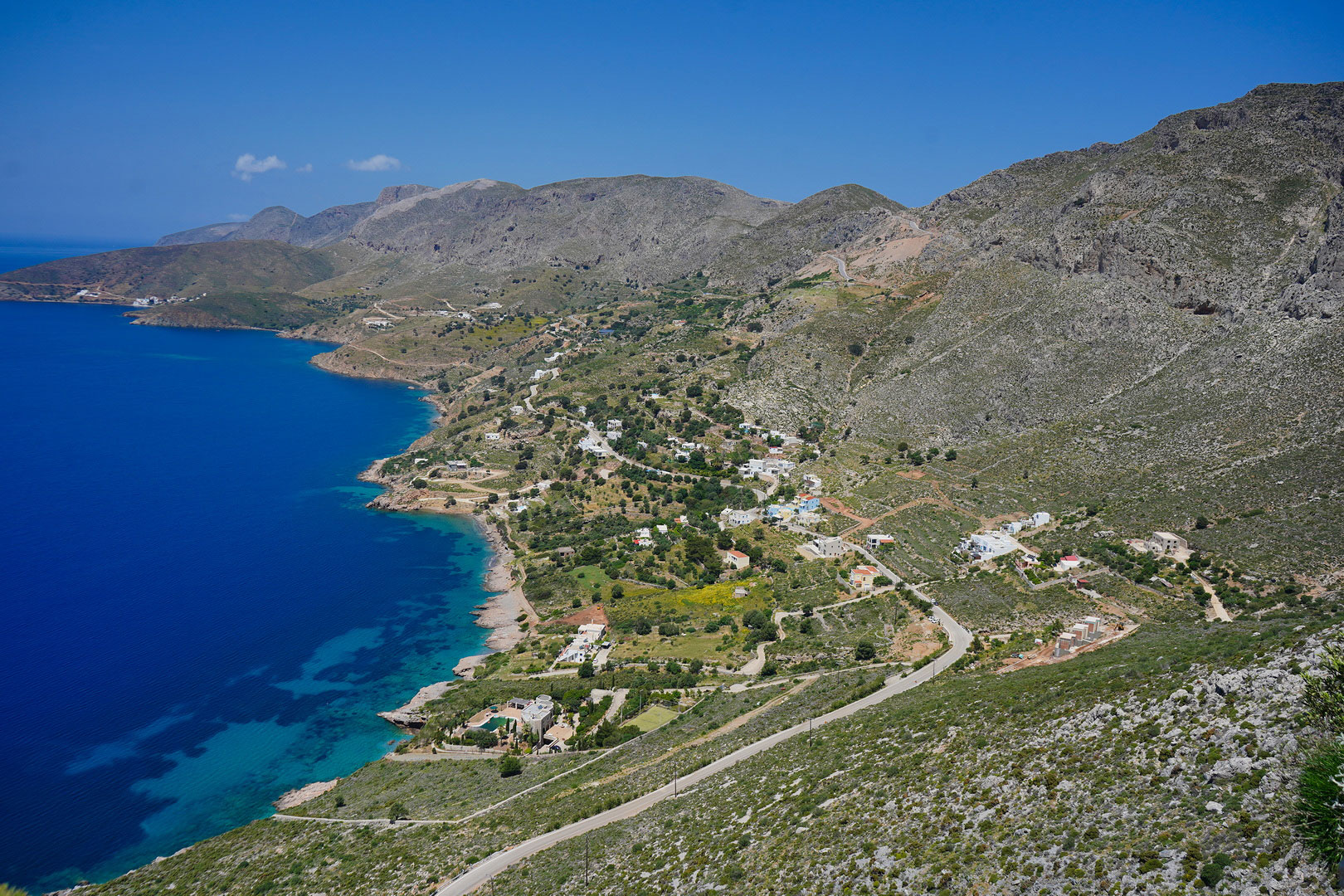
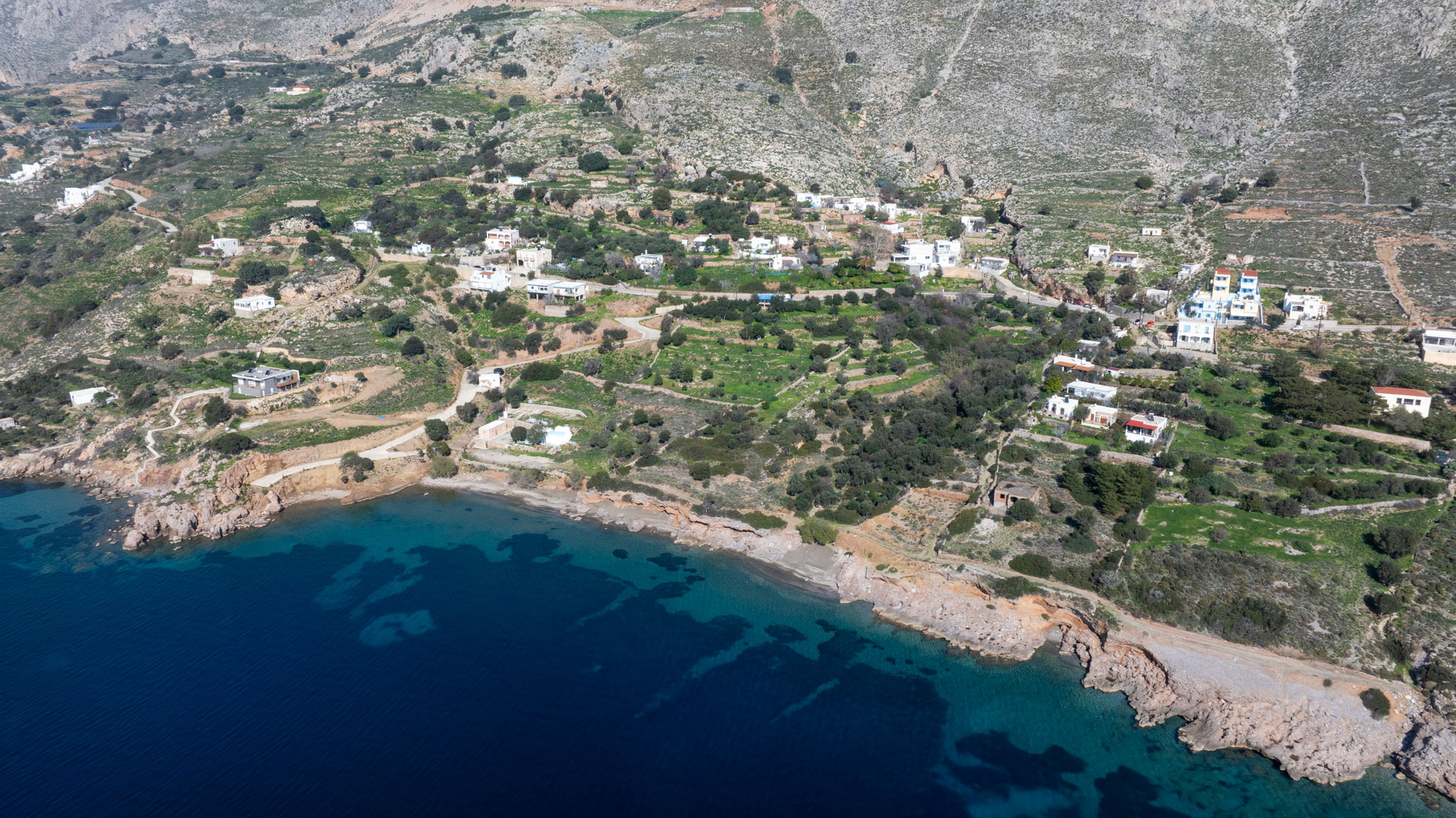
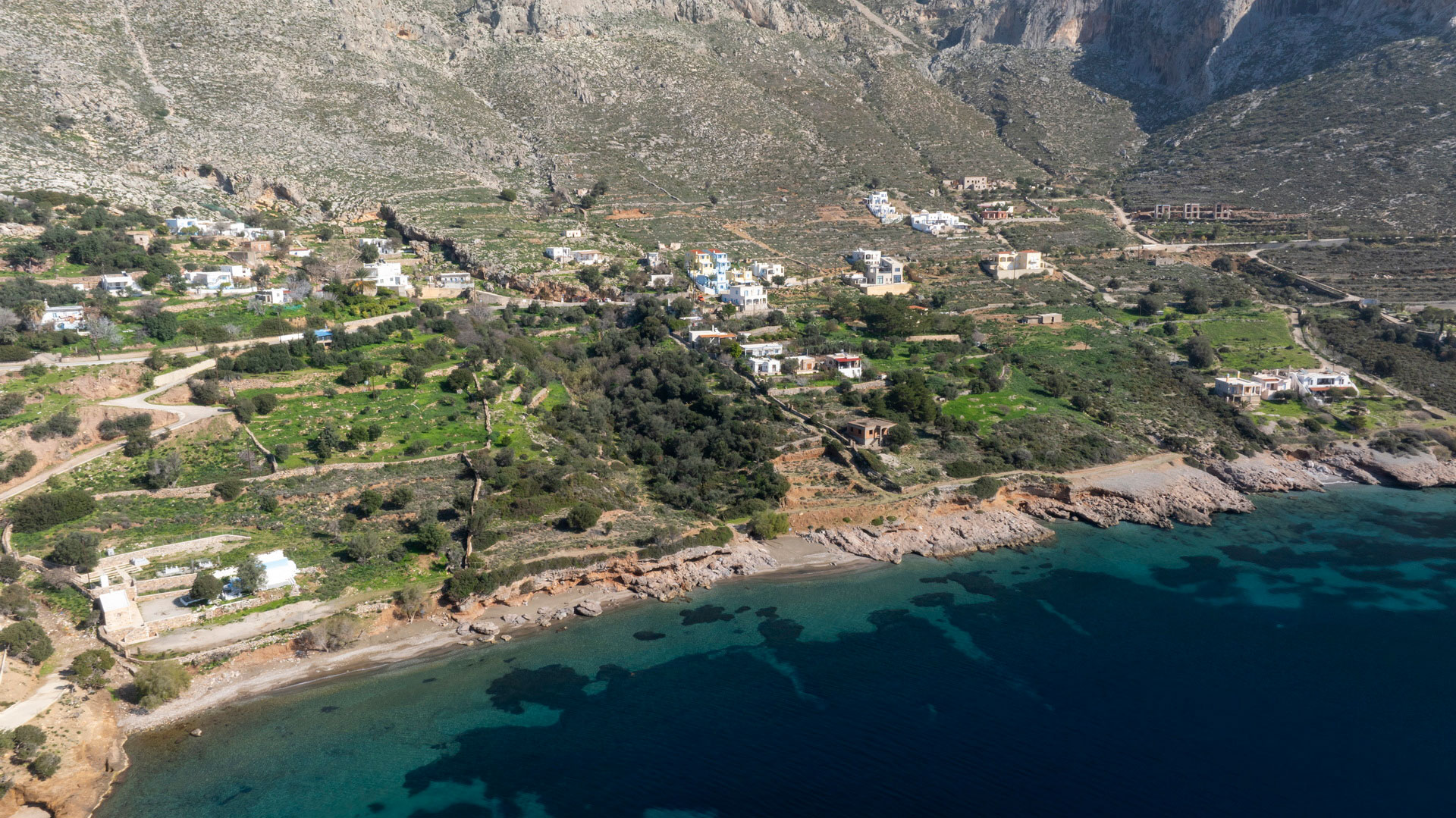
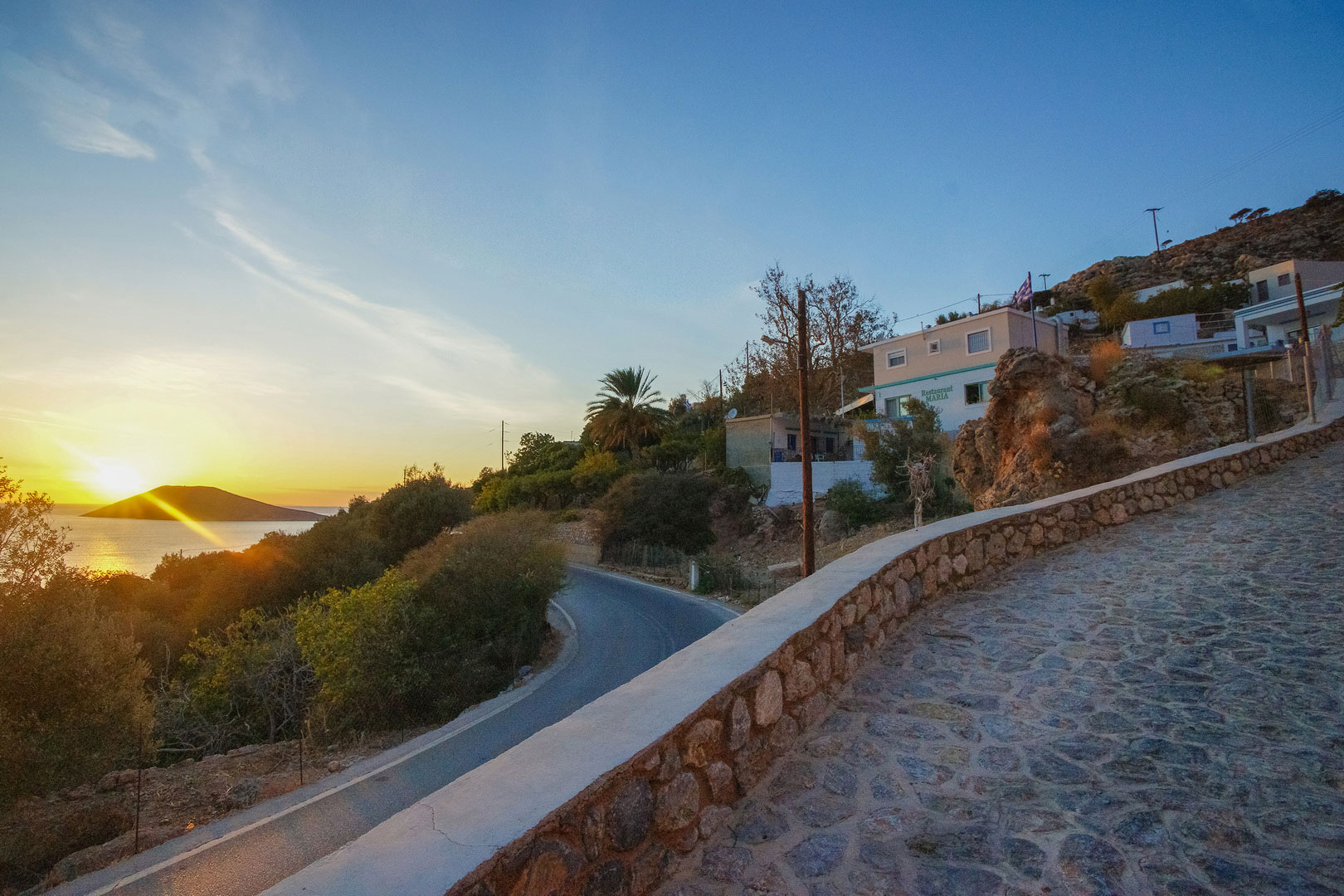
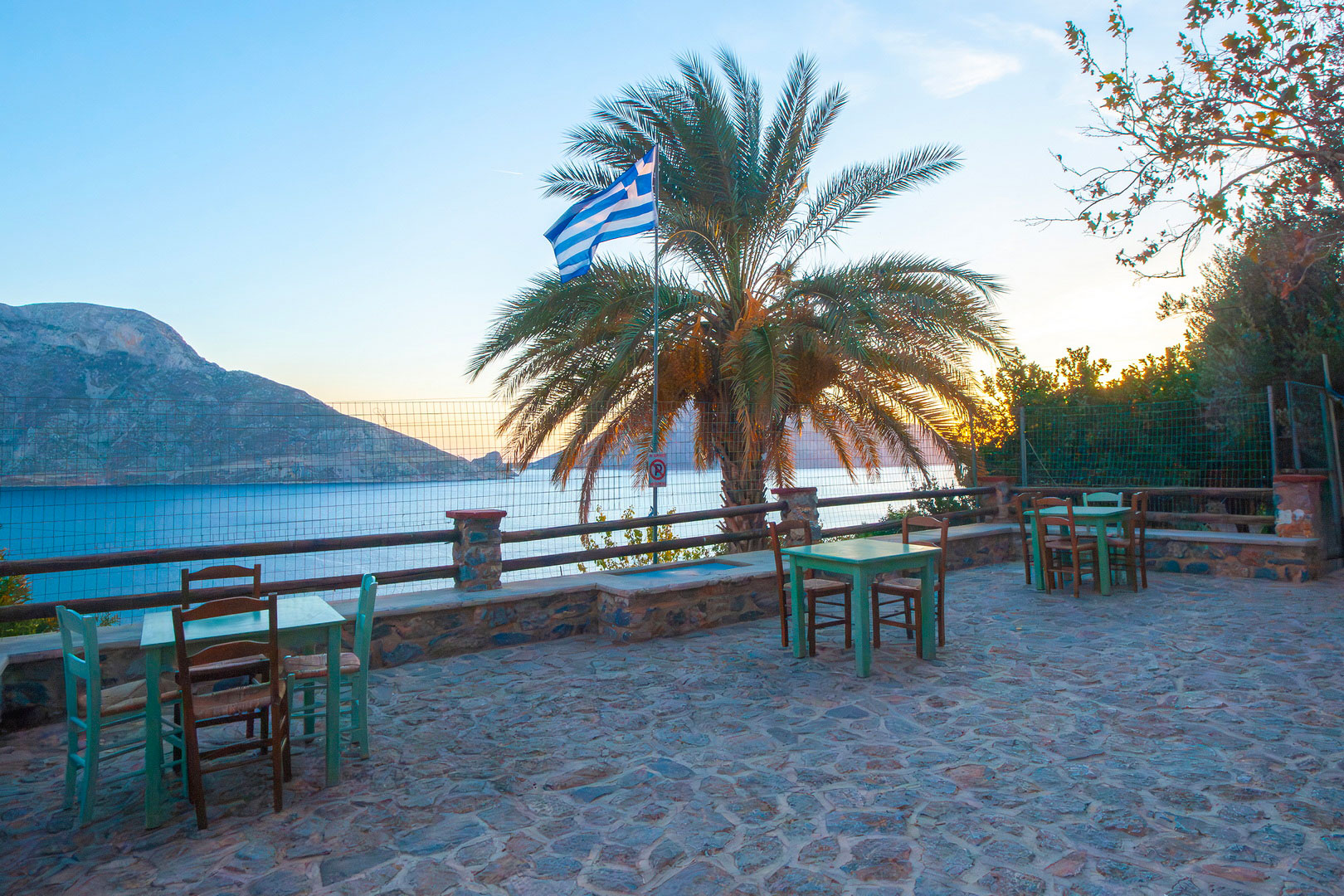
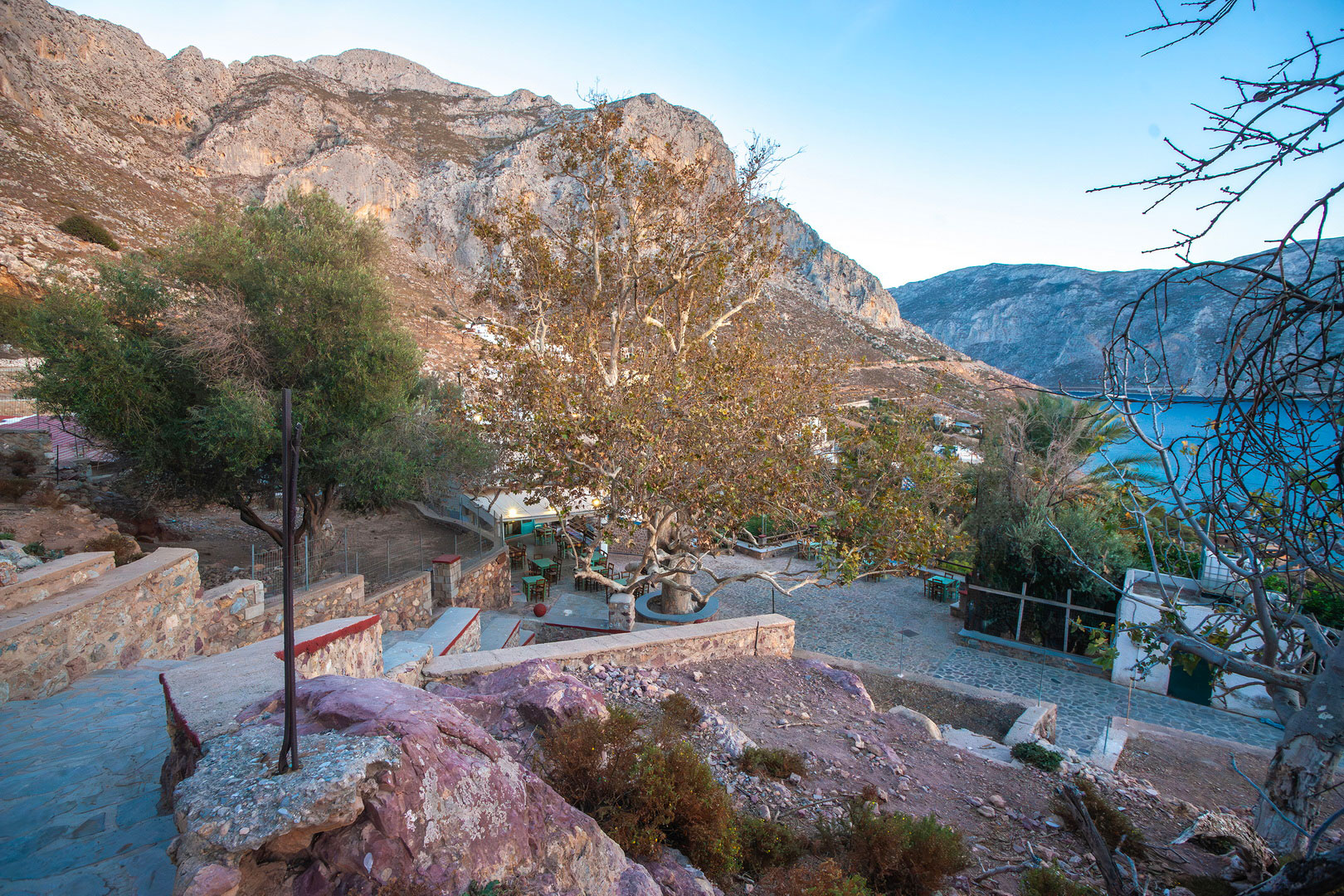
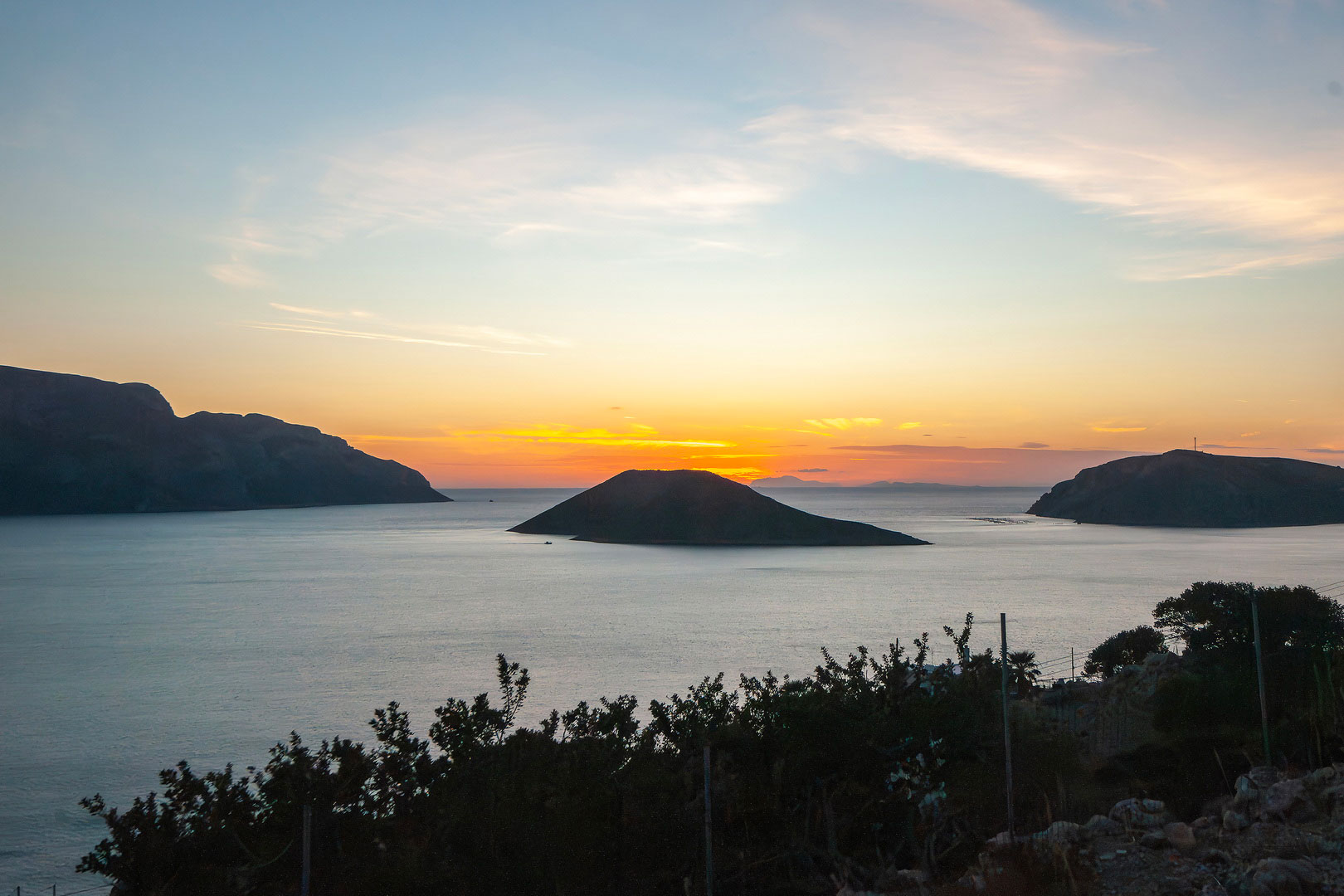
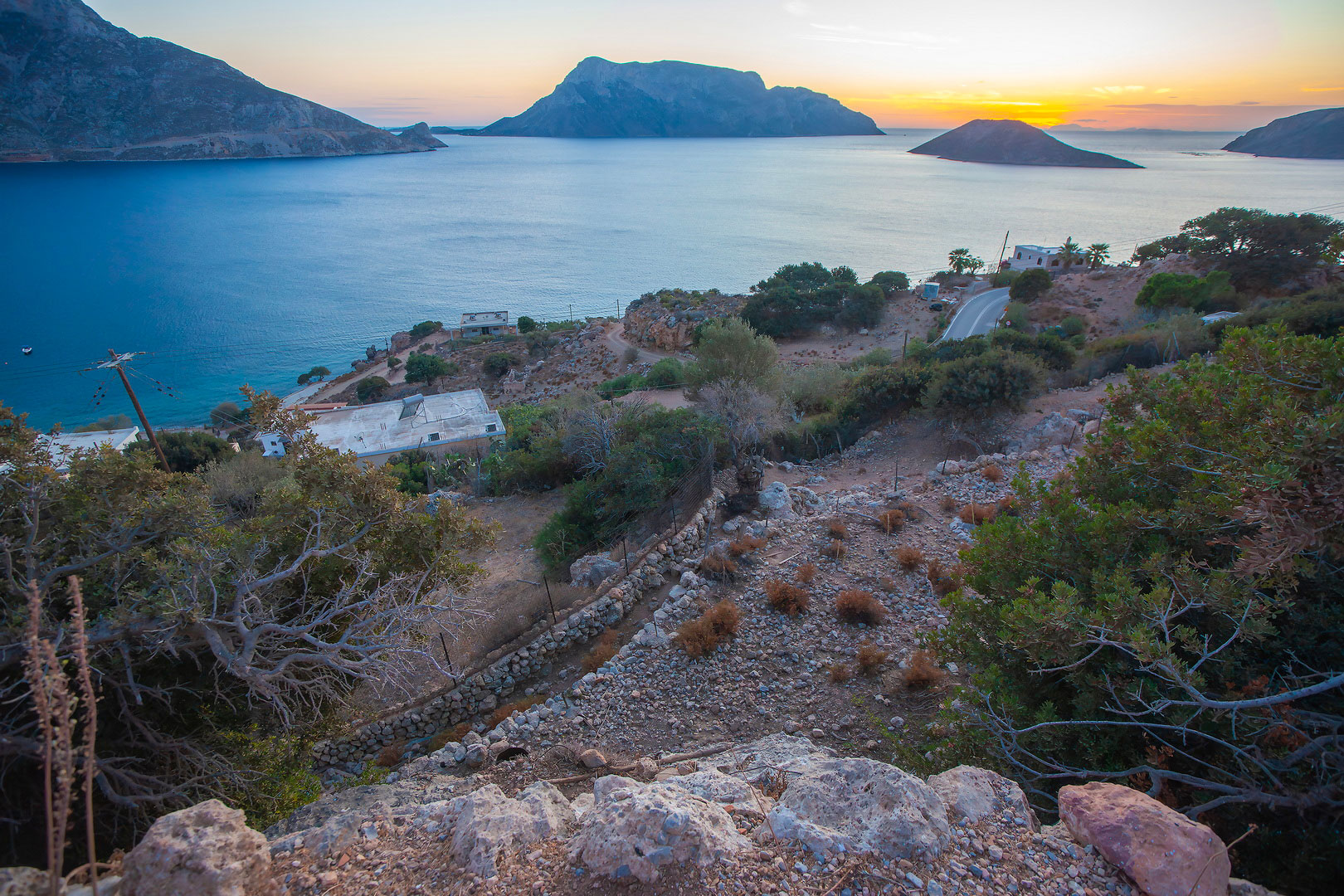
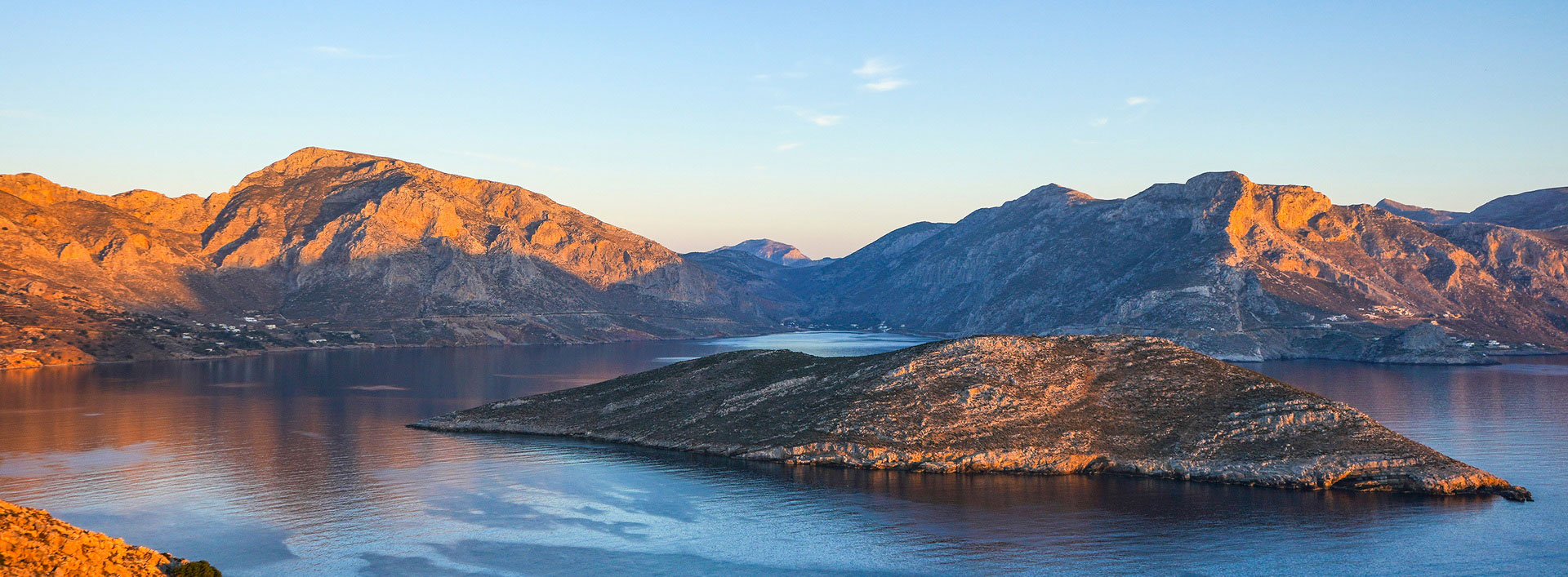
Skalia is a seaside settlement on the northwestern side of Kalymnos, built amphitheatrically on the slope of the mountain, offering stunning views of the island of Telendos and the small island of Kalavros. It is located about 18 kilometers from the port of Pothia. The settlement has a long history, continuously inhabited from prehistoric times to the present day, maintaining its ancient Greek name for over 2,500 years.
The wider area of Skalia has been inhabited since prehistoric times, specifically at the site called Aginaries. Aginaries is located on the steep southwestern slope of the Galatiani mountain range, directly above the Cave of Skalia. This is one of the oldest settlements on Kalymnos, dating back to the prehistoric and early historic periods.
The habitation of the area has continued uninterrupted through all historical eras up to the present day. During the Classical and Hellenistic periods, the region of Skalia was home to the Damos Skaliodan, one of the seven demoi of ancient Kalymnos, as the island was then known. This demos may have covered a larger area, including the nearby settlements of Arginonta, Emporios, Toichoi, and Palionisos. Archaeological evidence, such as settlement remains, tombs, and parts of stone olive presses, suggests a significant population lived in the area.
The “Damos Skaliodan” is known to us from two decrees-inscriptions from the 3rd century BCE, which were dedicated at the Sanctuary of Delian Apollo and were later transferred in 1853 by Charles Newton to the British Museum in London, where they remain today.
In the first decree, Menestheus, son of Apollonios, from Myndos in Caria, is granted Kalymnian citizenship and enrolled in the “Damos Skaliodan” as a reward for the assistance he offered to Kalymnians passing through his city. In the second decree, a man from Cyrene in Africa is similarly granted Kalymnian citizenship and enrolled in the “Damos Skaliodan”, as recognition for the help he offered “at all times” to Kalymnians who arrived shipwrecked in his distant homeland.
Skalia is also listed among the ancient ports in the catalog of Arthur de Graauw, who sourced his information from a 2nd-century CE work titled “Stadiasmus or Periplus of the Great Sea.”
The village’s history continues into the Early Christian period. Structural remains show that the settlement extended from its current location down to the sea. In the 6th century CE, a large Early Christian church dedicated to Saint Nicholas was built on the beach of the village, in the architectural type of the basilica. Its impressive ruins are still preserved today.
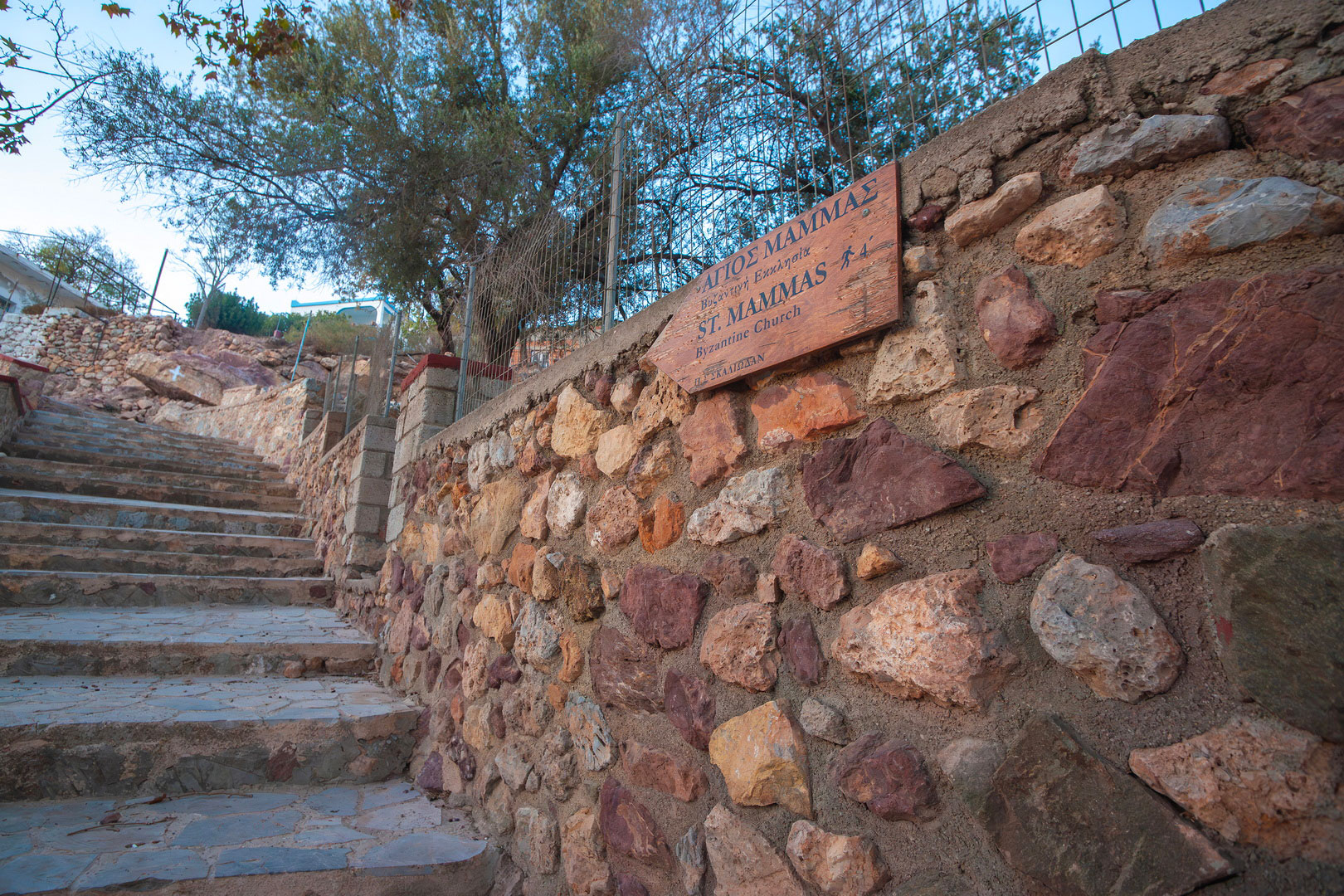
In the 7th century CE, the fortified settlement of Galatiani was established at the top of the mountain range of the same name, between Skalia and Arginonta. There you will also find the chapel of Panagia Galatiani. Another Byzantine church in the village, Saint Mamas, is built on an ancient quadrilateral structure and occupies a commanding position above the old path that once connected Skalia with Emporios.
The area is also described as a good harbor for large ships by Piri Reis in his cartographic work dating to 1525–26 CE. The site he refers to is today known as Karavostasi.
From the 18th century onward, Skalia had a relatively large population, as evidenced by the many ruined houses still visible today. The residents were engaged in livestock farming, agriculture, and sponge diving, producing excellent cheese, high-quality wine, fragrant honey, olive oil, and olives. As early as the early 19th century, the village had a tavern-café with a wine press, where passing travelers could rest.
In 1945, following the end of World War II, the Kalymnos Council of Elders established a primary school in Skalia, where children from all the surrounding villages received their first education. The school remained in operation until the early 1990s.
From the mid-20th century to the present, the village’s population has gradually declined due to migration. As a result, many people originally from Skalia now live in other parts of Kalymnos, on Leros, Kos, Rhodes, and abroad, in France, the United States, Campbell, Ohio, and Australia.
Due to its geographical position, the village of Skalia served for centuries as the crossroads of the region, connecting the settlements of Arginonta, Palionisos, Sykati, Toichoi, and Emporios. It also linked the entire region of northern Kalymnos with the coasts of Asia Minor via Palionisos, playing an important role in the broader area.
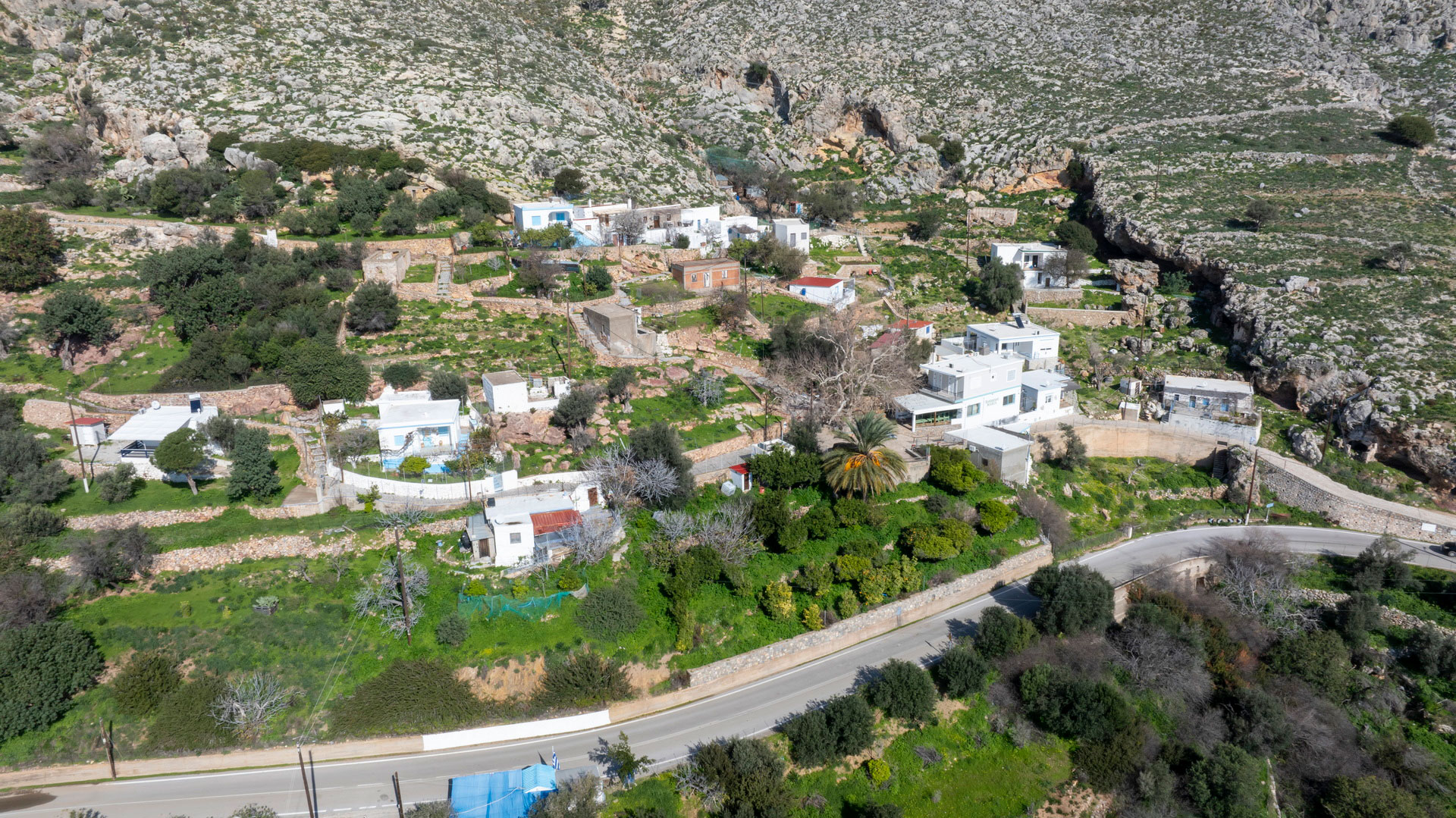
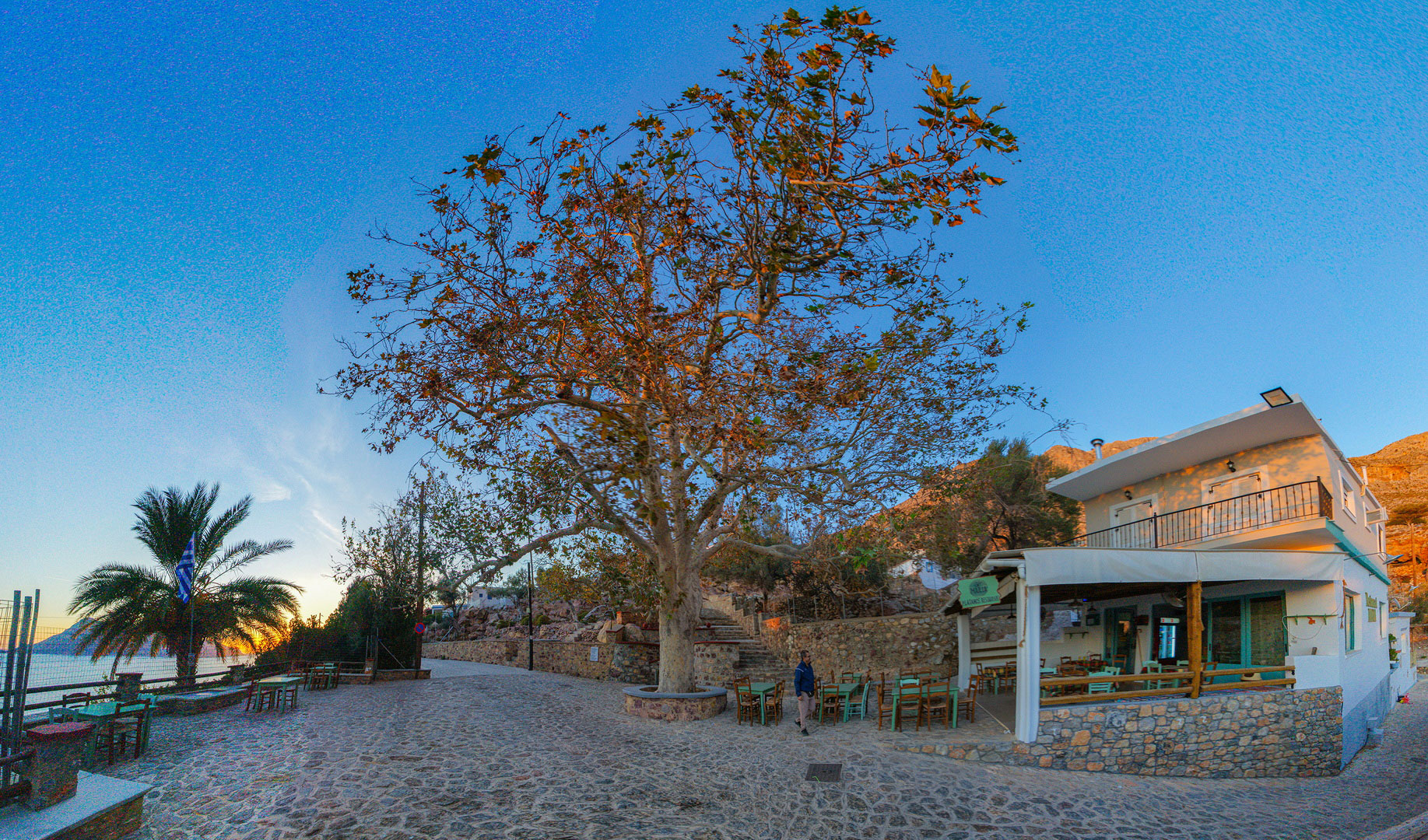
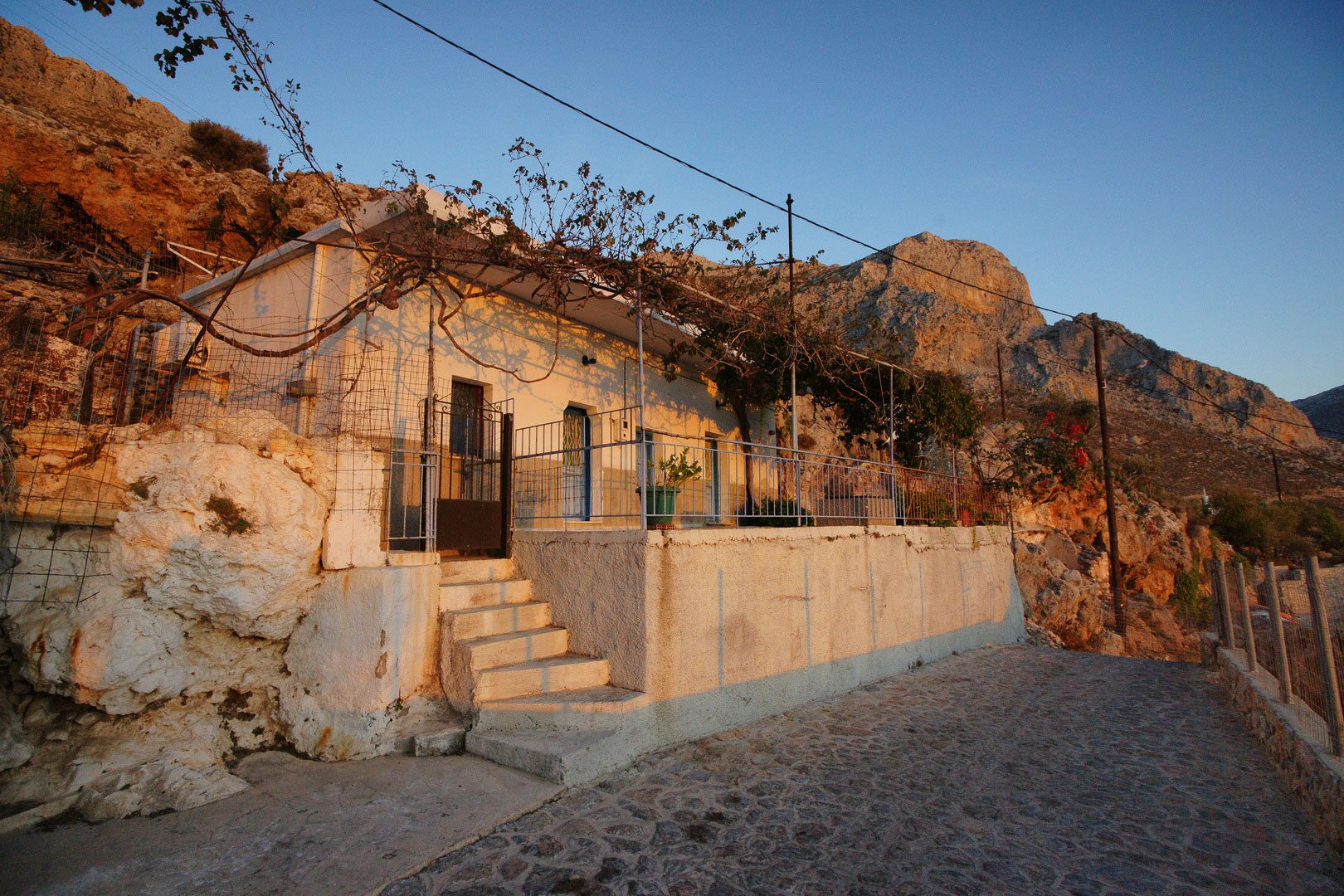
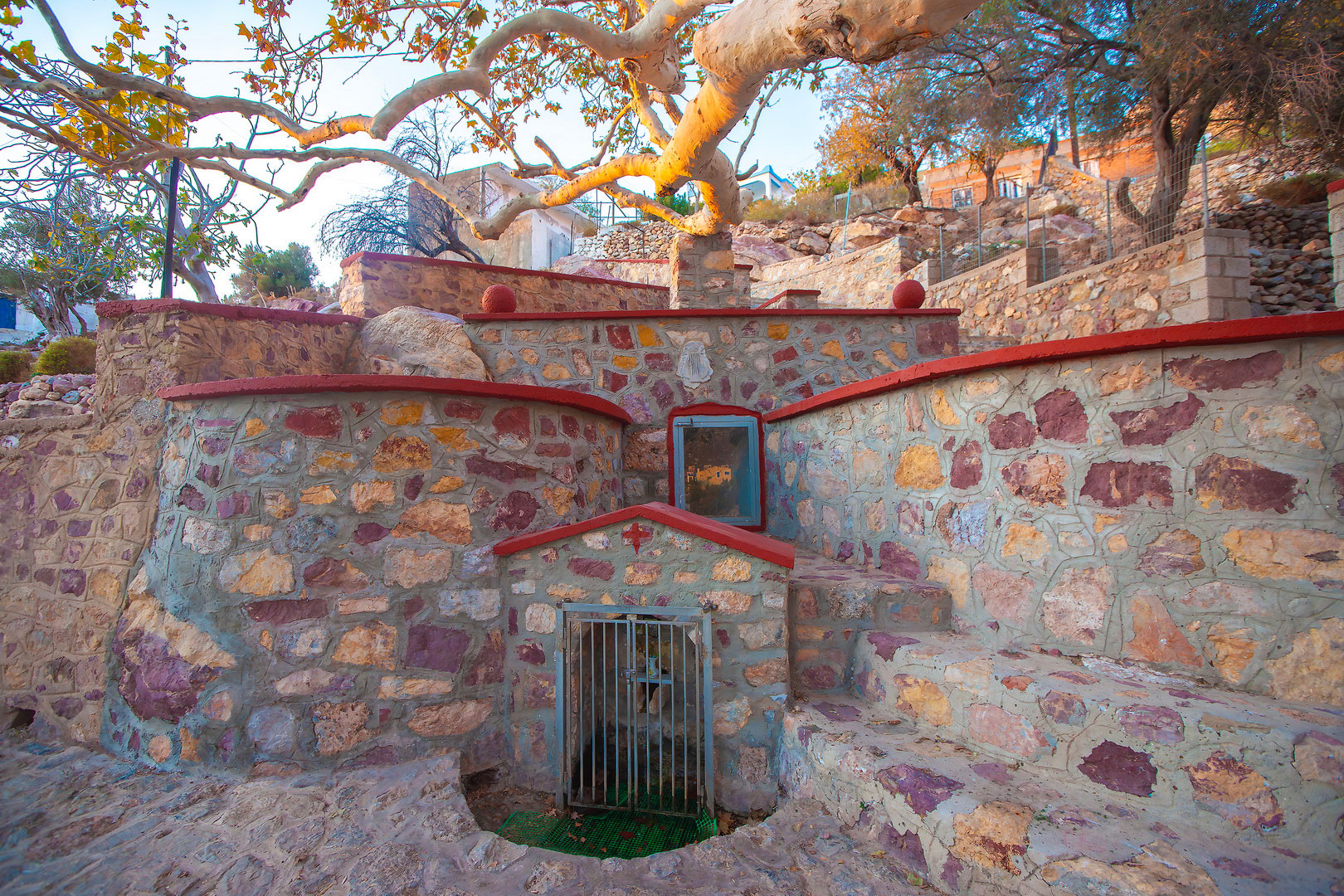
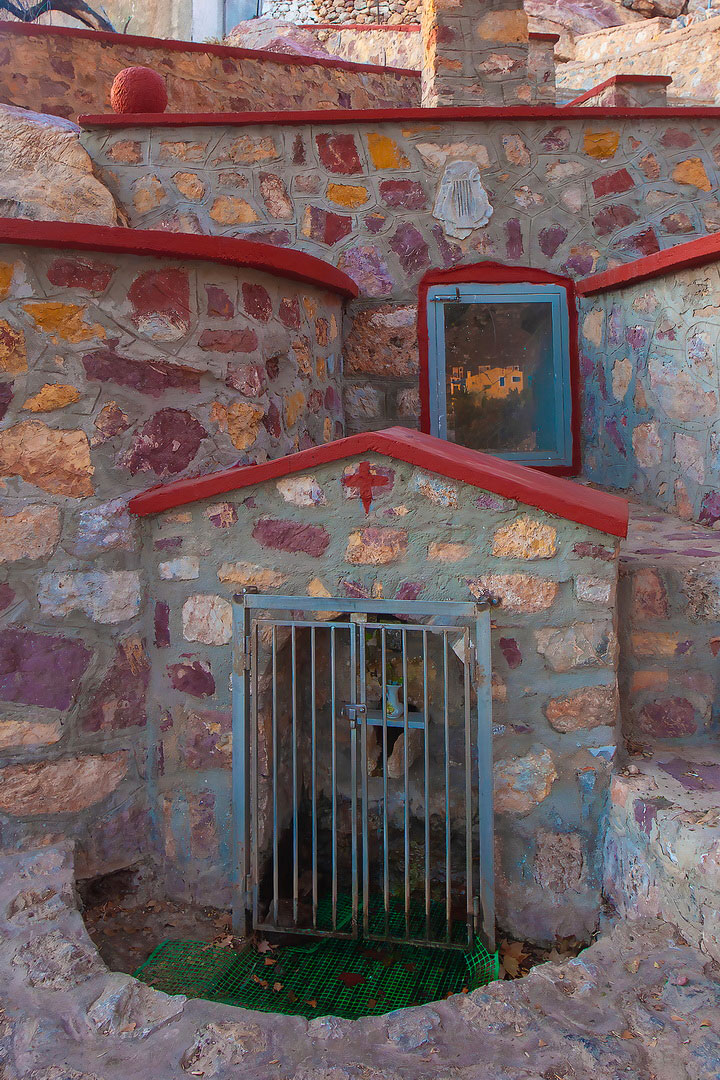
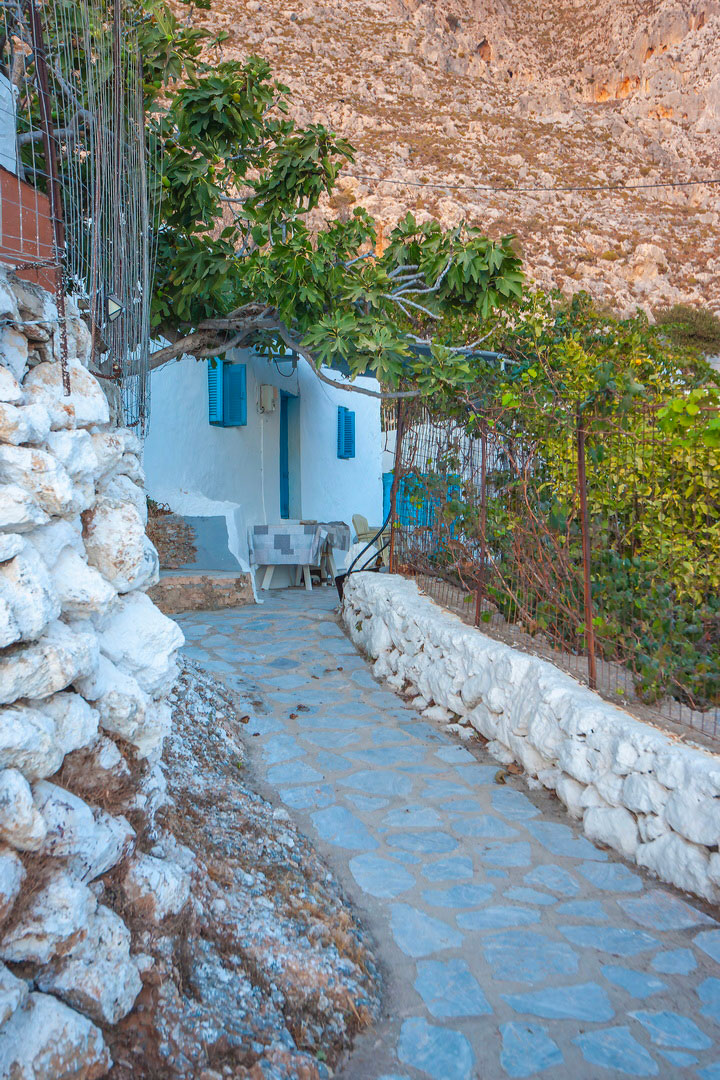
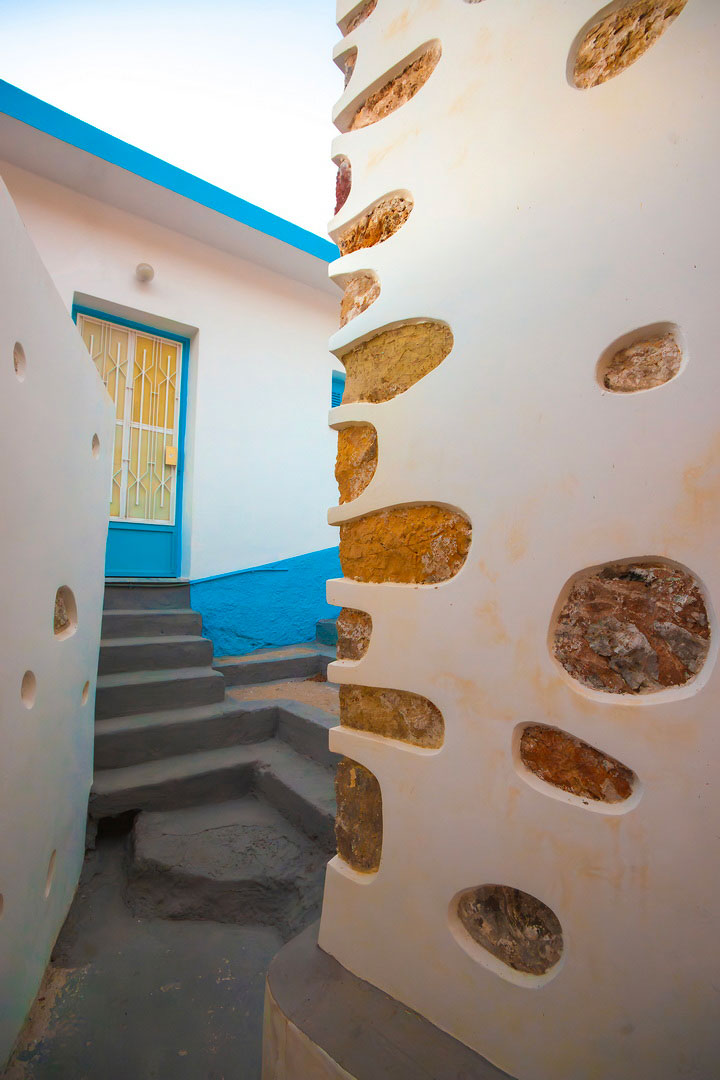
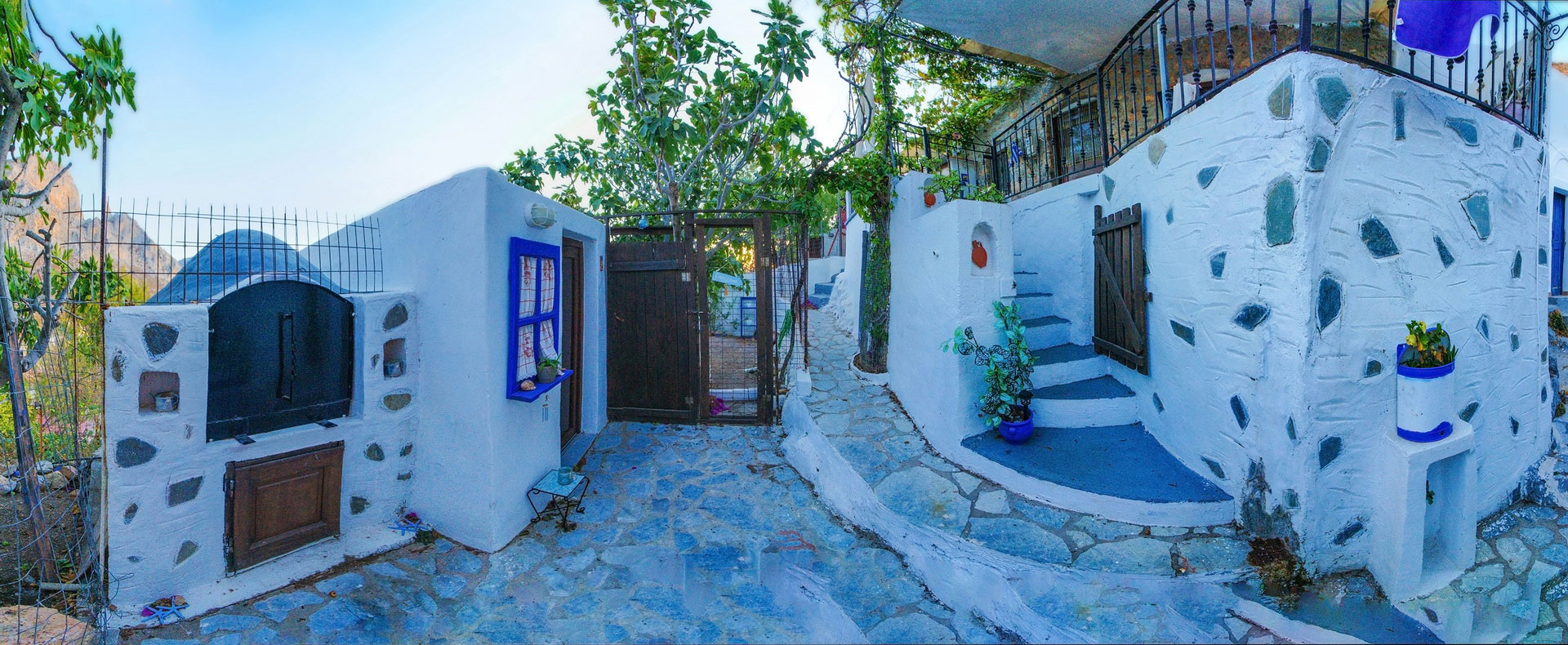
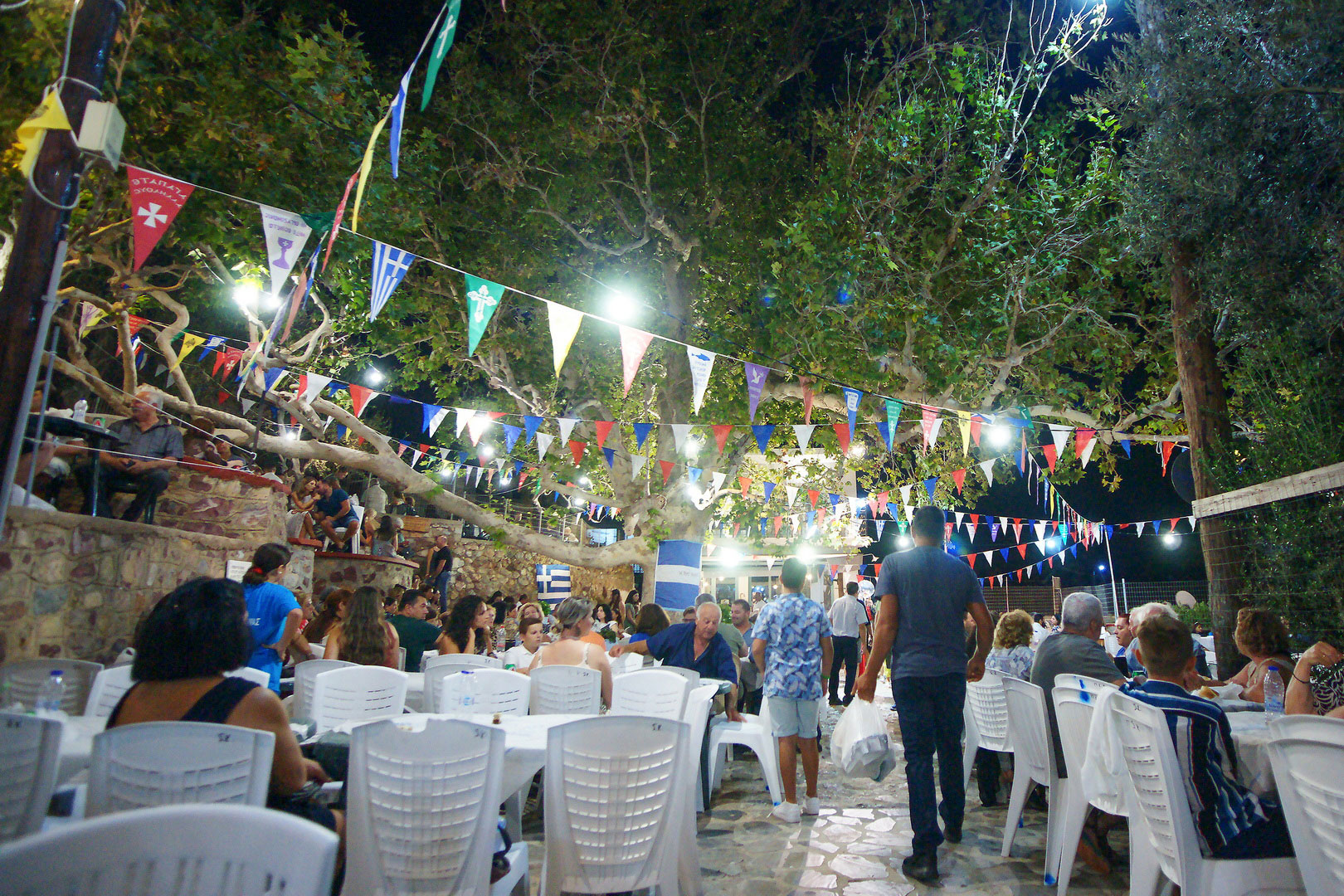
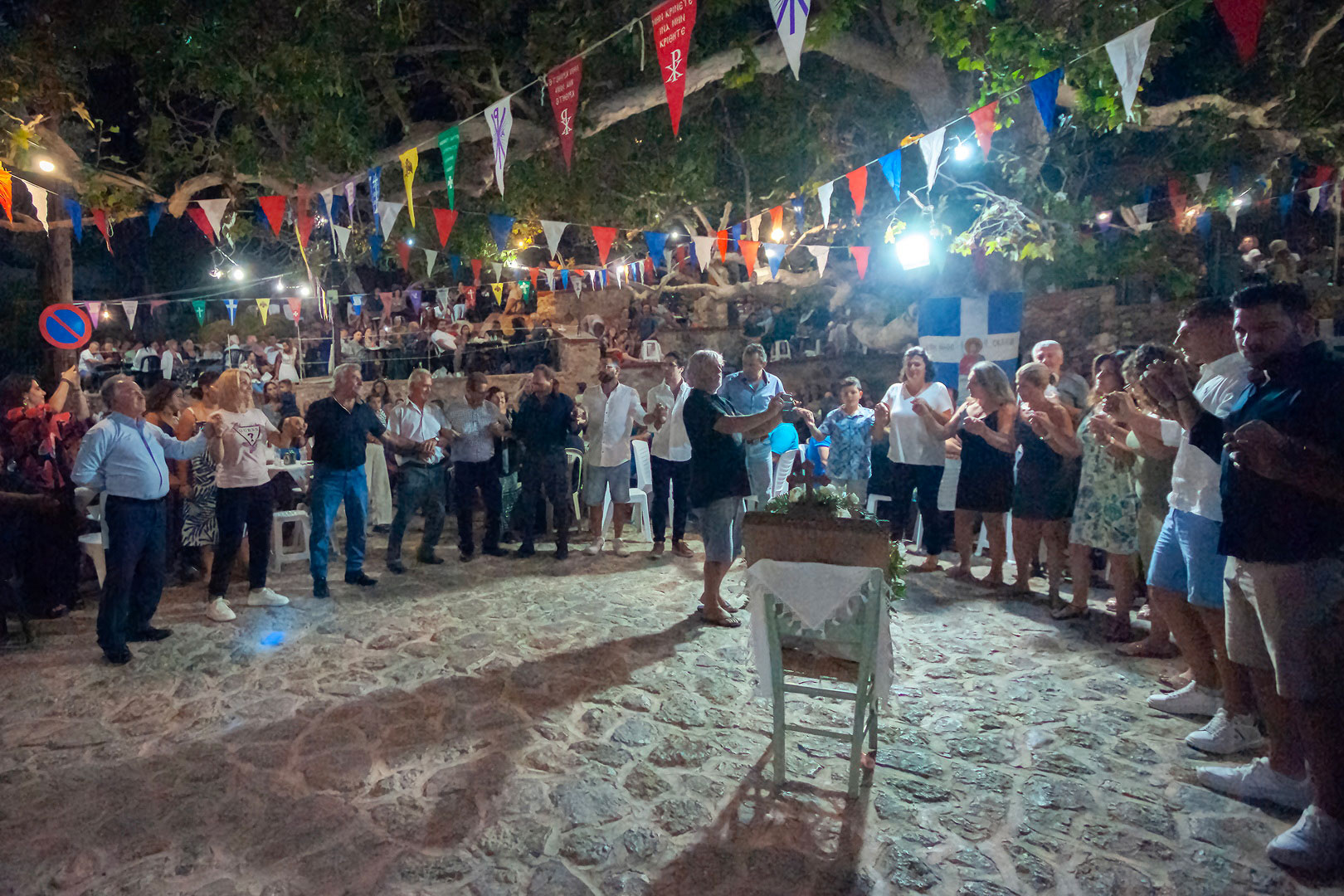
Today, Skalia is a small settlement that has preserved its traditional character and natural beauty. At the center of the village, there is a paved square with a natural spring of running water, dominated by a giant, centuries-old plane tree.
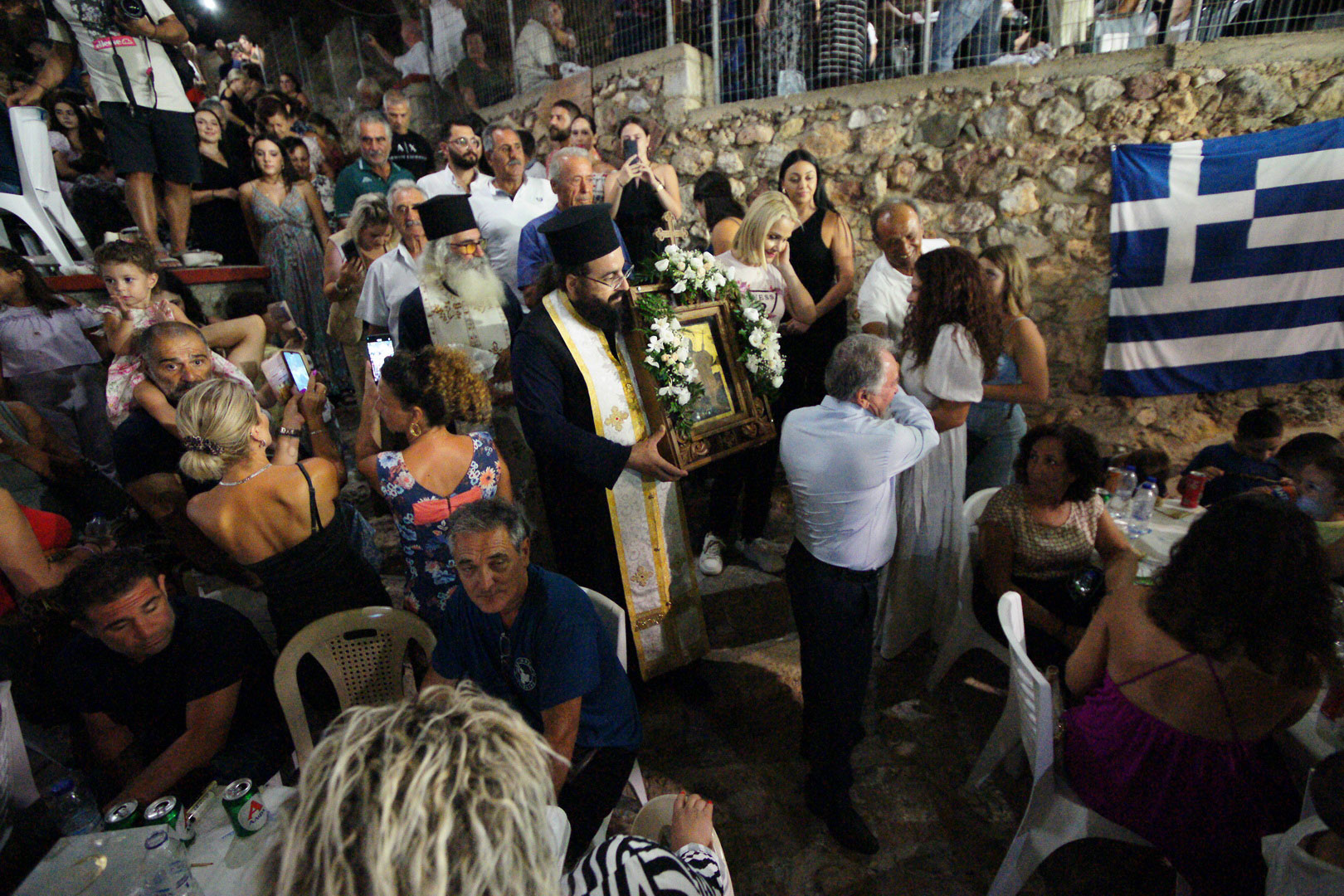
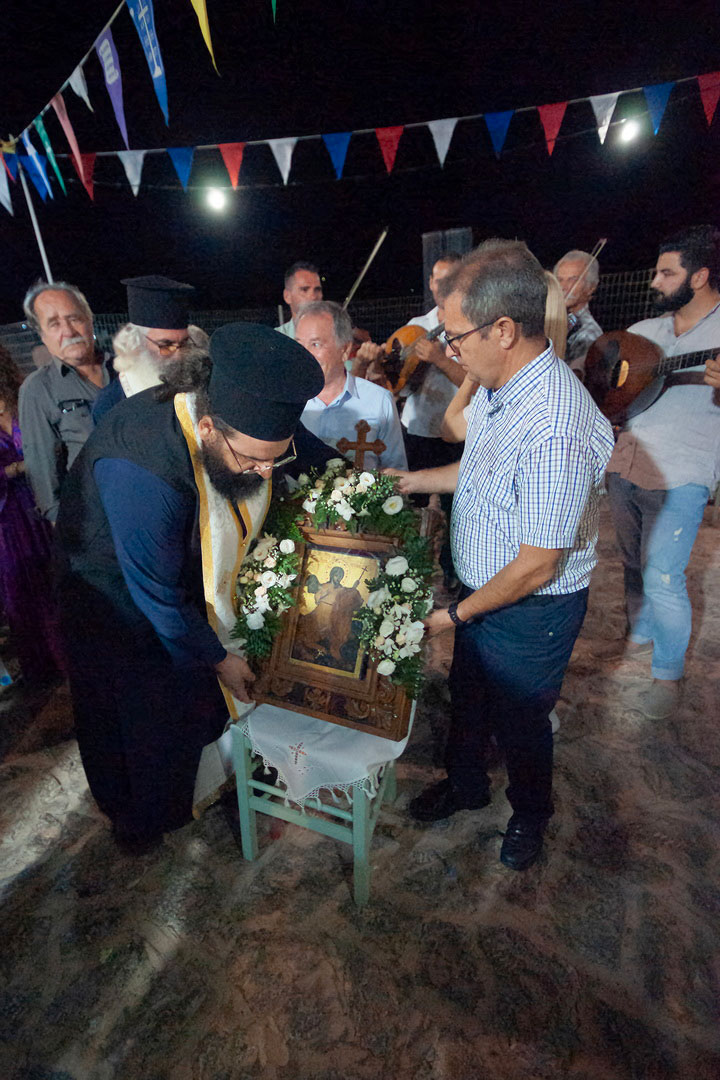
Every year, on September 1st, during the feast of Saint Mamas, a large authentic traditional festival is held in the village square, organized by the local Association. Both locals and visitors celebrate until the early hours of the morning.
The Skalia area is also known for its impressive cave, one of the most beautiful on the island, rich in stalactites and stalagmites.
In recent years, mild tourism infrastructure has developed in the village, meeting the needs of visitors who wish to relax and enjoy their holidays in a quiet traditional settlement that offers internationally recognized climbing routes, archaeological sites, hiking trails, and beautiful beaches with crystal-clear waters.