



Ancient fortress “Kastri”
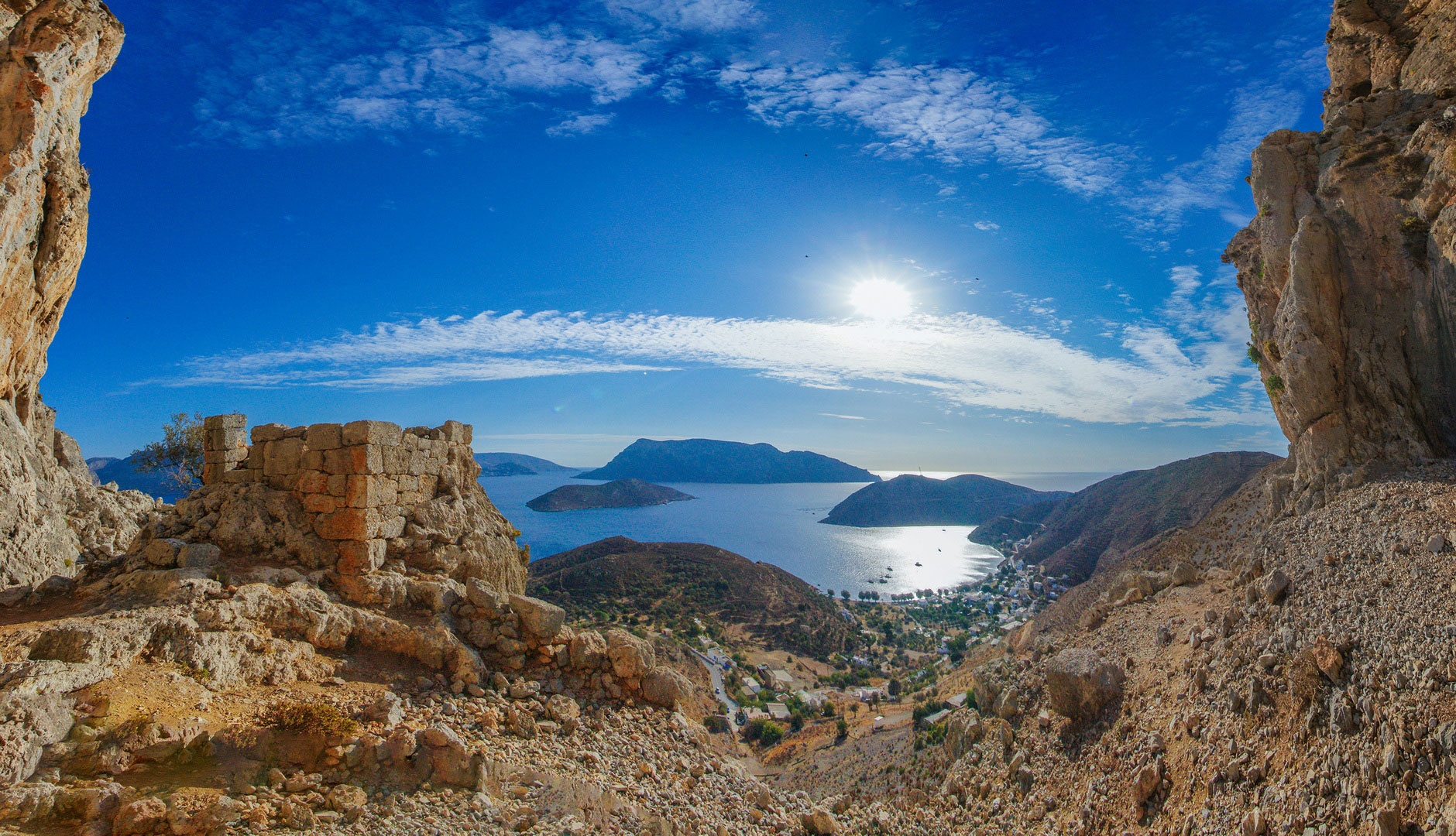
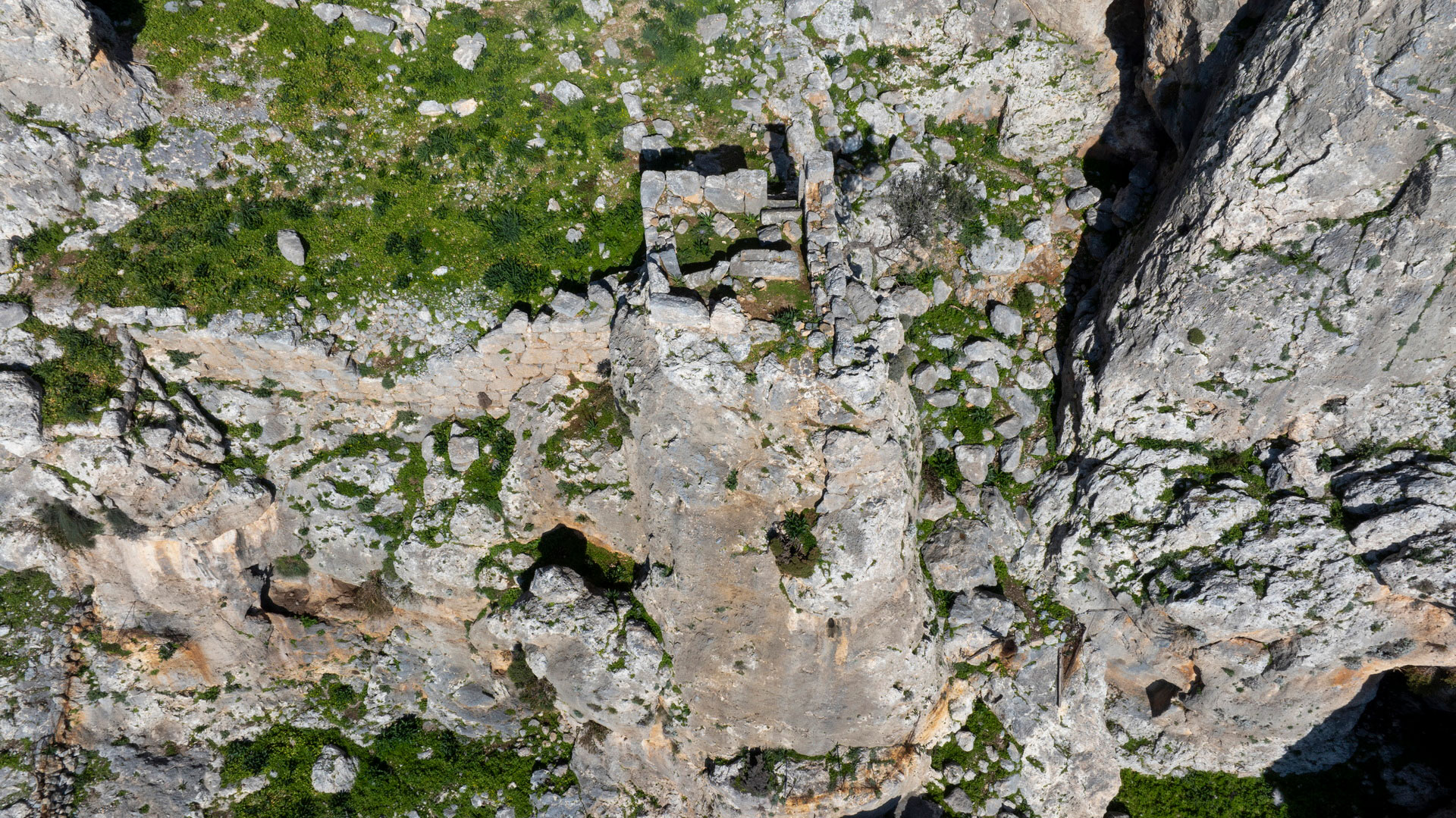
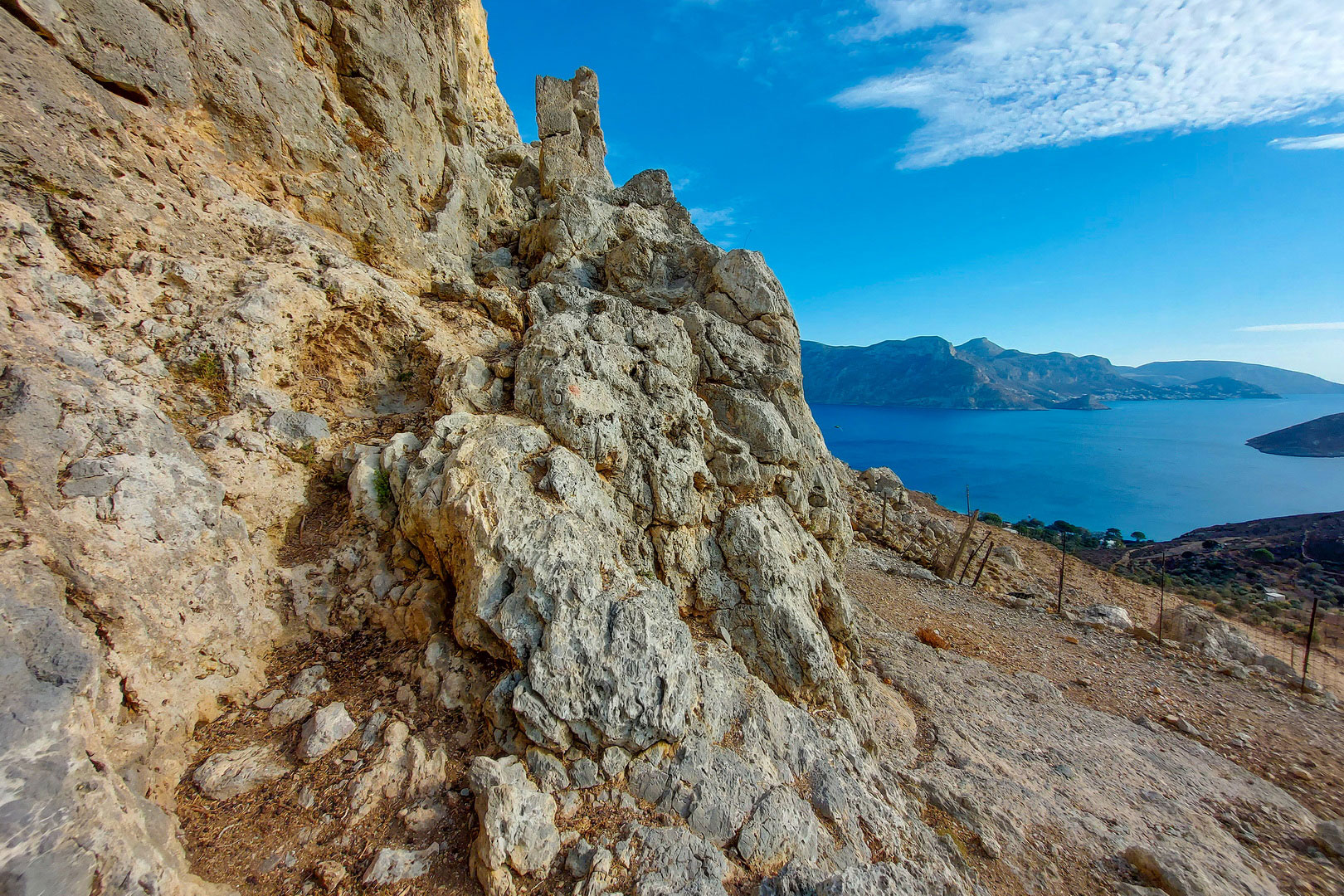
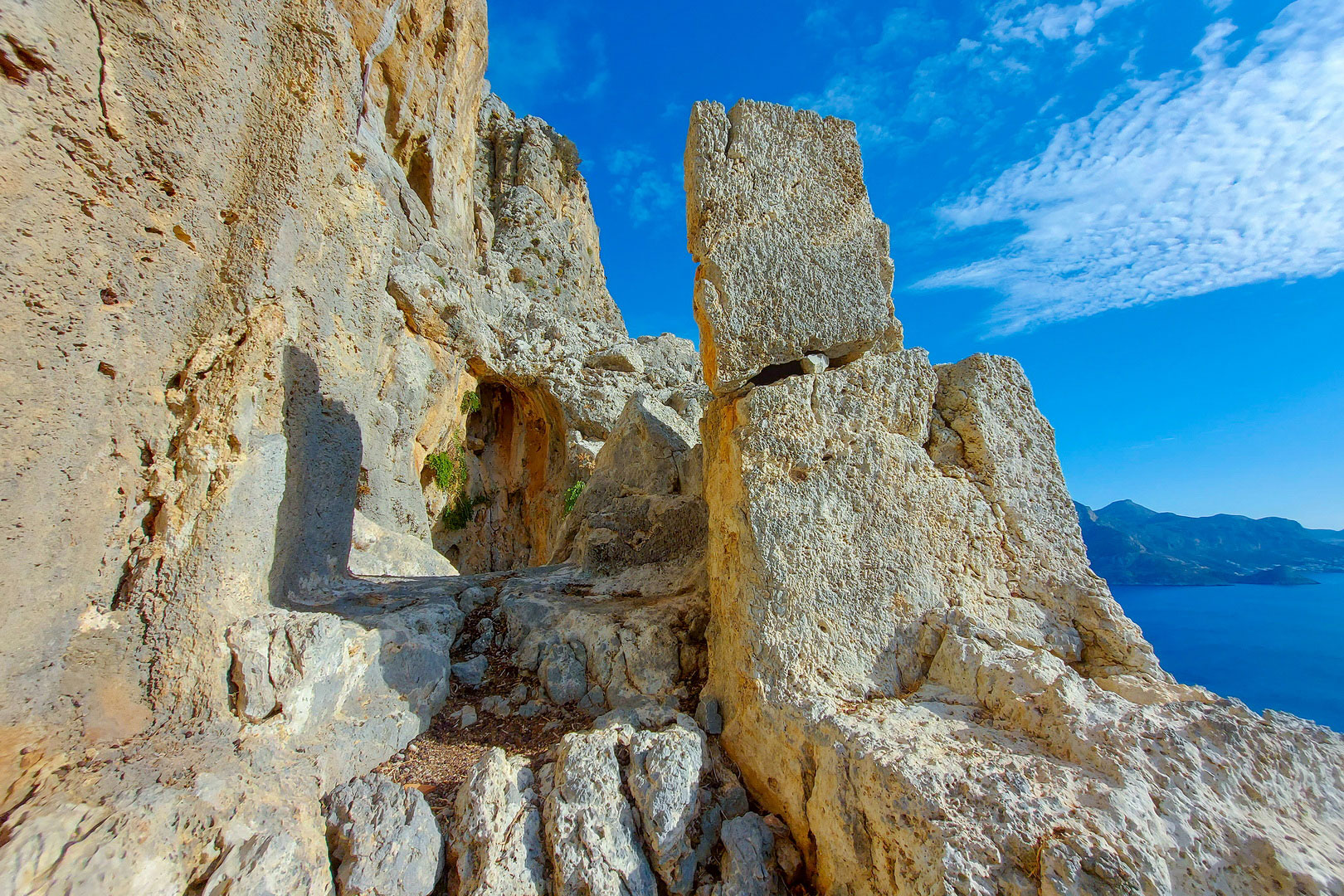
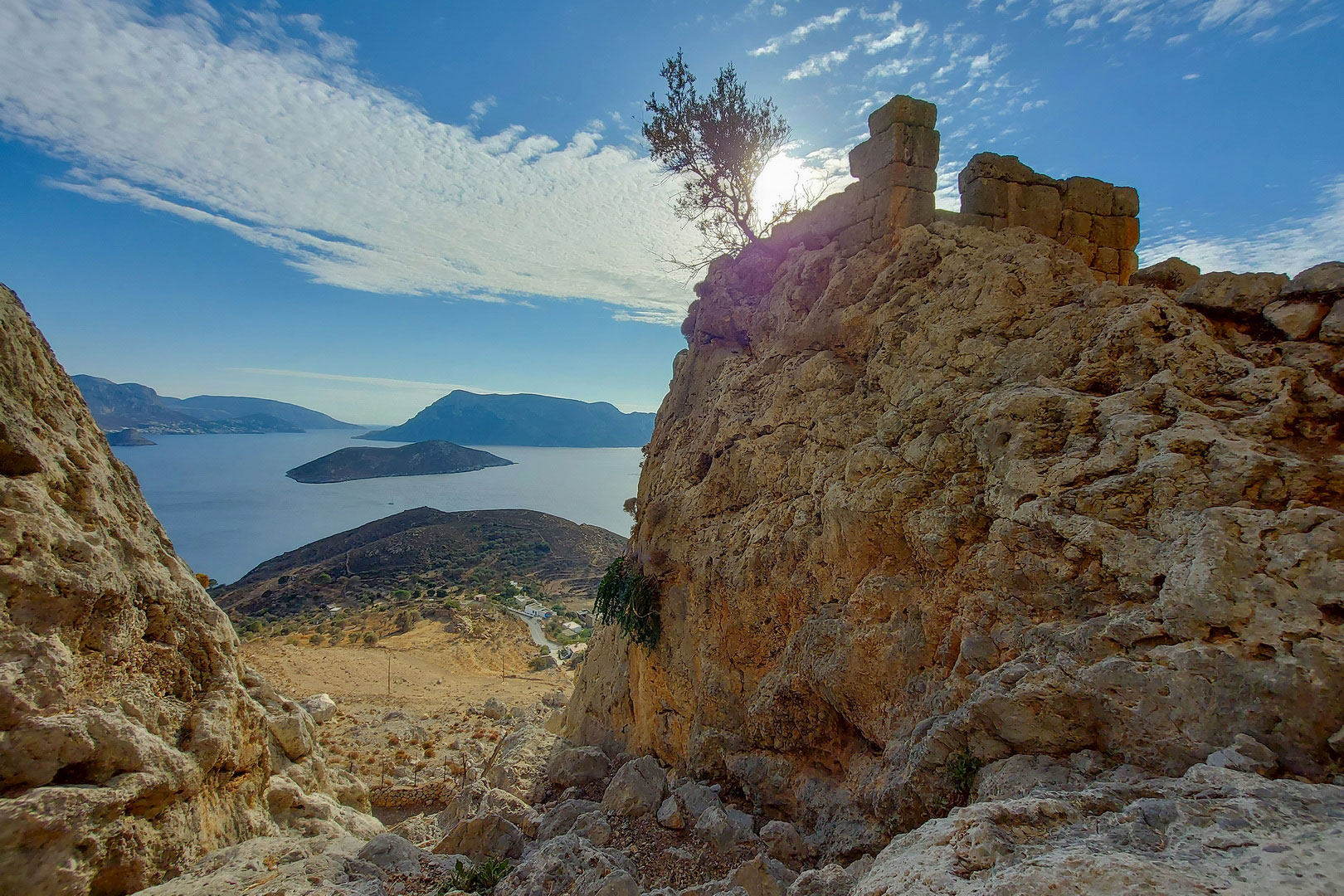
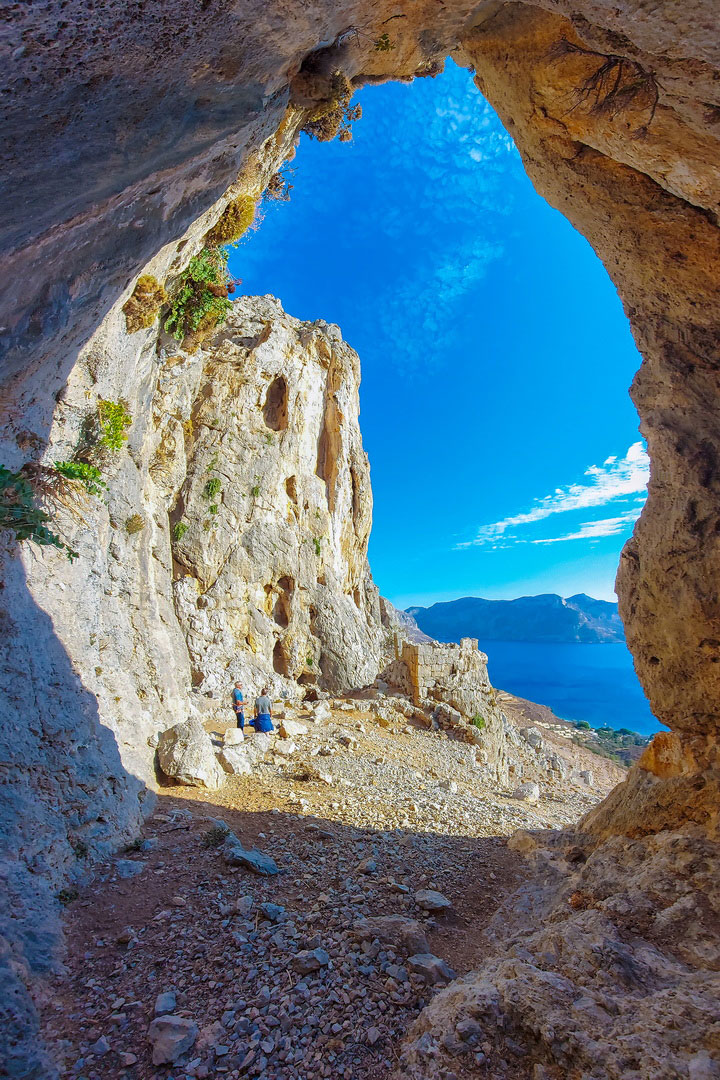
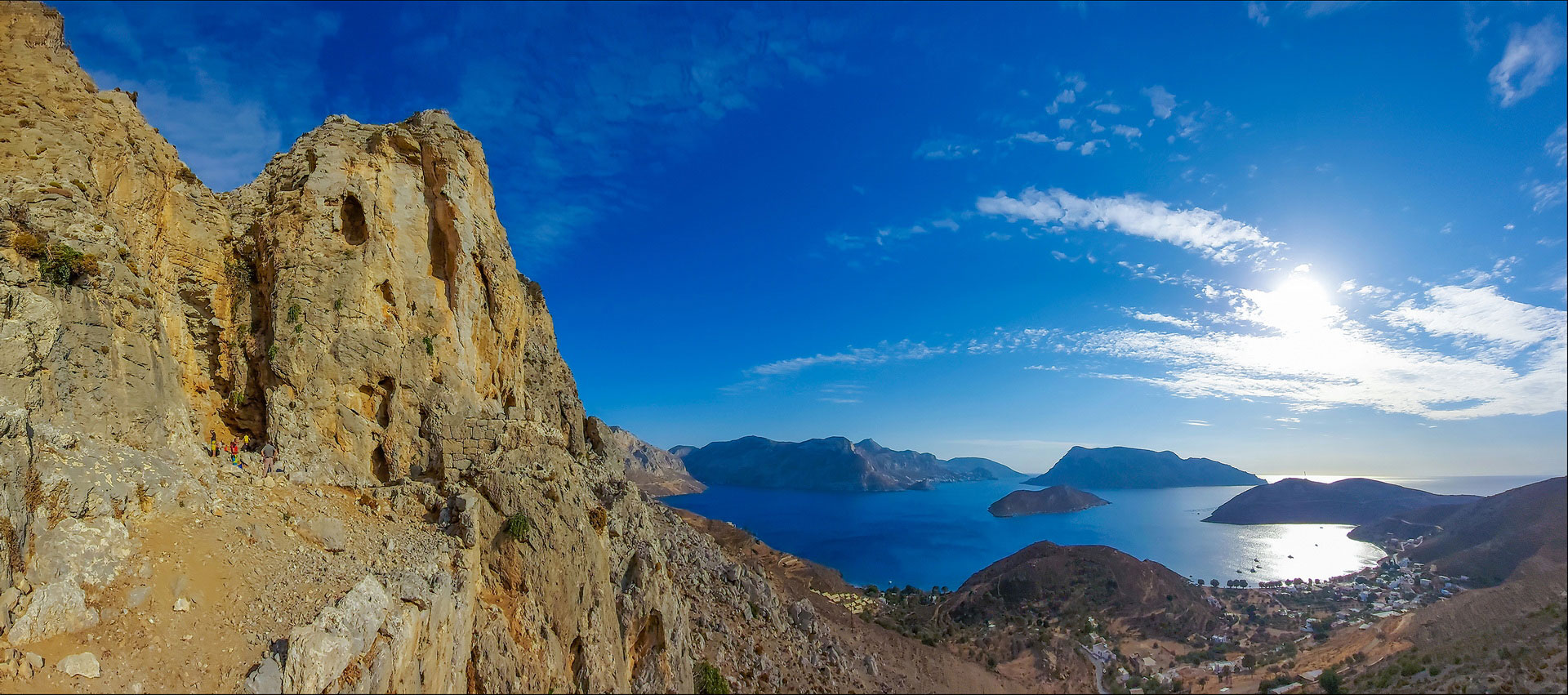
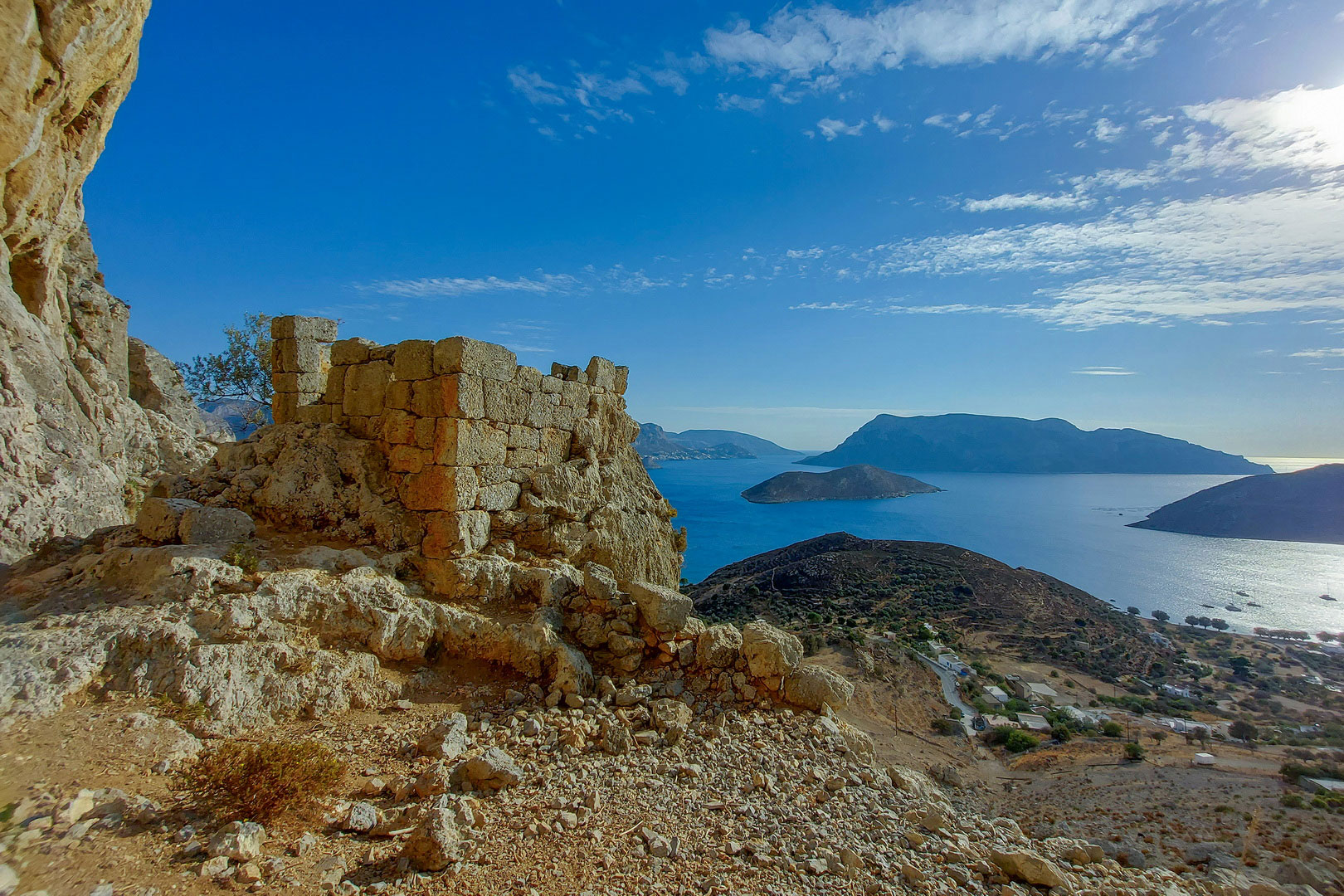
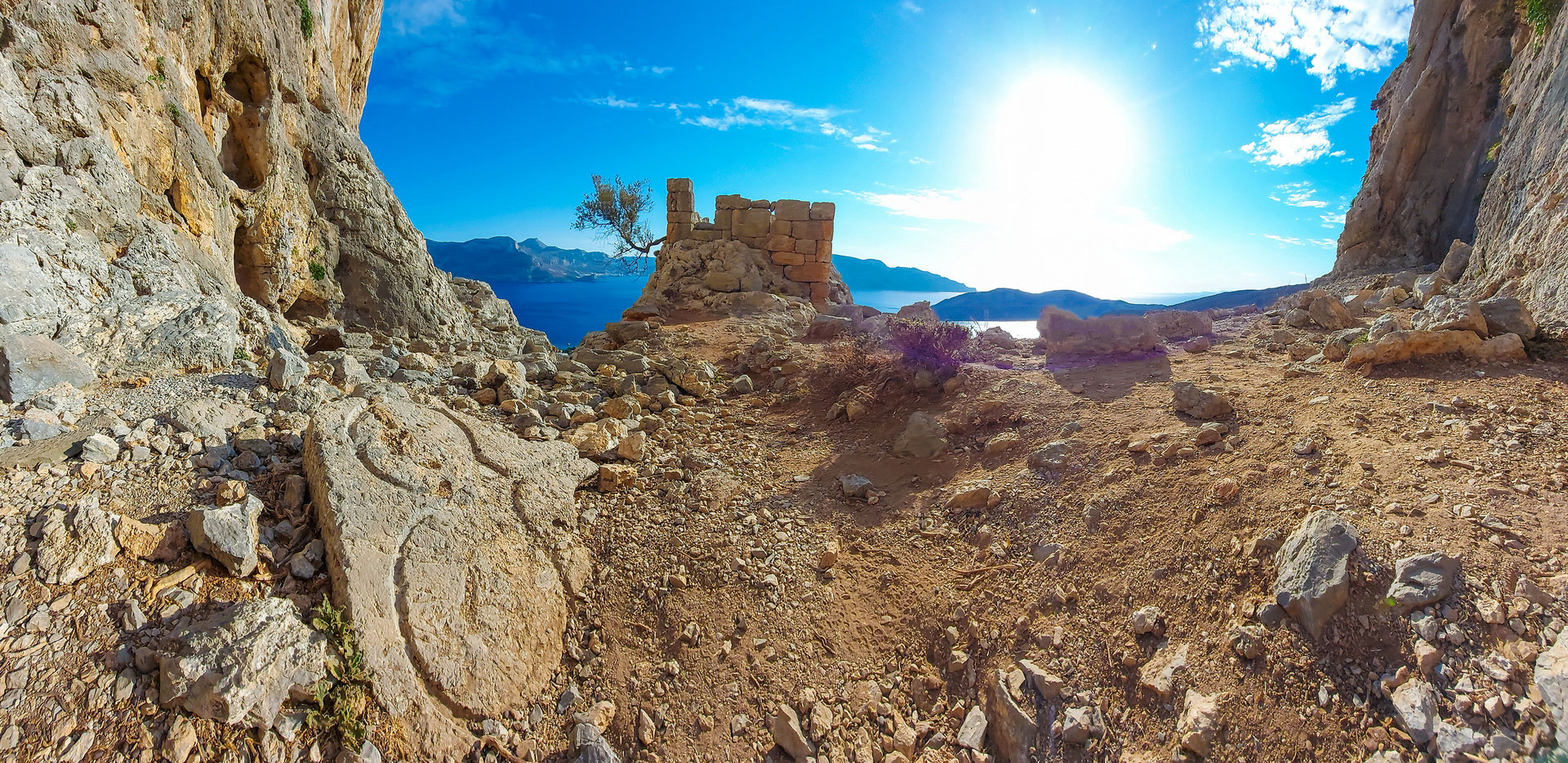
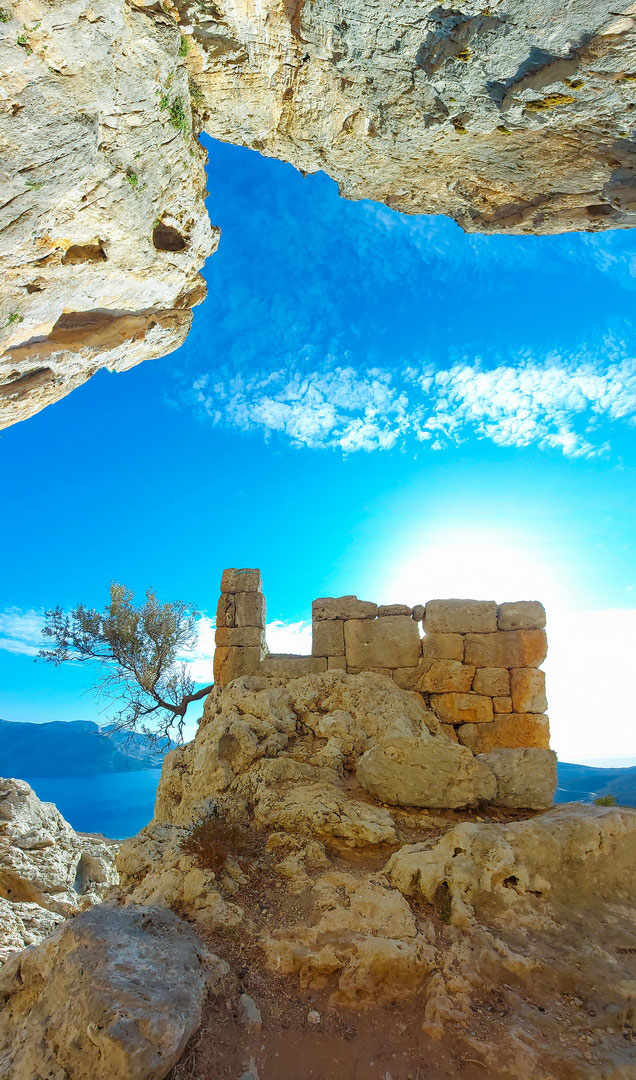
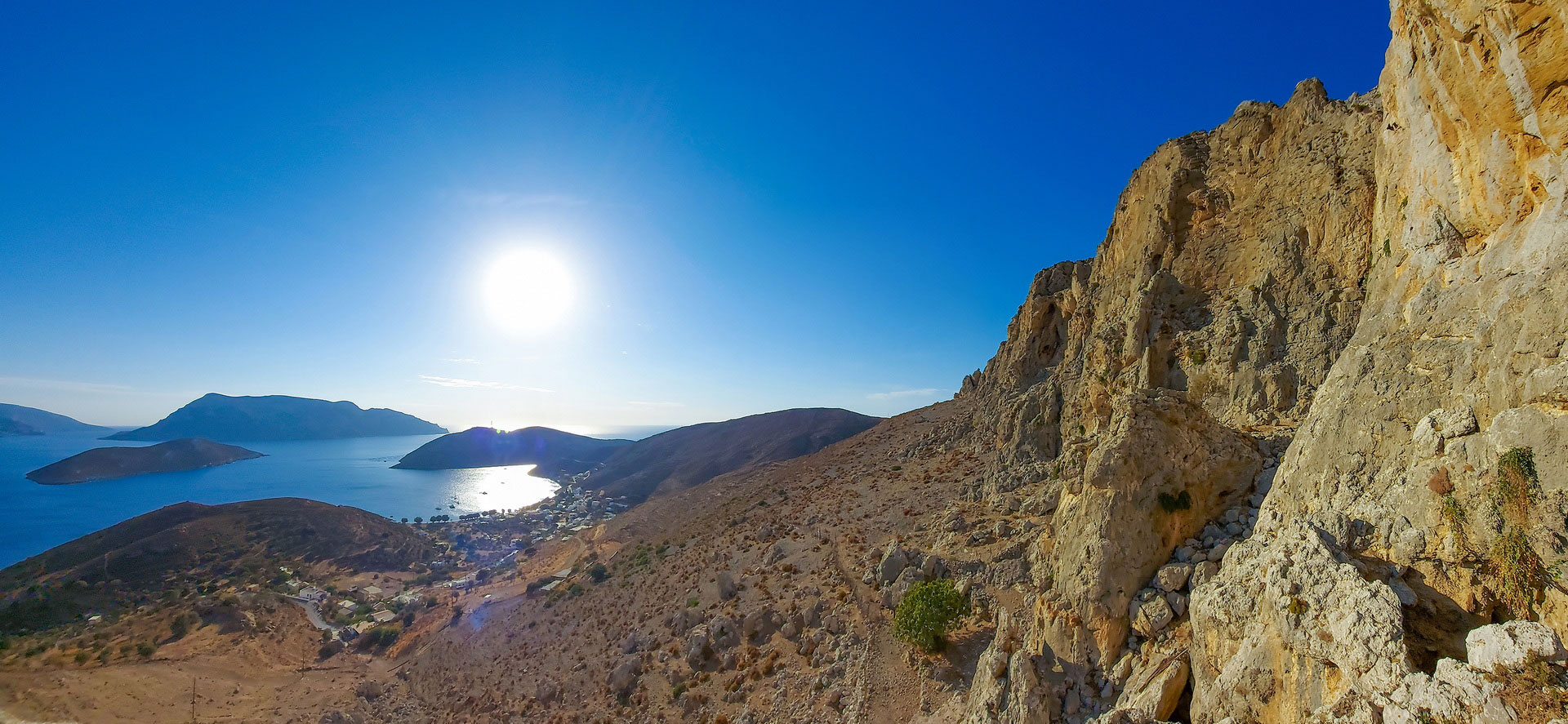
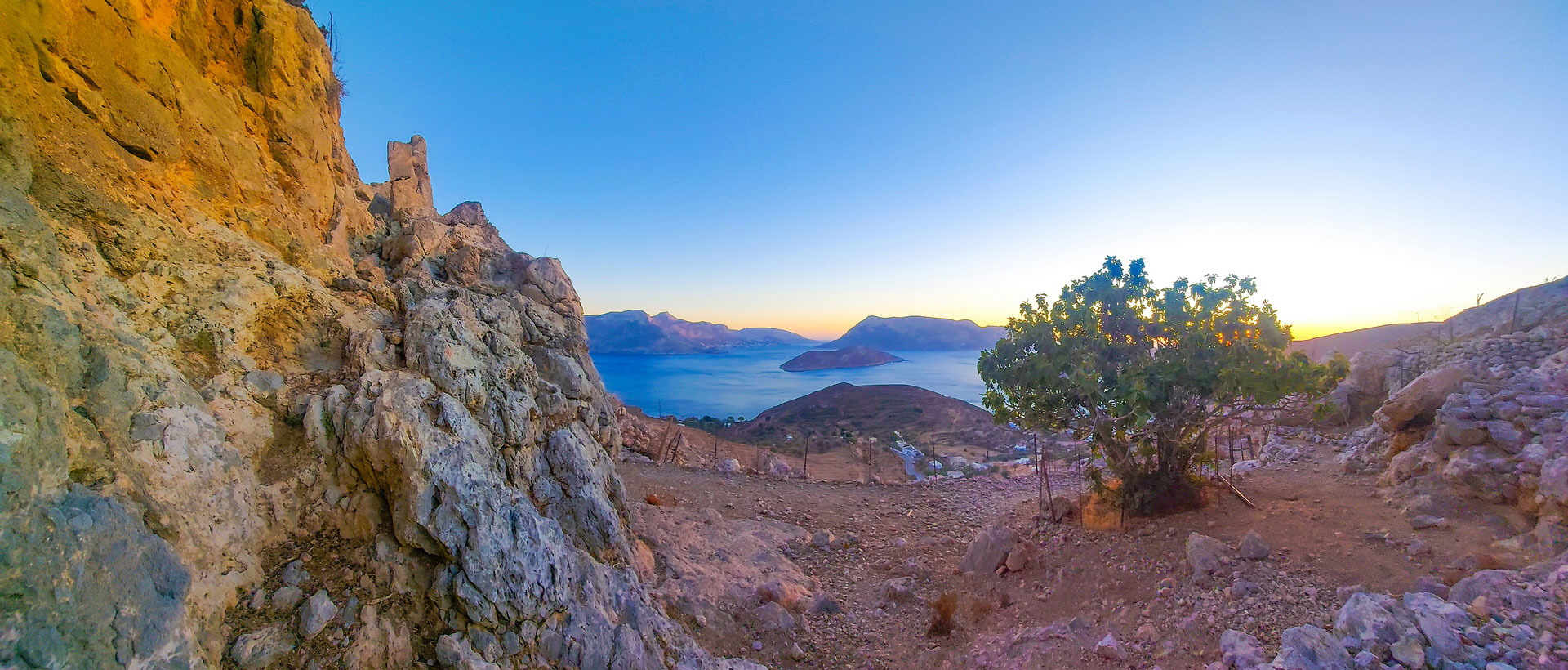
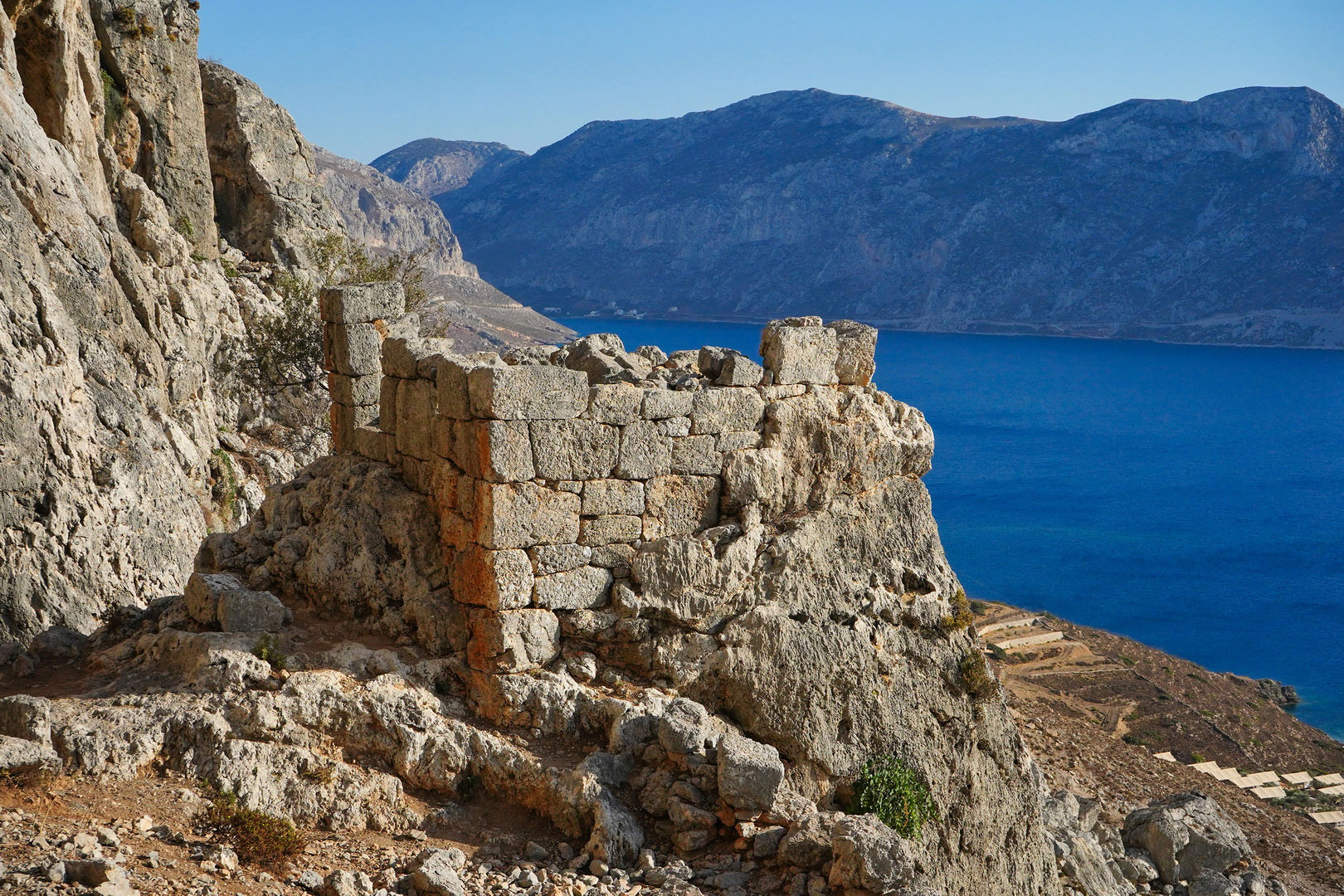
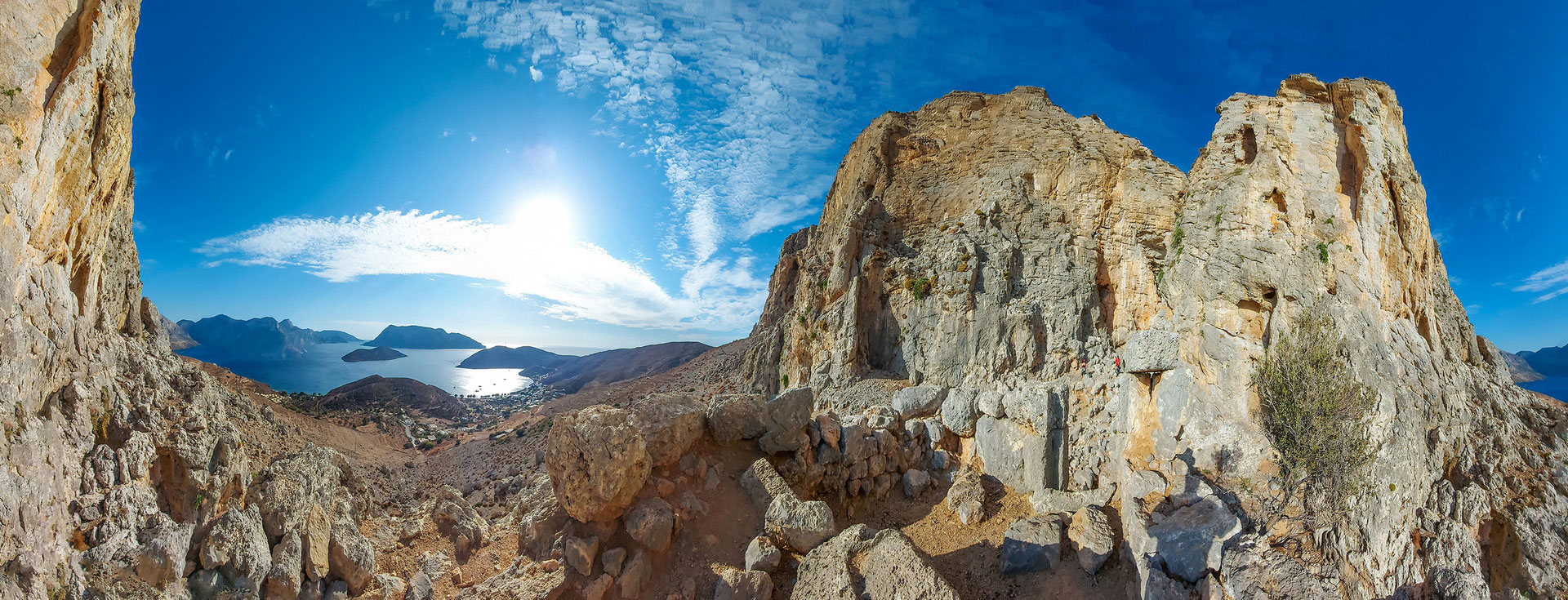
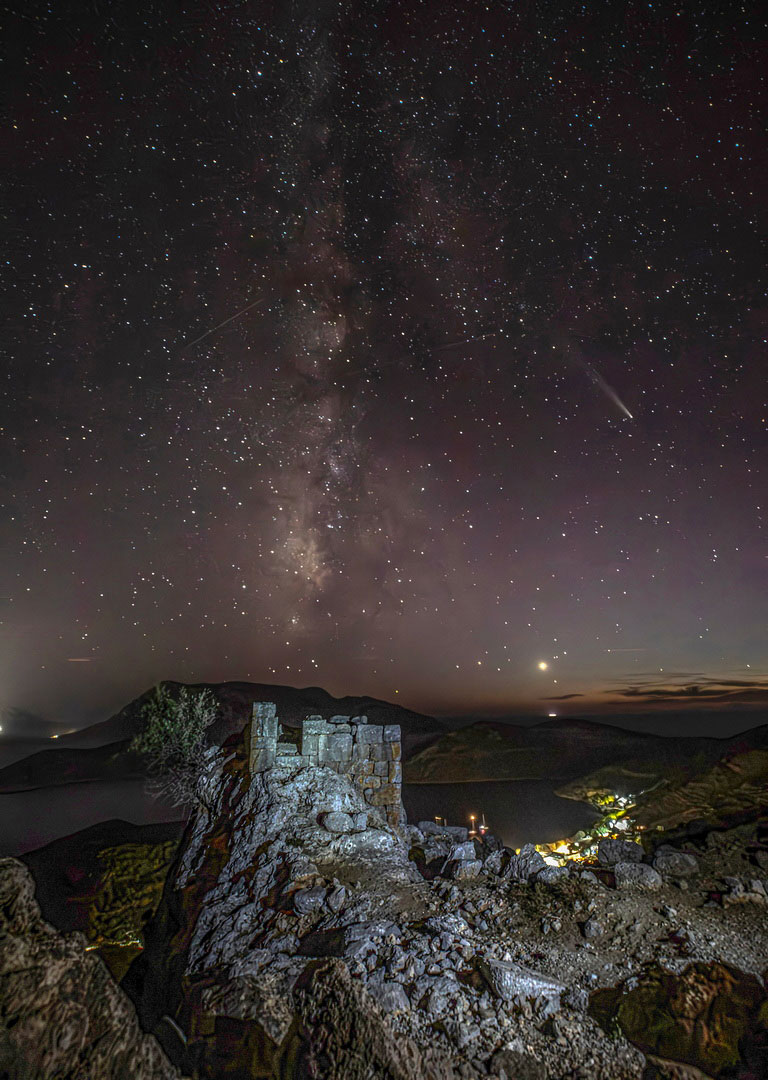
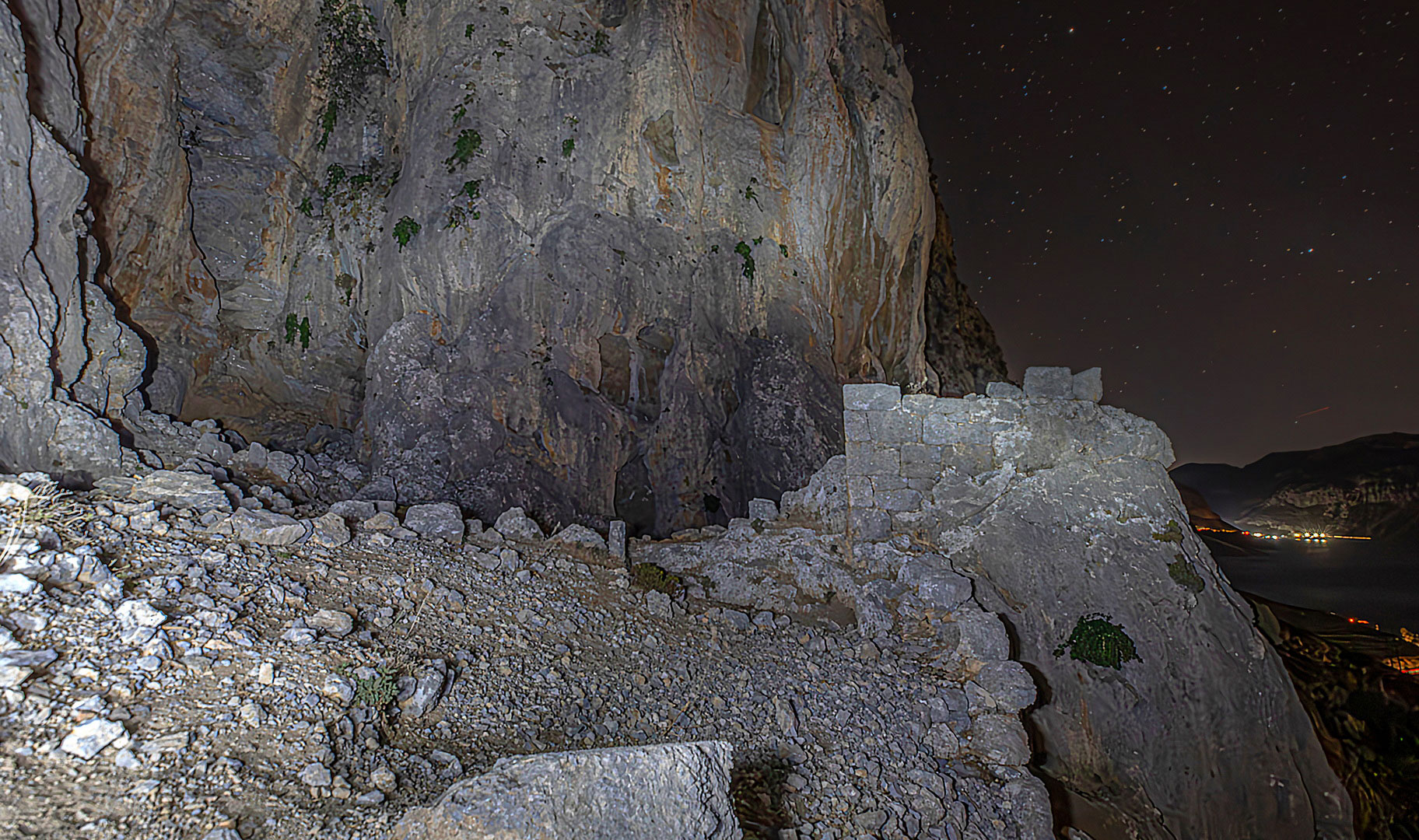
To the northeast of the seaside settlement of Emporios, at the foothills of the imposing northern mountain range, lies the ancient fortress Kastri. The northern part is protected by towering cliffs, while the southern part is surrounded by a wall, framed on both sides by two rectangular towers. A narrow uphill path, with an intermediate gate, leads to the interior of the fortress.
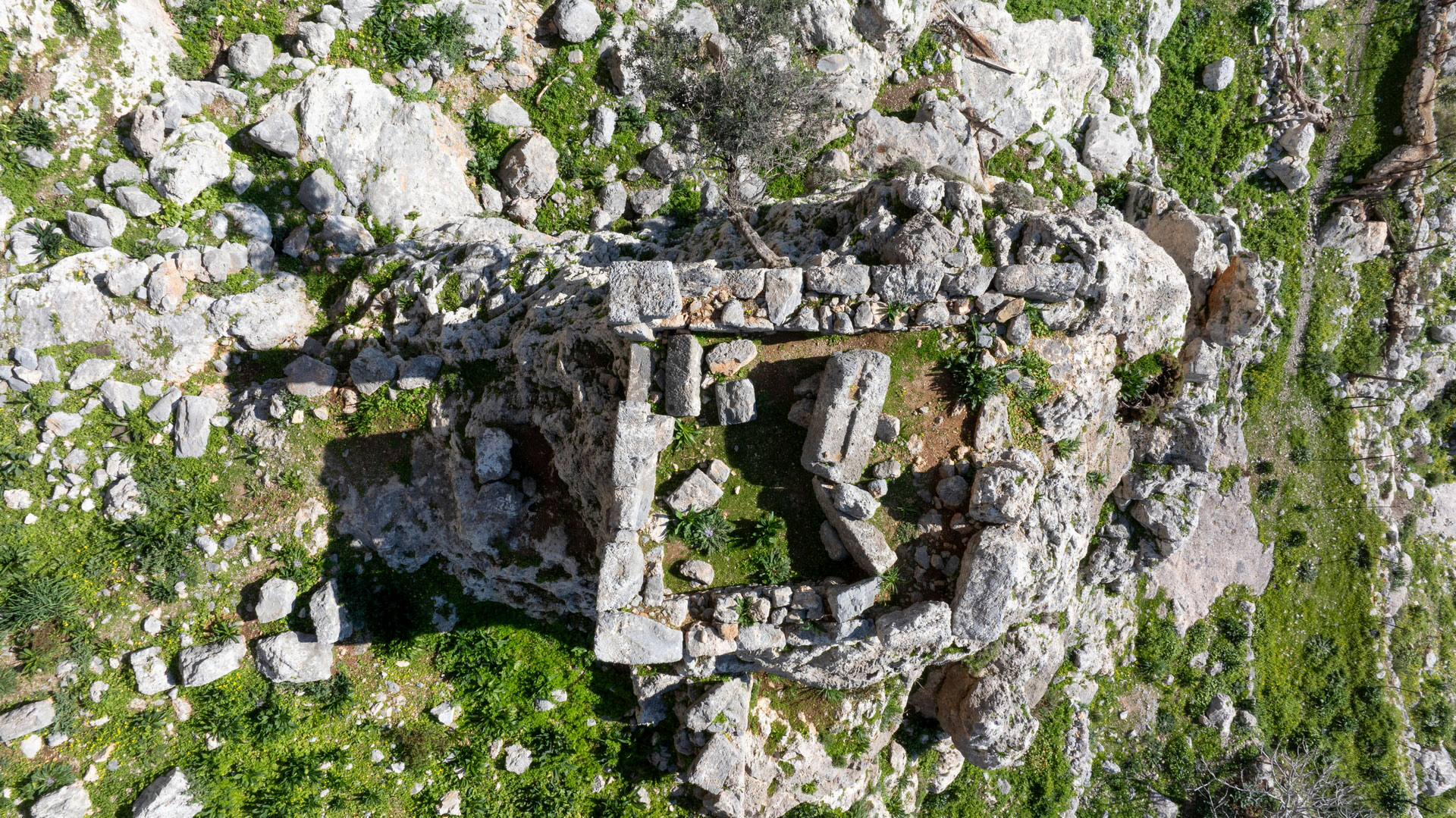
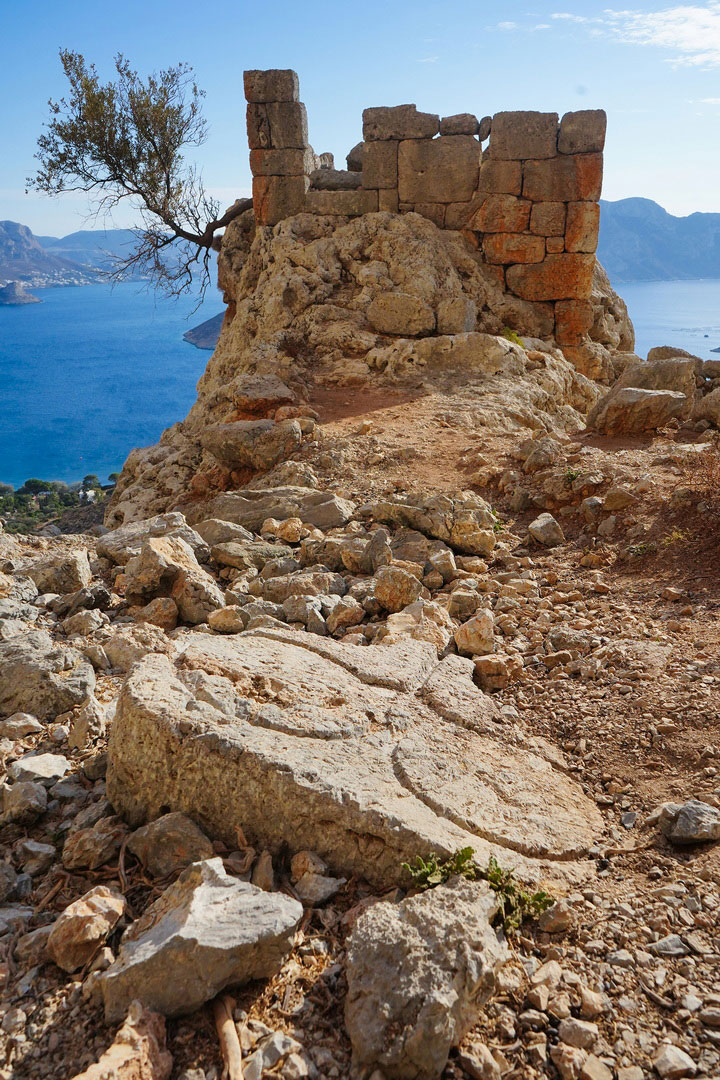
The wall is constructed of rectangular stones of varying sizes, placed in horizontal layers. Of the two rectangular towers, the eastern one is better preserved, while the western tower remains in a foundation state.
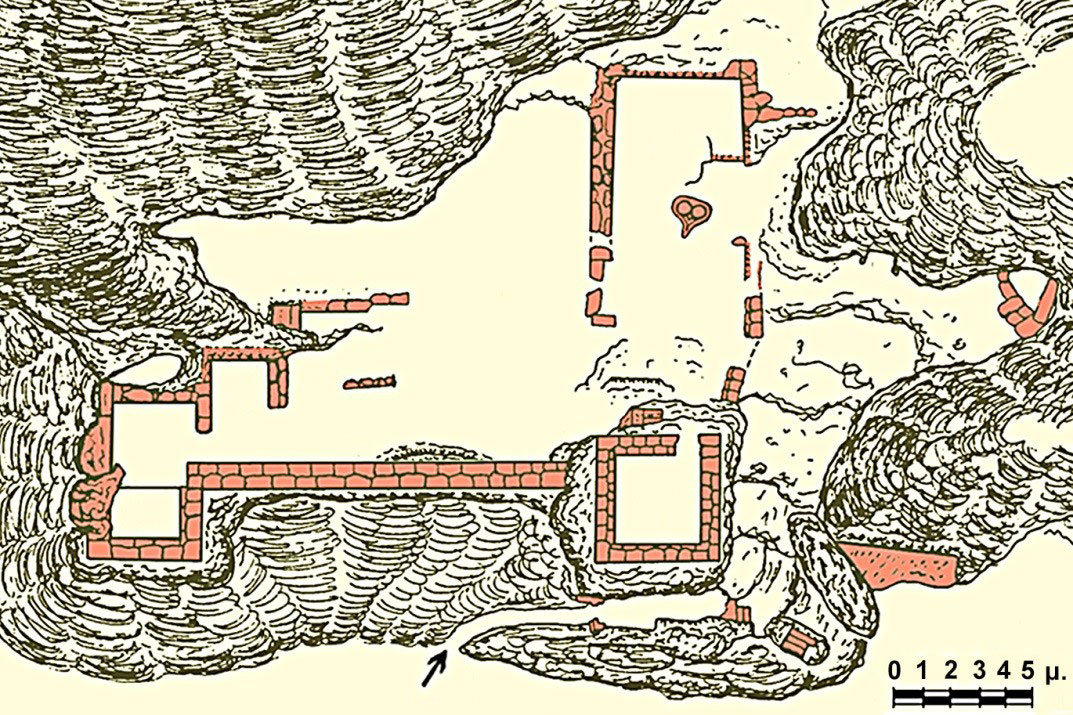
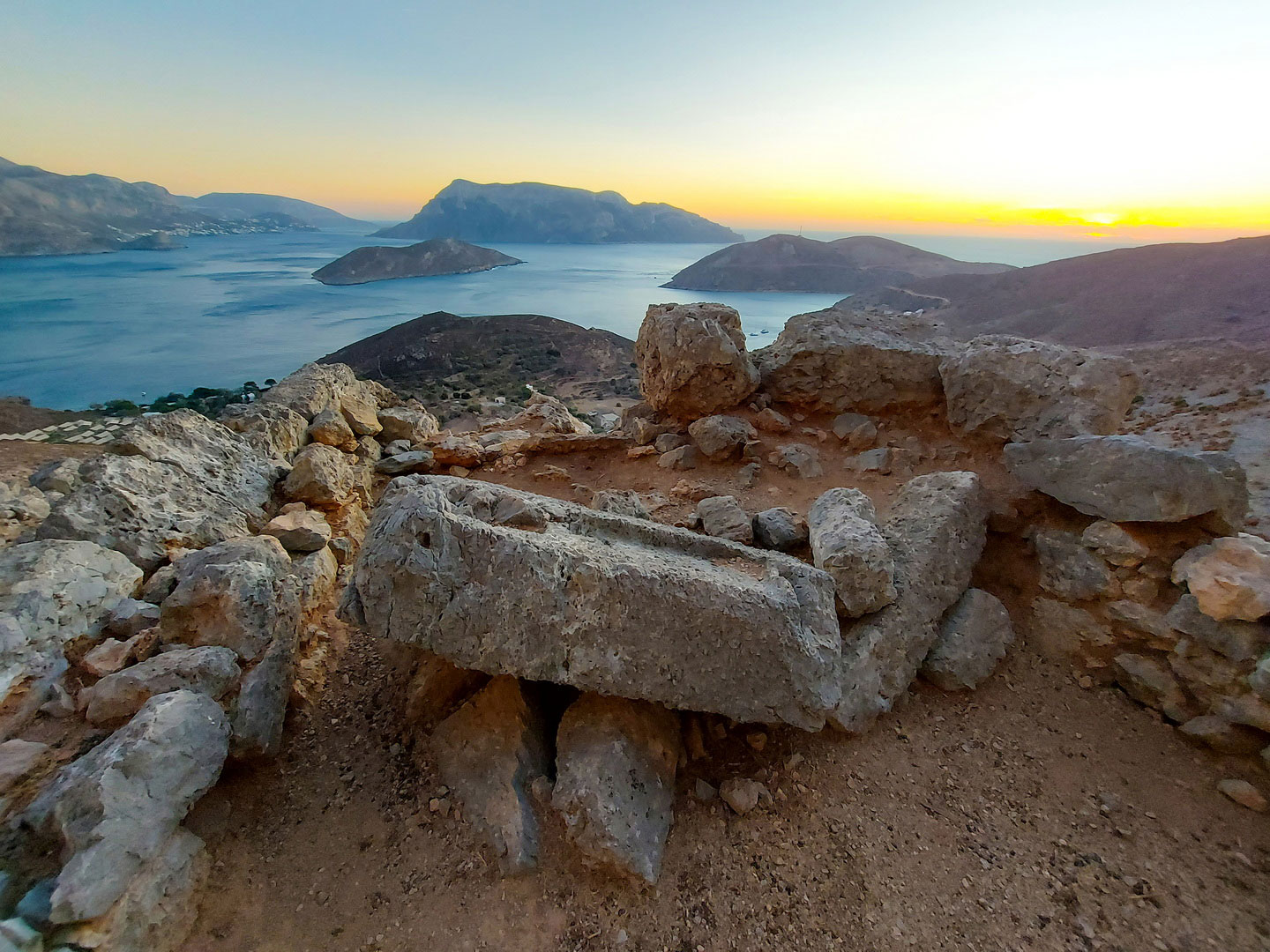
The buildings inside the fortress are preserved only in their foundation state. Among them, a long rectangular building stands out, which, as indicated by a compression base of an olive press, appears to have been an olive mill.
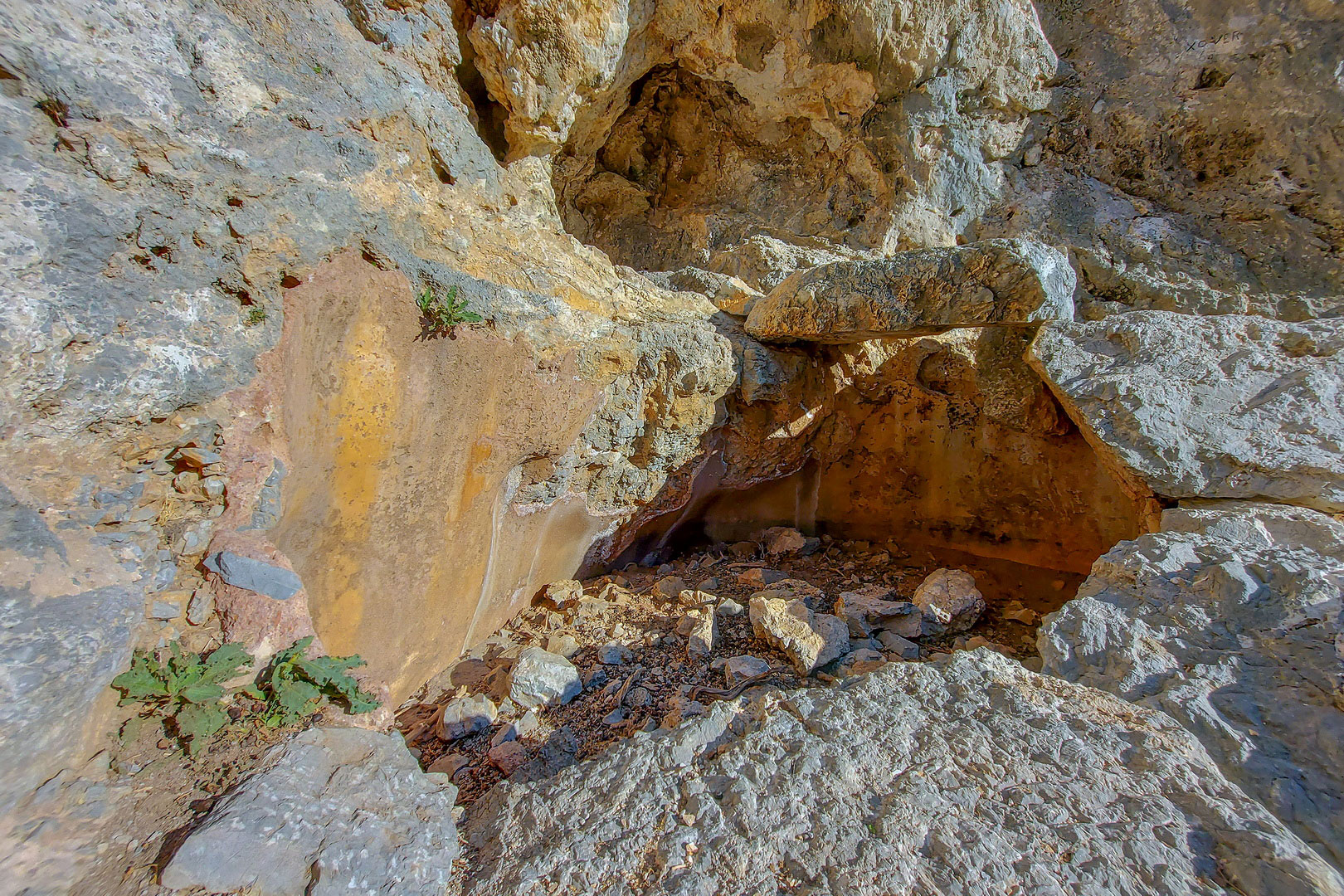
A few meters to the east of the olive mill, there are two ruined water reservoirs, which supplied the fortress with the necessary water.
Kastri is a small fortress, where the inhabitants of the surrounding areas likely took refuge in times of need. Its location allowed it to oversee the surrounding area, particularly the sea and the harbor of Emporios. Based on the study of the wall masonry and towers, as well as the surface pottery samples, Kastri is dated to the late 4th to early 3rd century BCE.
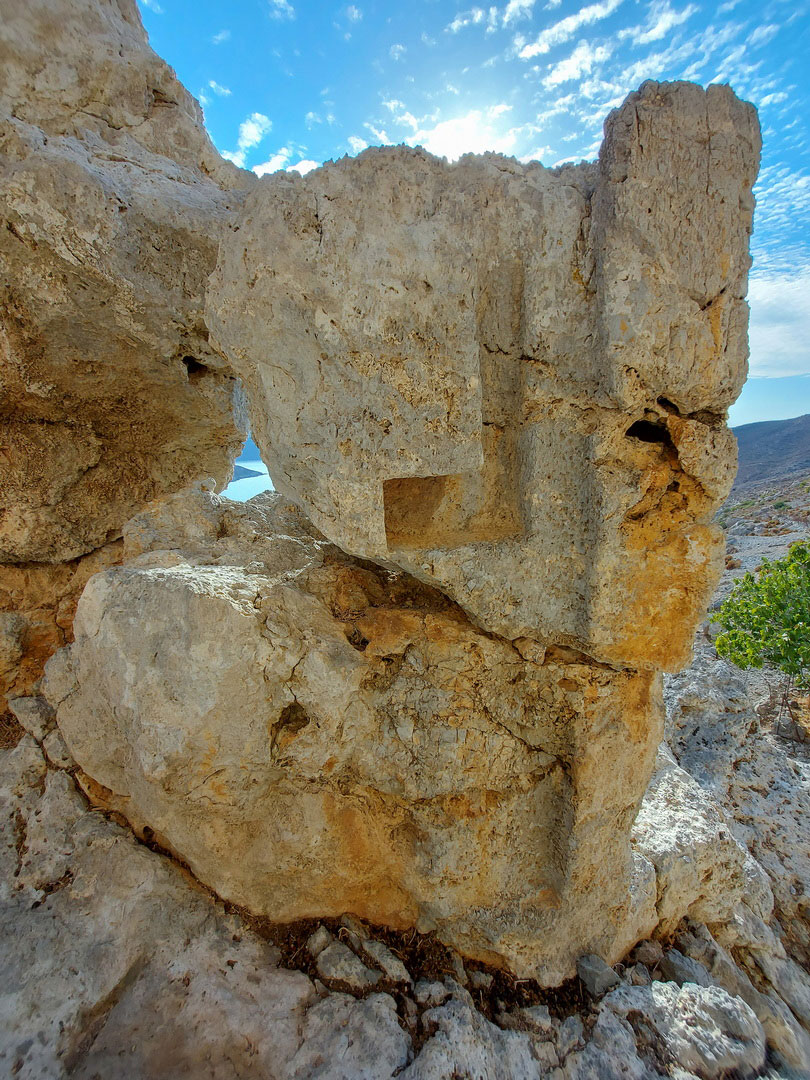
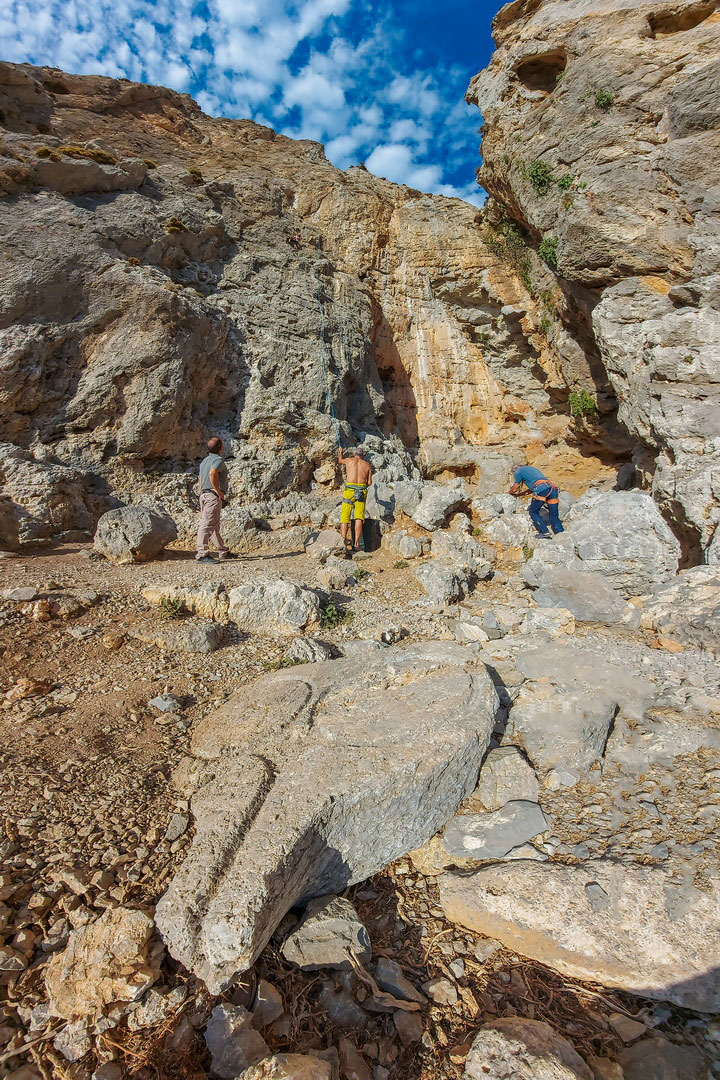
About 500 meters west of Kastri lie the remains of an olive press building. Visible parts include a section of its masonry, a circular compression base of the olive press, and a broken counterweight of the press in the shape of a rectangular parallelepiped. This counterweight has trapezoidal side recesses and a groove along the top surface connecting the two side recesses. Based on the morphology of its masonry, which is similar to that of Kastri, we can approximately date it to the same period, namely the late 4th to early 3rd century BCE.