


Early Christian church of Saint Nicholas
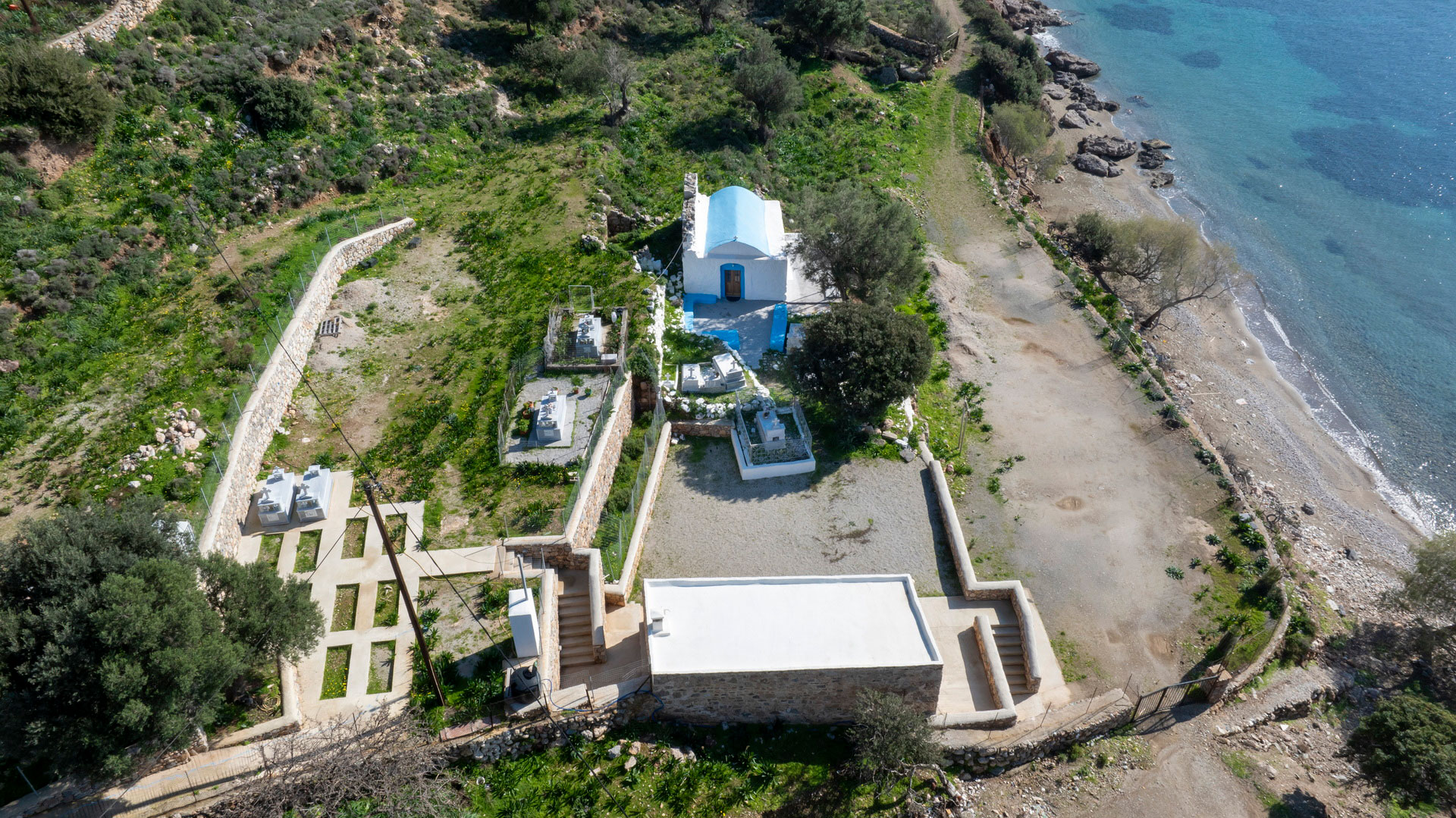
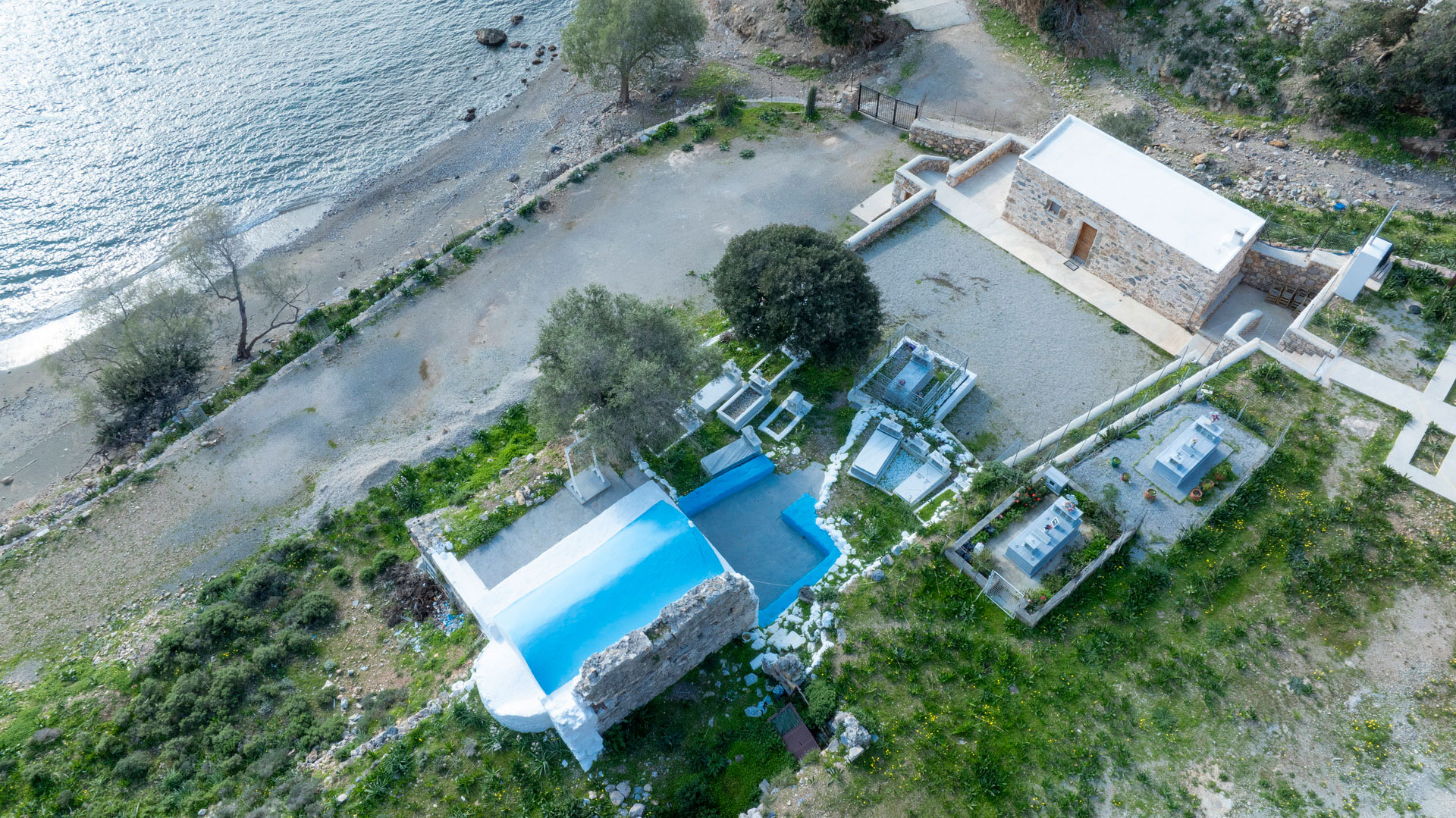
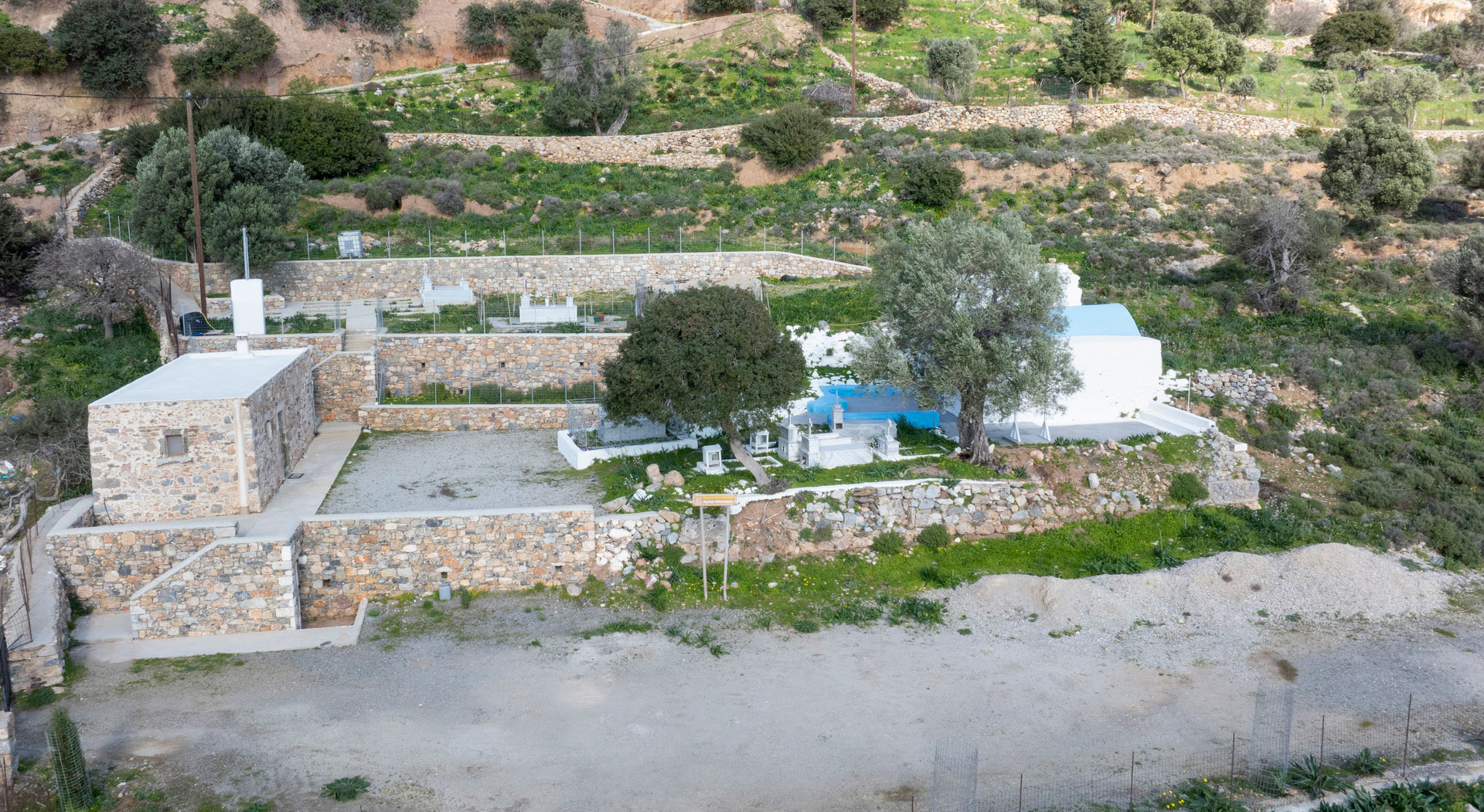
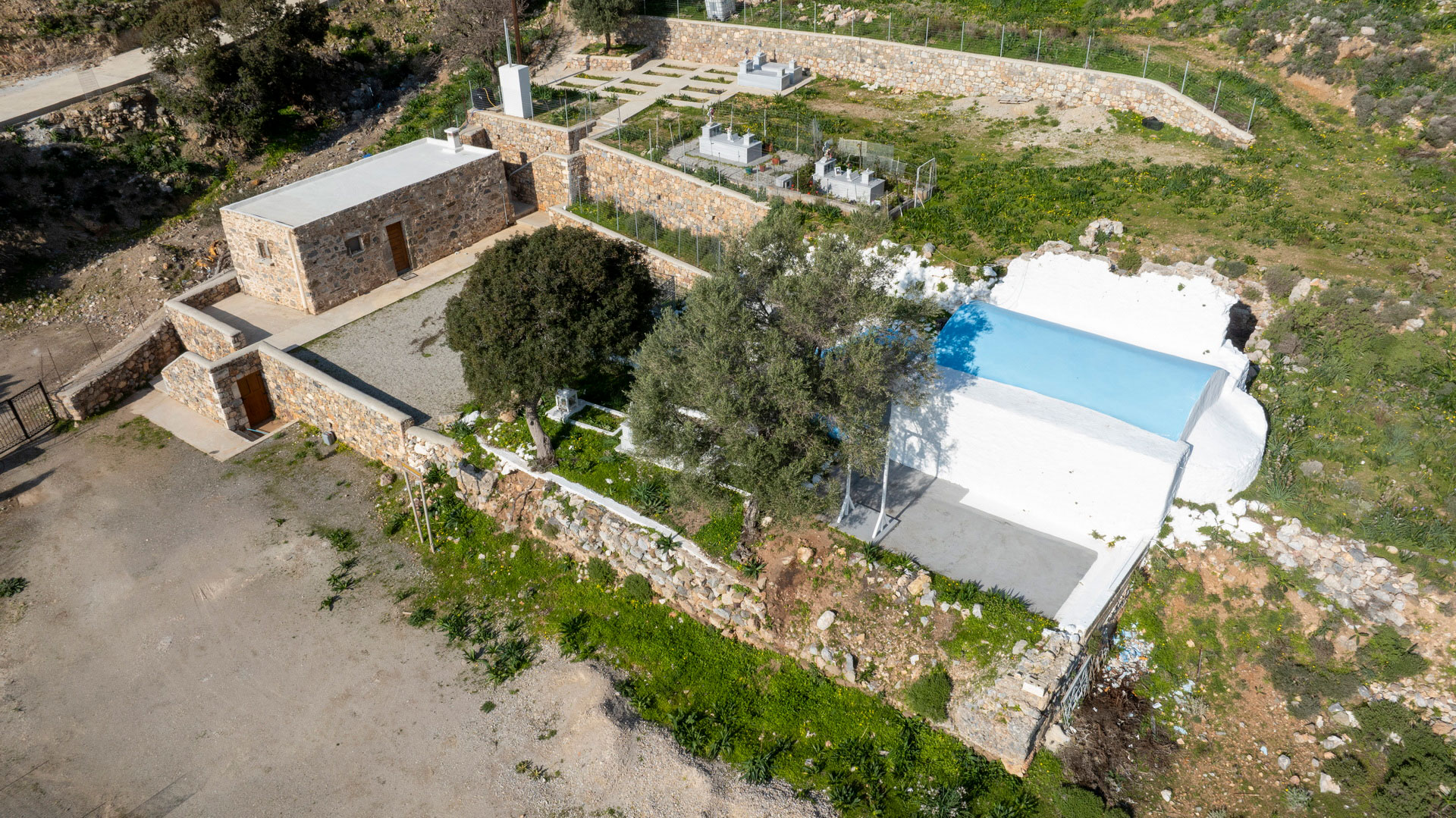
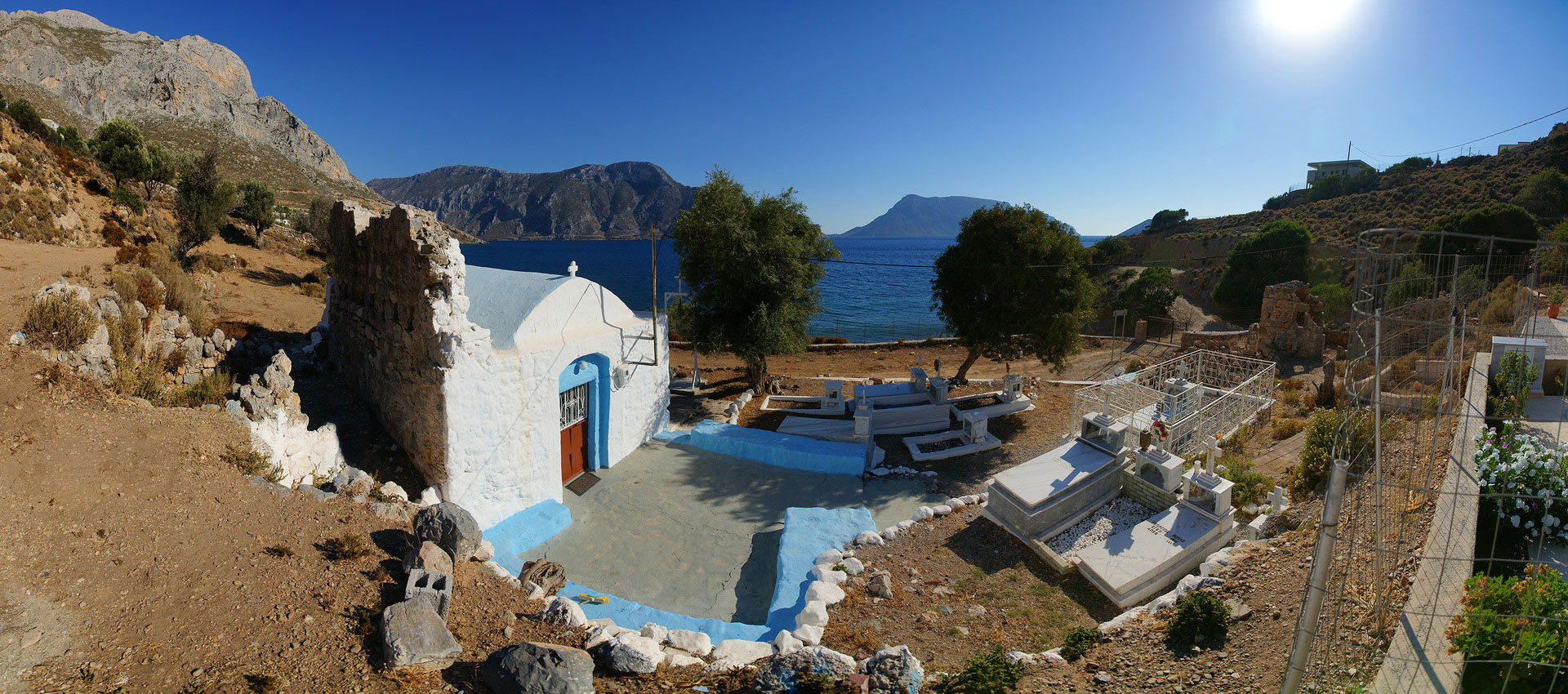
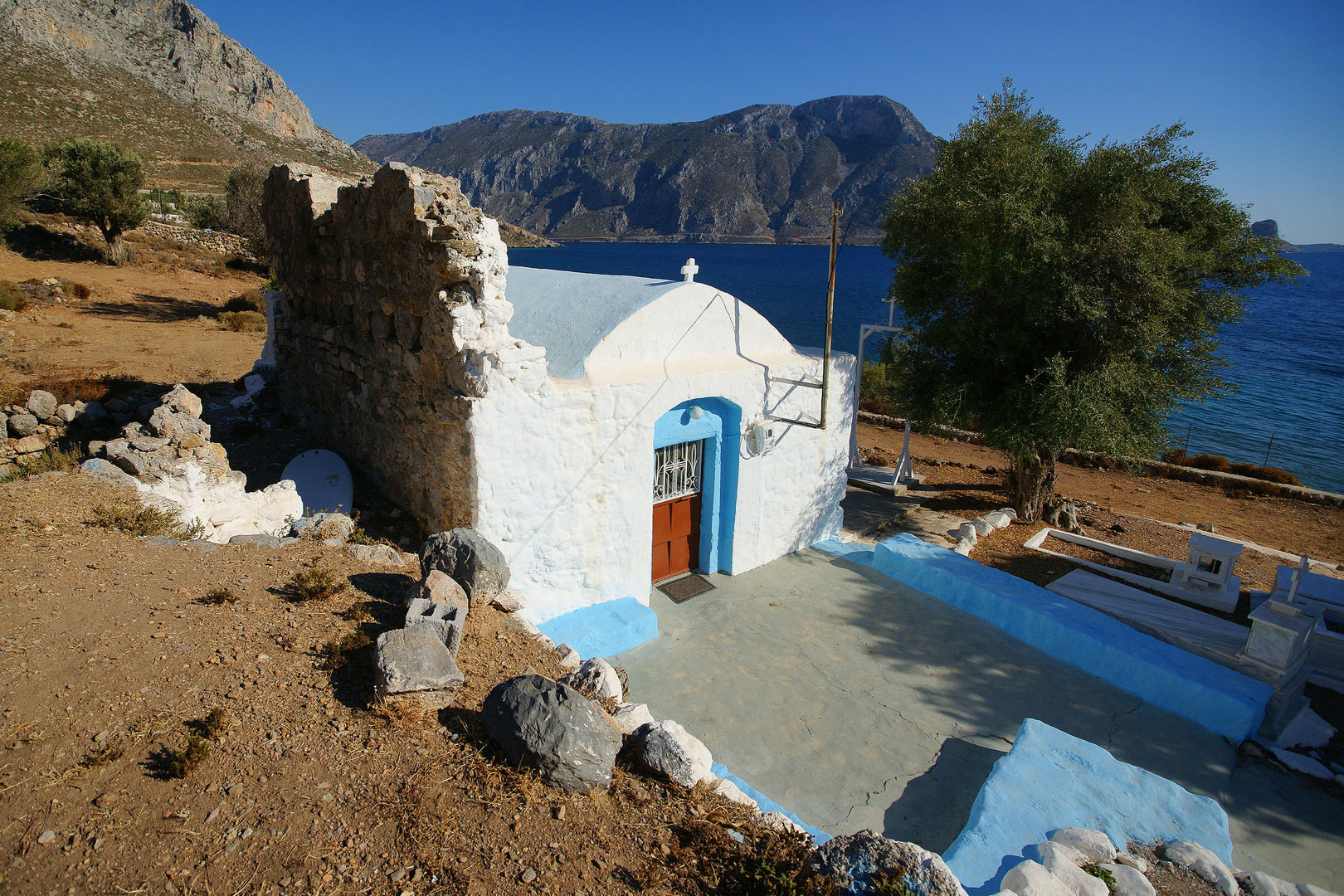
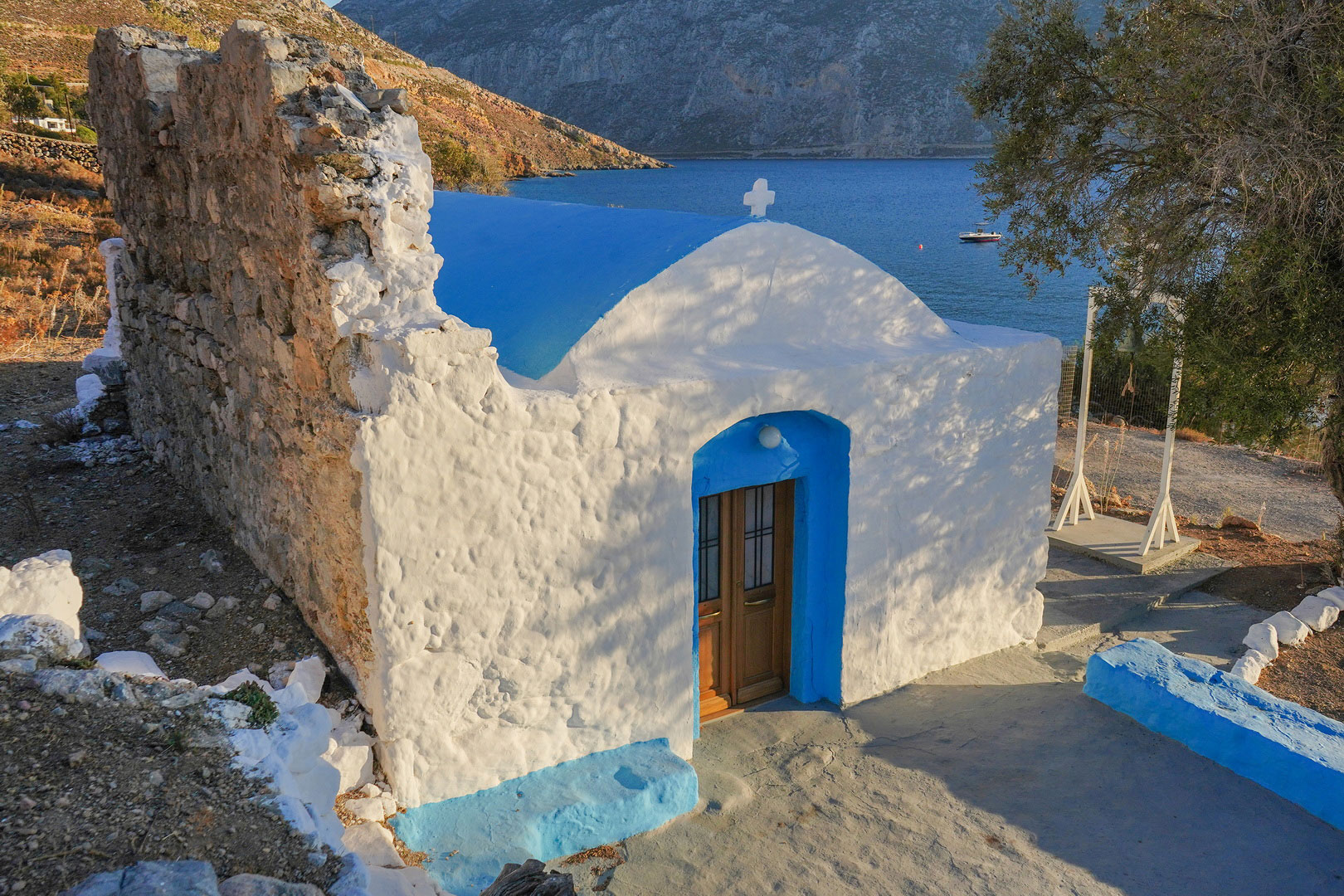
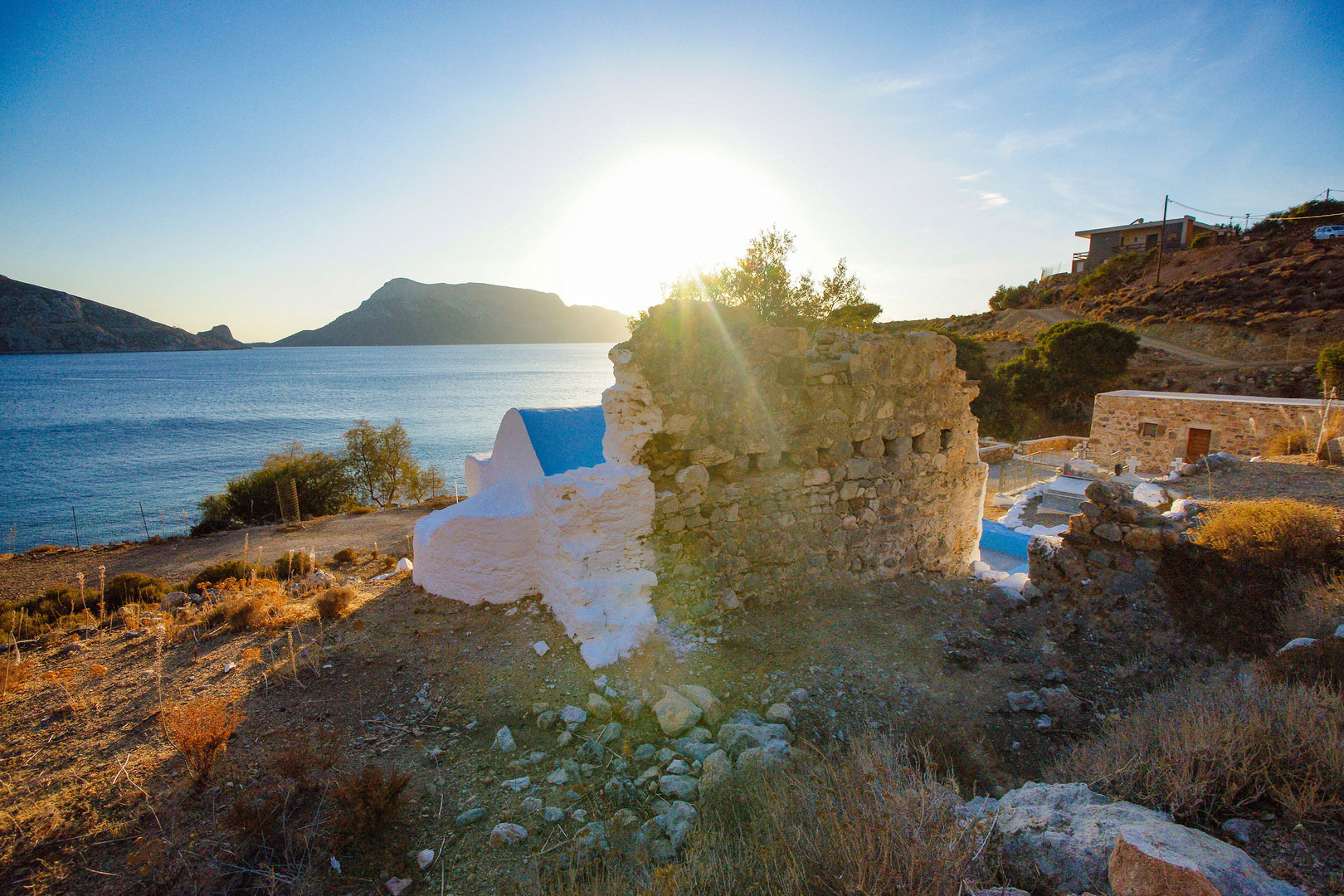
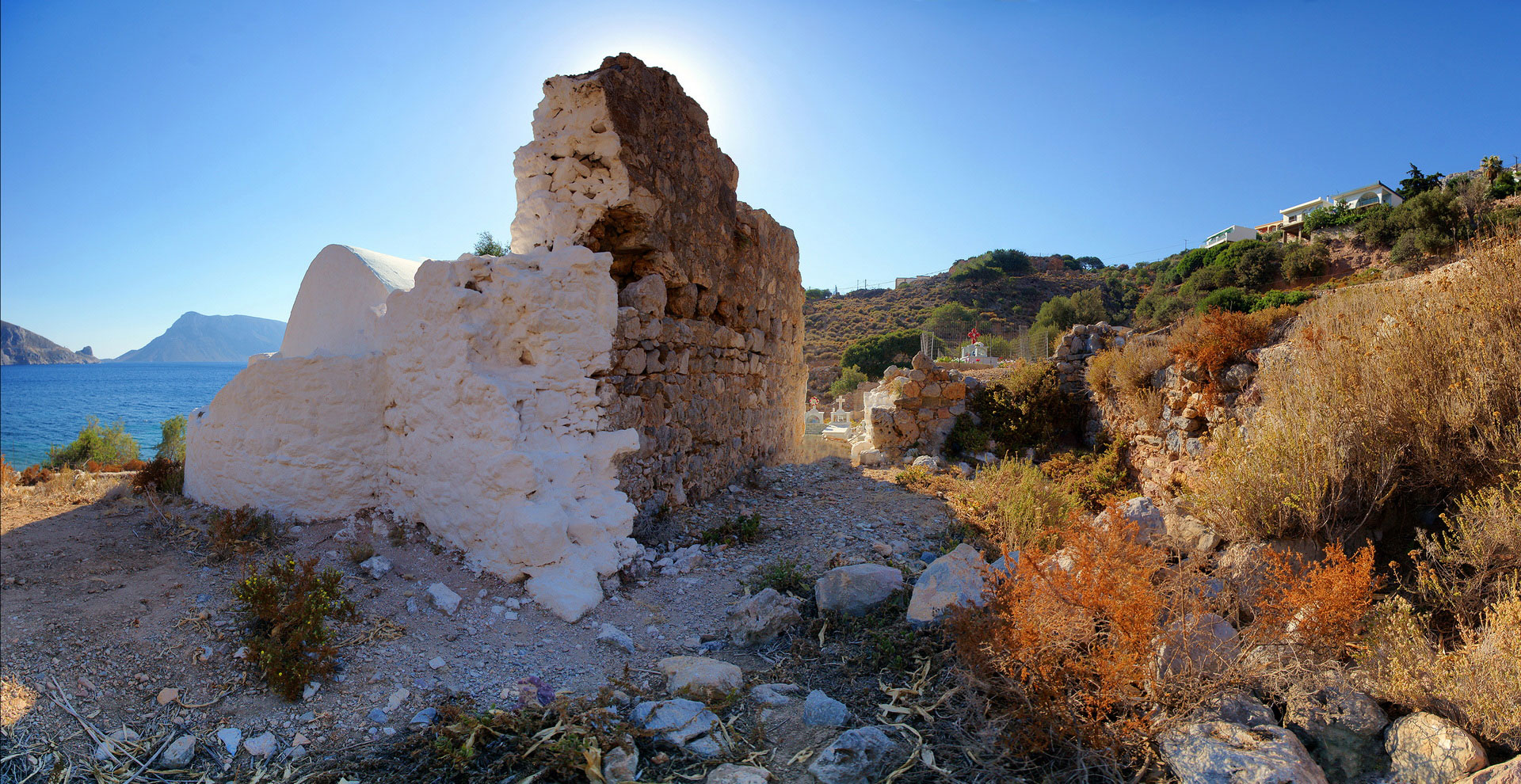
To the south of the Skalia settlement, just a few meters from the sea, stands the Byzantine chapel of Saint Nicholas, which is built on the ruins of a large Proto-Byzantine / Early Christian church.
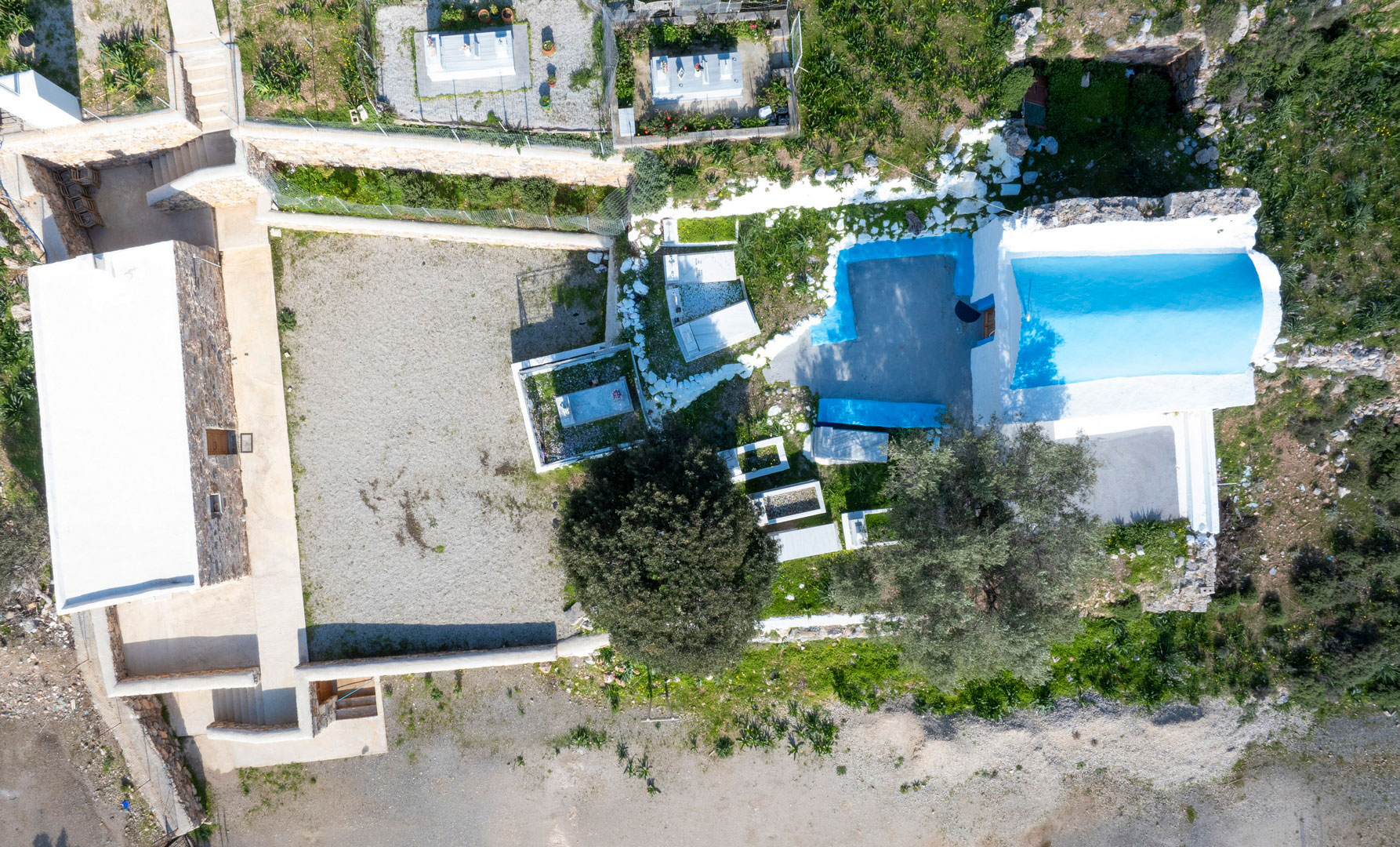
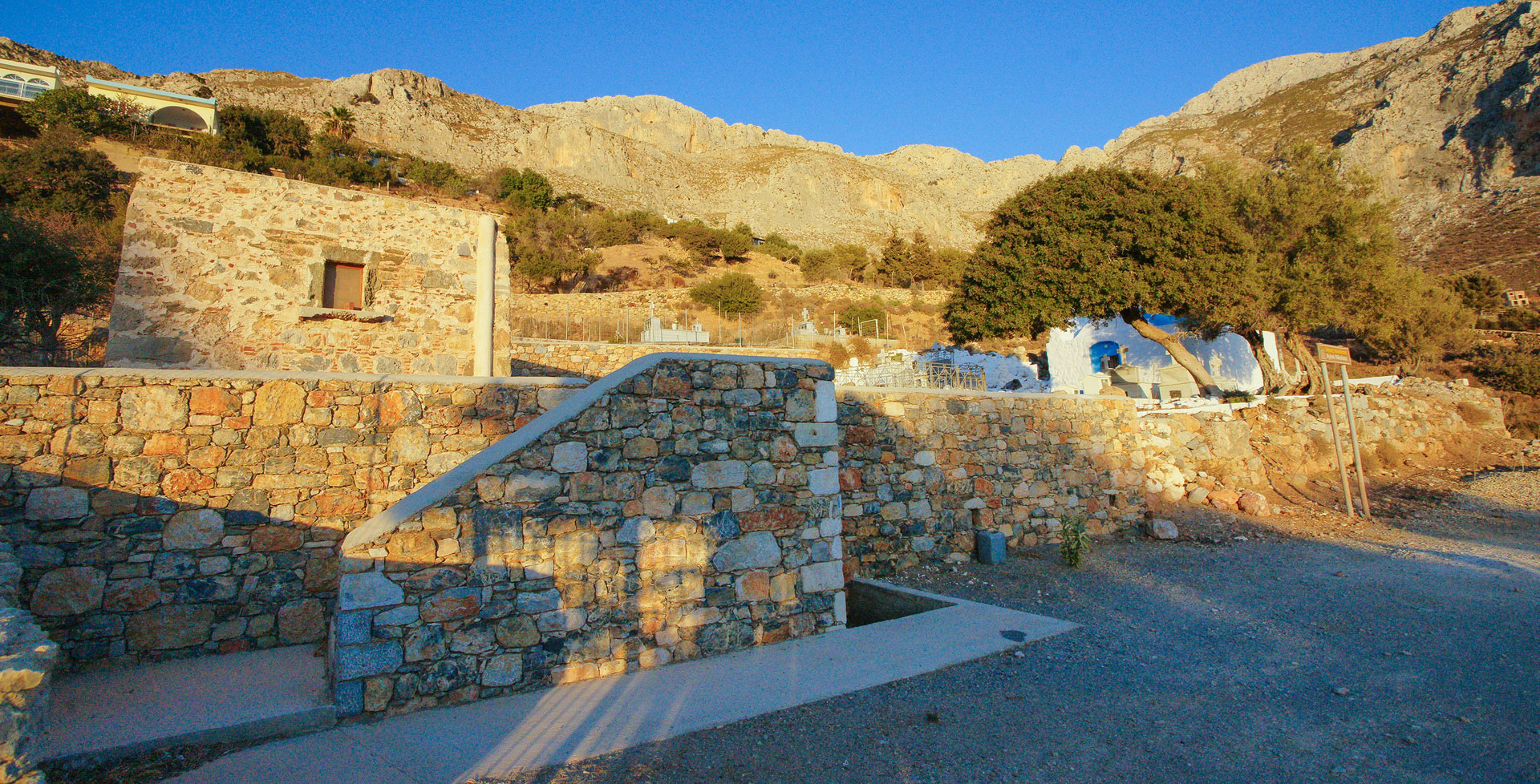
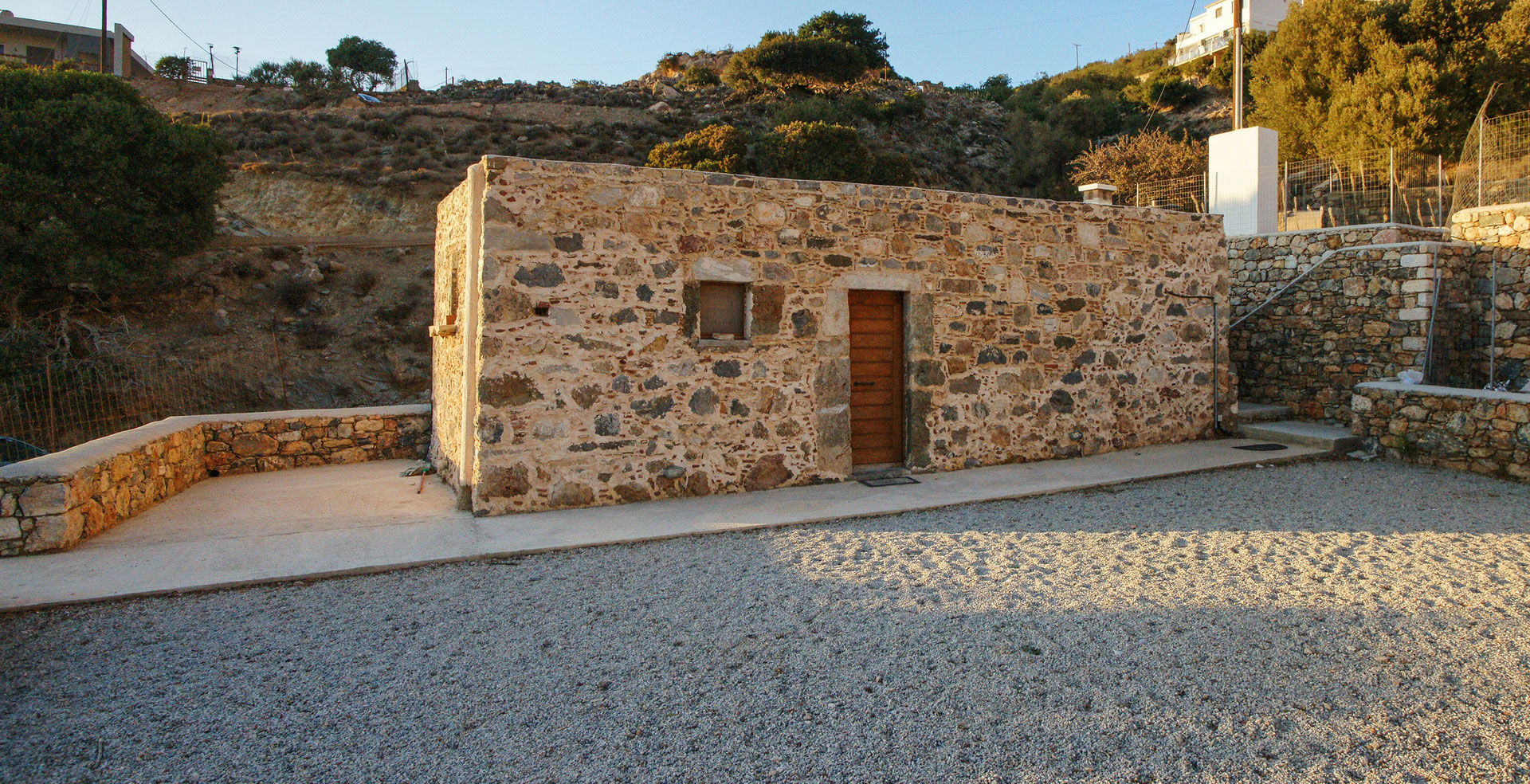
A series of interventions was recently carried out on the site by the Ecclesiastical Committee of the Sacred Church of the Dormition of the Theotokos and Saint Nicholas of the Arginonta region, under whose jurisdiction Saint Nicholas of Skalia also falls, and with the approval of the Dodecanese Antiquities Service. These included the restoration of the semi-ruined cell to the west of Saint Nicholas, to be used for the needs of the church’s celebrations and the cemetery, the construction of stone retaining walls for the beautification and protection of the area, and the creation of a new cemetery to the north of Saint Nicholas.
From the basilica, the walls of the eastern, northern, and southern sides are in better condition, while the western part has not survived. Its external length is 17.60 meters, and its width is 16.50 meters. To the north, there is an attached rectangular compartment, which communicates with the rest of the church through a door but also has an external entrance. This compartment likely served as the Prothesis of the church, where the offerings of the faithful were kept. The basilica of Saint Nicholas dates to the 6th century CE. It was probably abandoned and ruined due to the Arab invasions in the 7th century.
The space of the Holy Sanctuary of the basilica is now occupied by the later Late Byzantine chapel of Saint Nicholas, while the rest of the area is covered by newer graves of the local residents. As a result, no additional architectural details of the original church are visible.
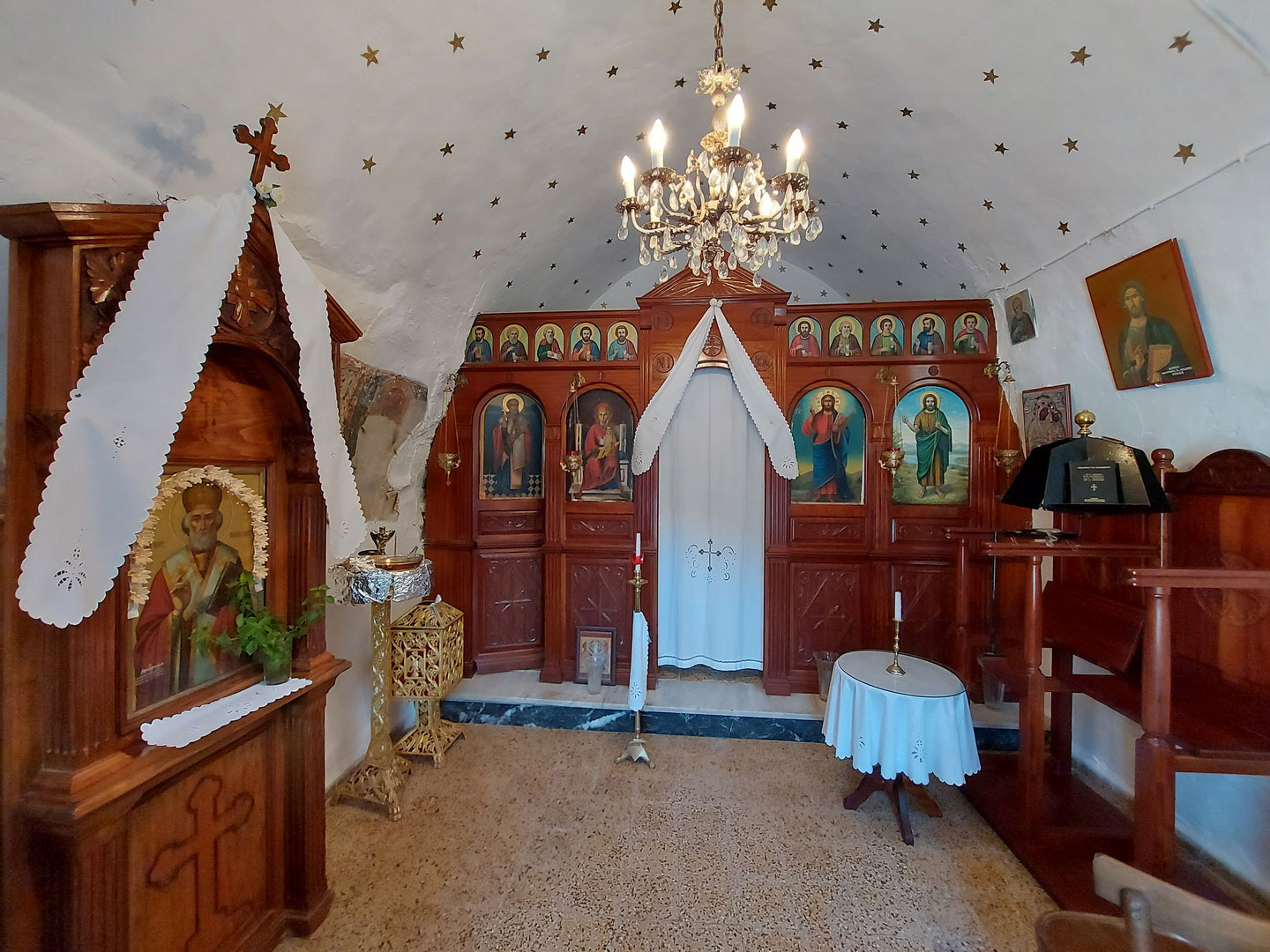
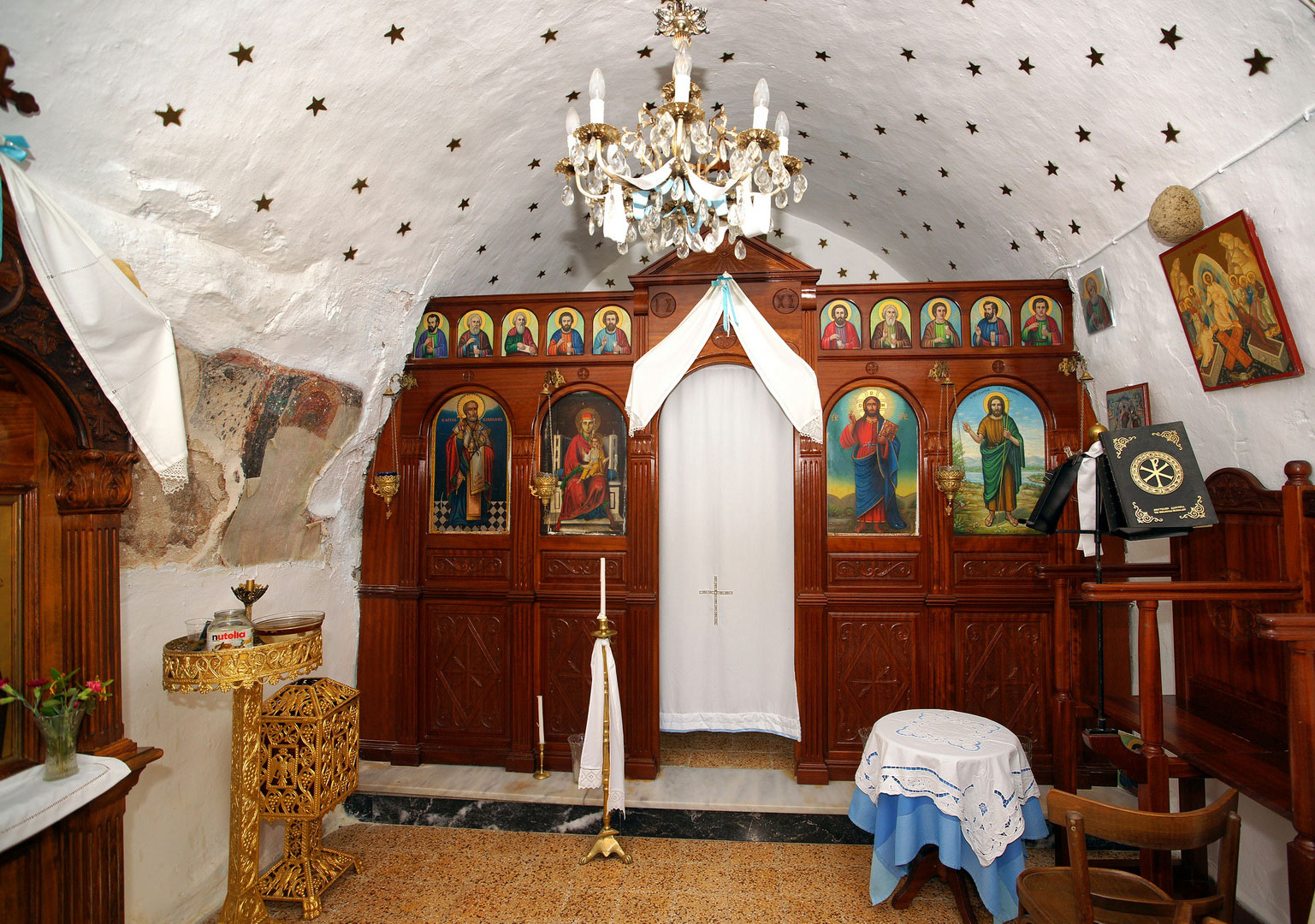
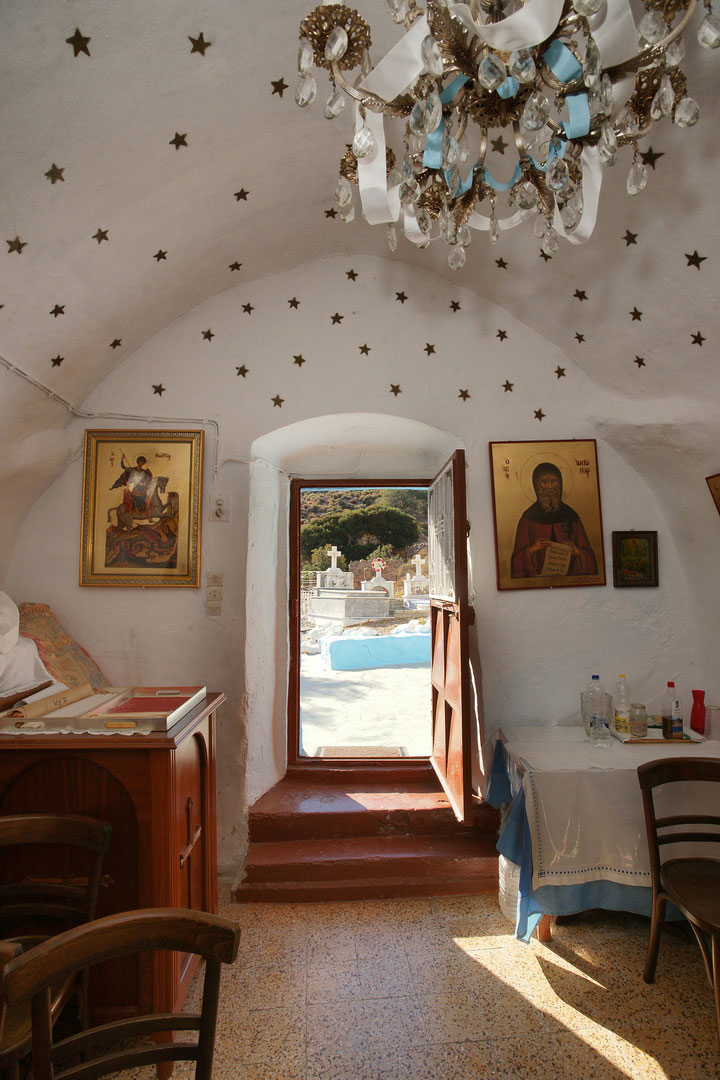
Six centuries after the abandonment of the basilica, during the Late Byzantine period, the chapel of Saint Nicholas was built on the site of the Holy Sanctuary. It is a small single-room vaulted structure, with external dimensions of 7.60 meters in length and 5.45 meters in width. Its only entrance is located in the middle of the western wall.
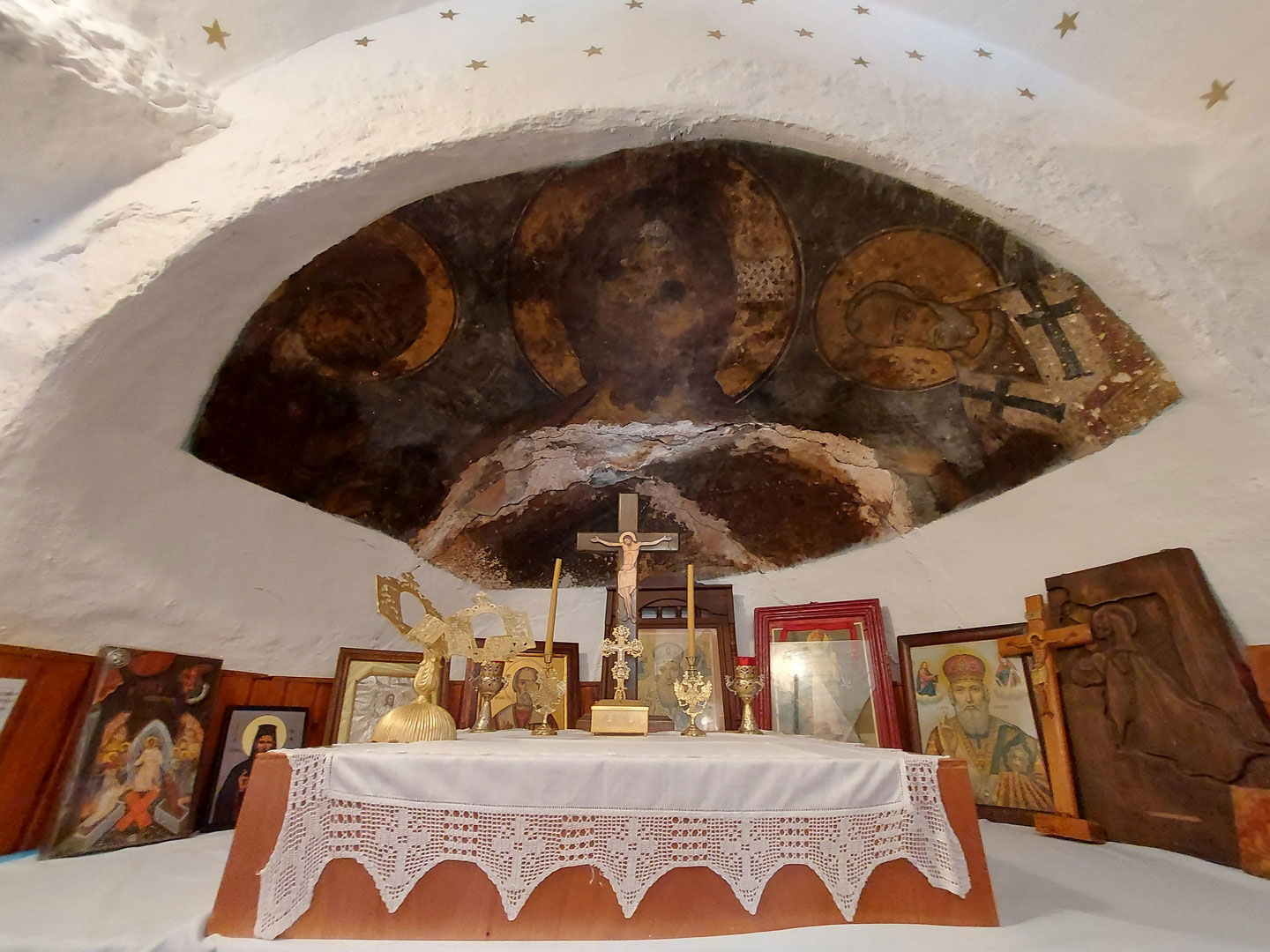
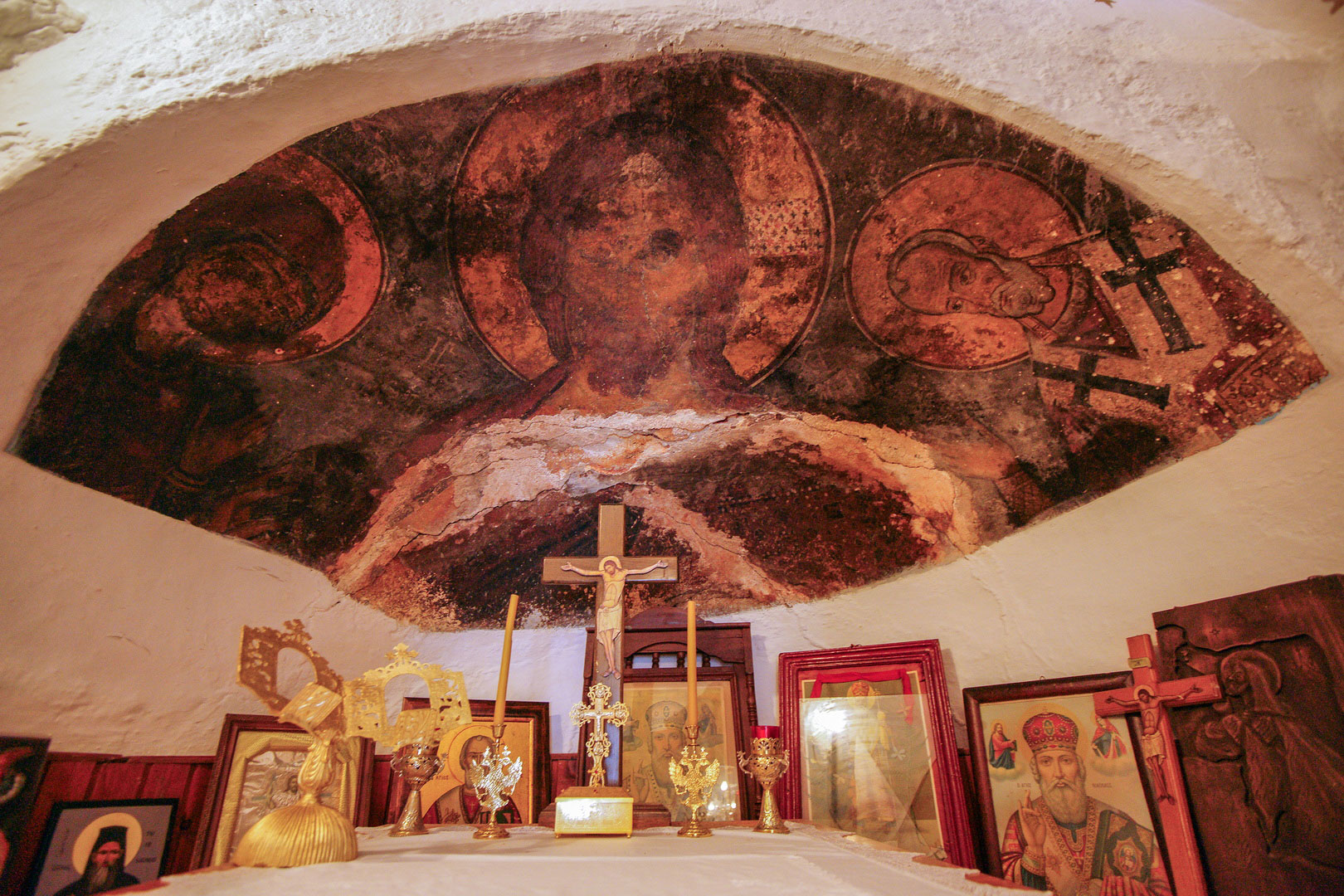
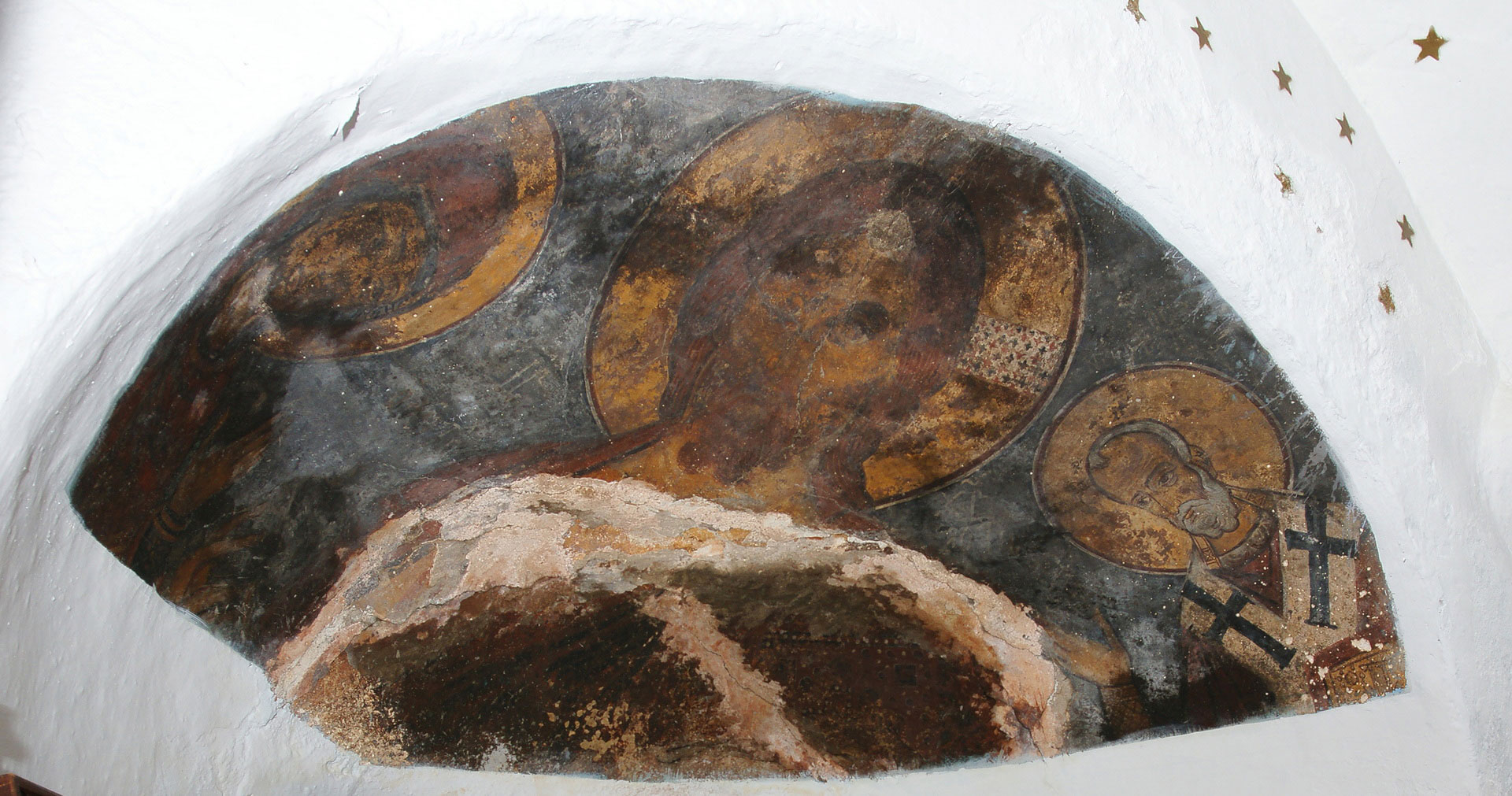
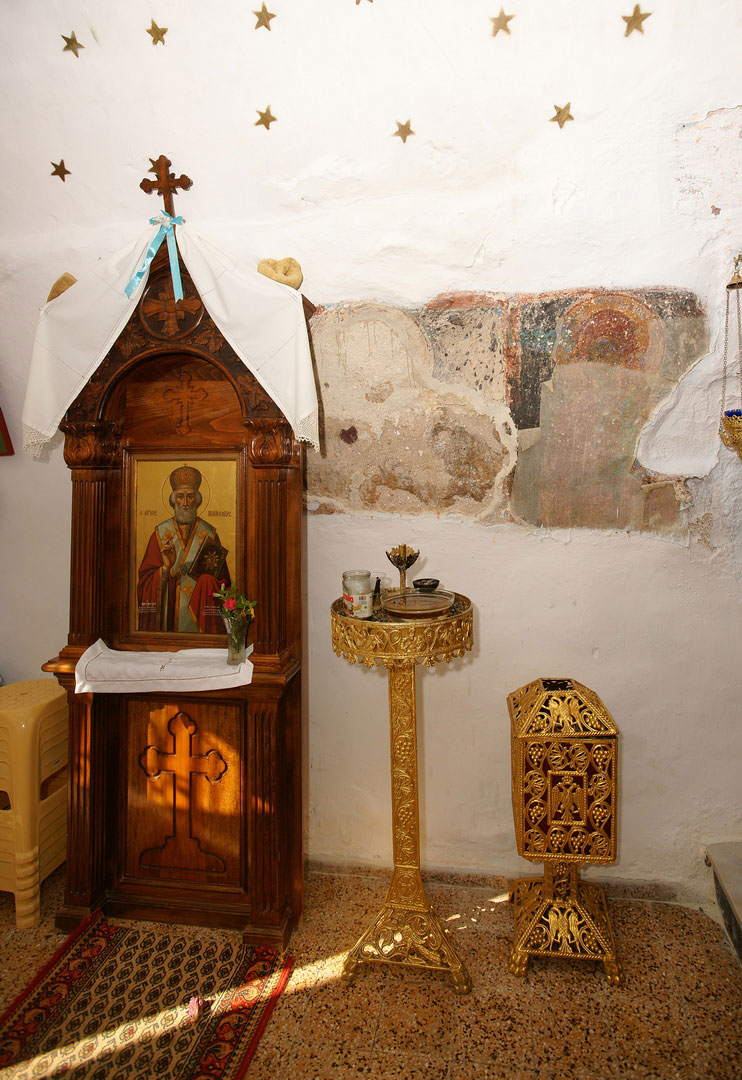
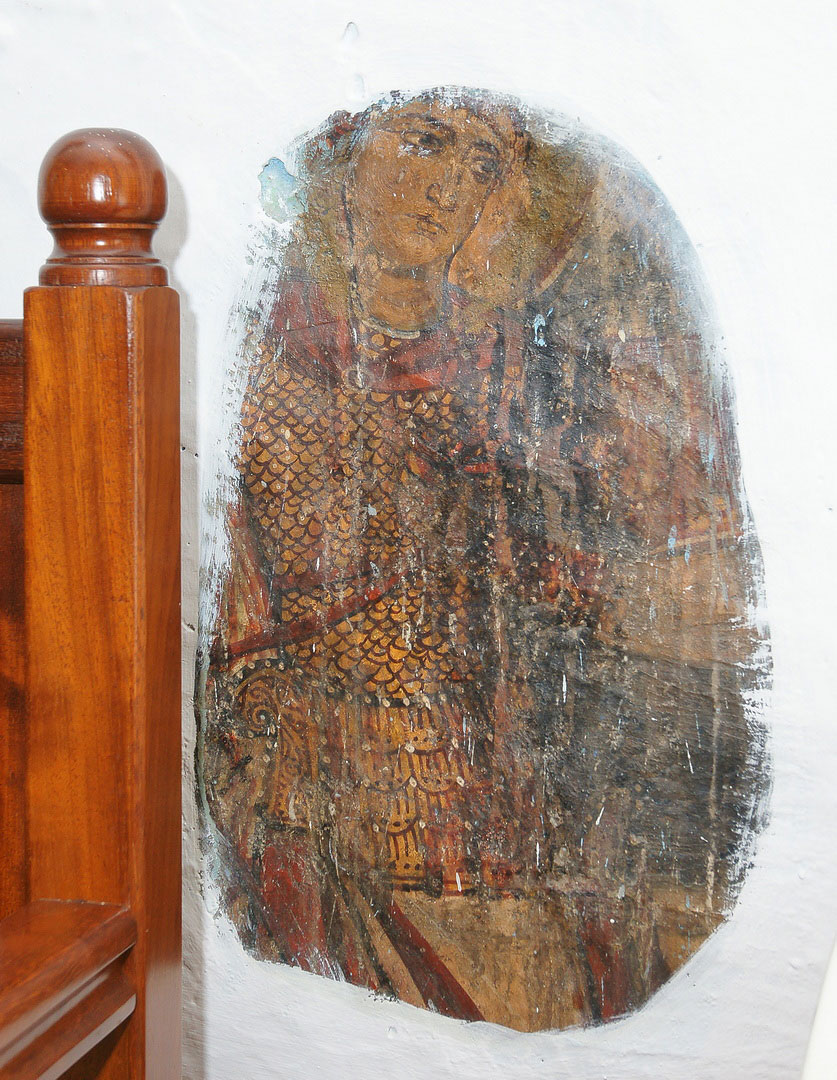
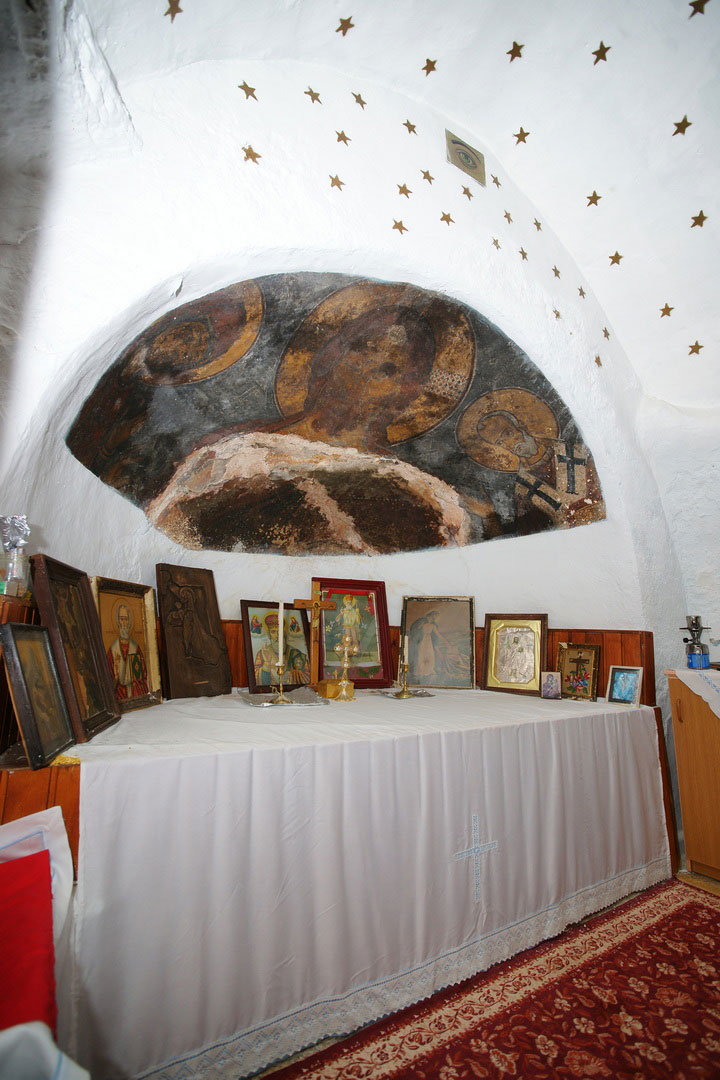
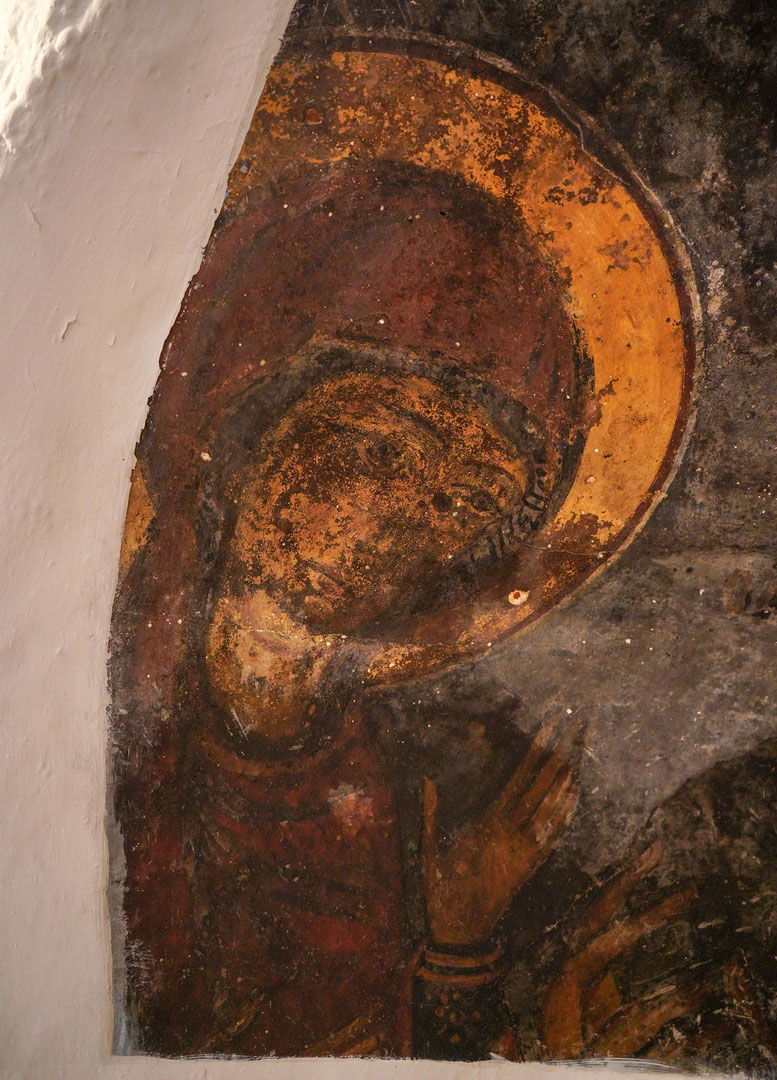
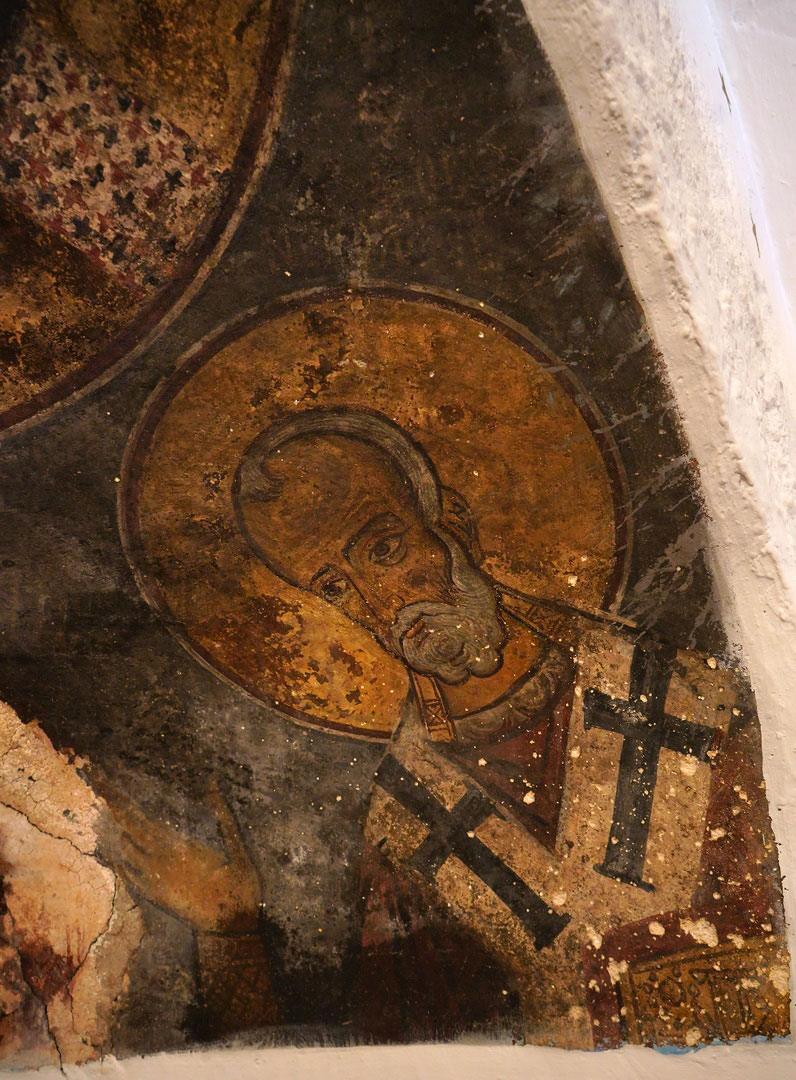
The fresco decoration is relatively well-preserved, including the depiction of the Supplication in the quarter-sphere of the apse of the Holy Sanctuary, Saint George on the southern wall, and, in poor condition, a female saint and a male saint on the northern wall. The Supplication includes Christ Pantocrator at the center, the Virgin Mary to His right, and Saint Nicholas to His left. The frescoes date to the late 13th – early 14th century.
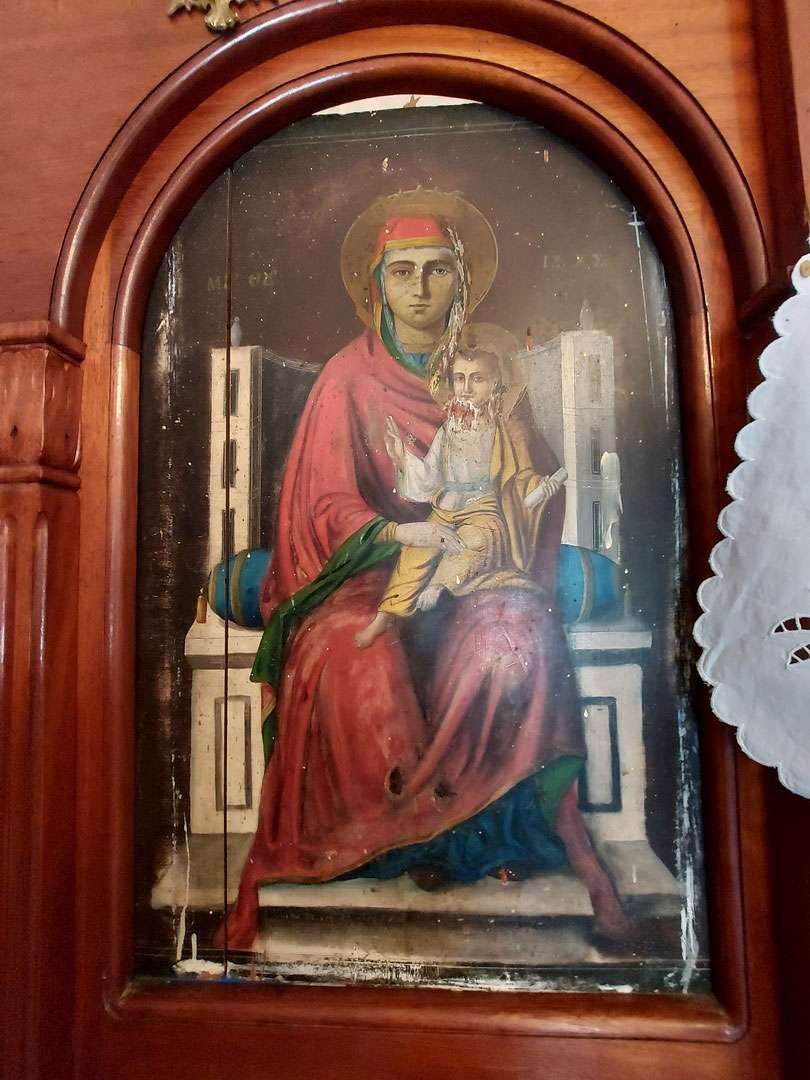
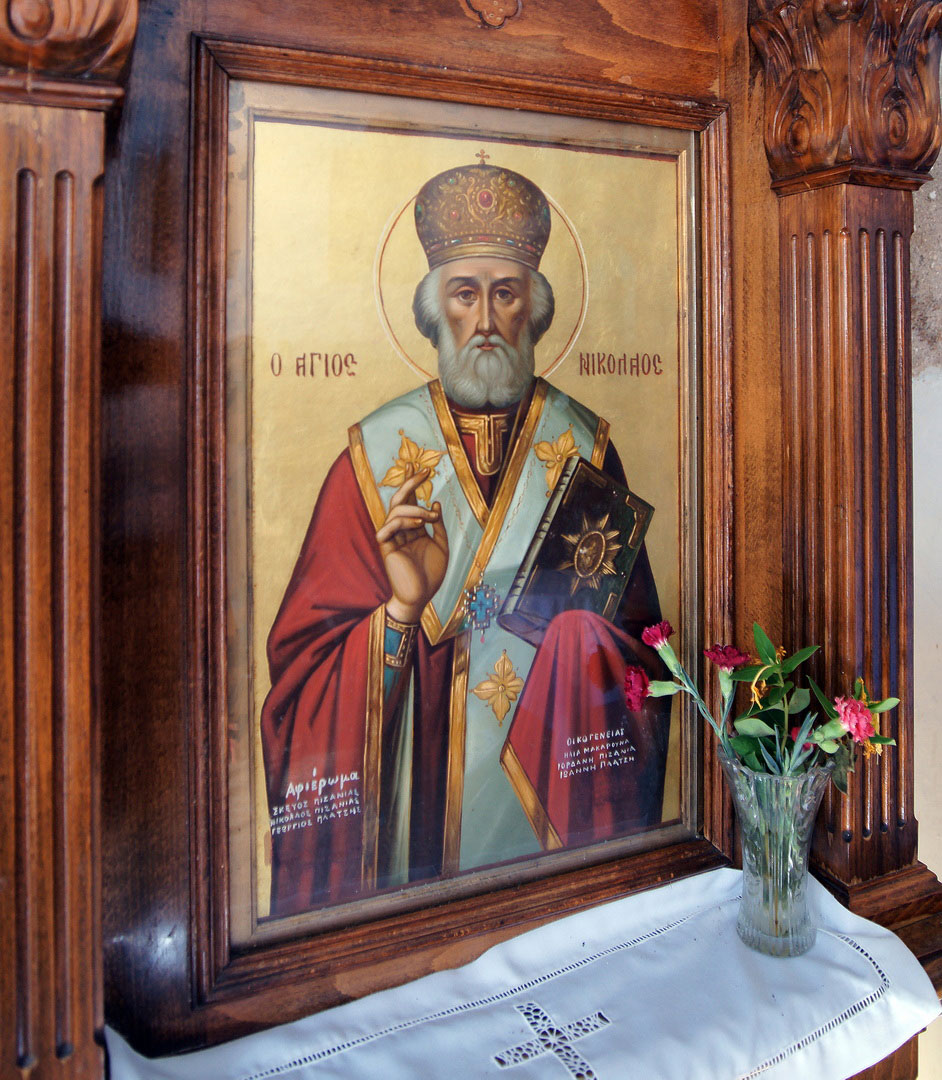
The Holy Sanctuary is separated from the rest of the church by a newer wooden iconostasis, which also features newer icons painted in a Renaissance style. Below, four despotic icons are displayed: Christ in His standing form, the enthroned Virgin Mary holding the Child, standing Saint Nicholas, and standing Saint John the Baptist. The first three icons are works of the Athonite hieromonk and iconographer Kyrillos Saloukakis (1895–1957), created in 1953. The icon of Saint John the Baptist, along with the small icons of the Apostles at the top of the iconostasis, were painted by the local Kalymnian folk artist Th. Kazouris in 1988.