


Byzantine settlement of Galatiani
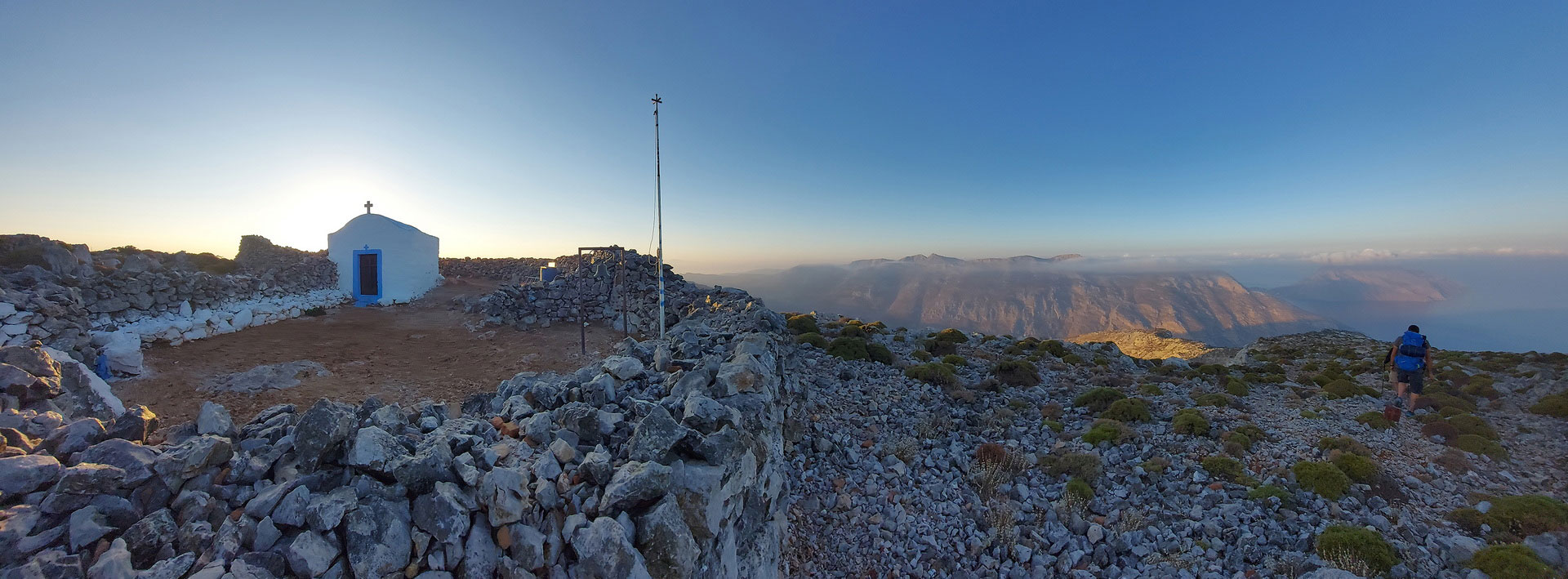
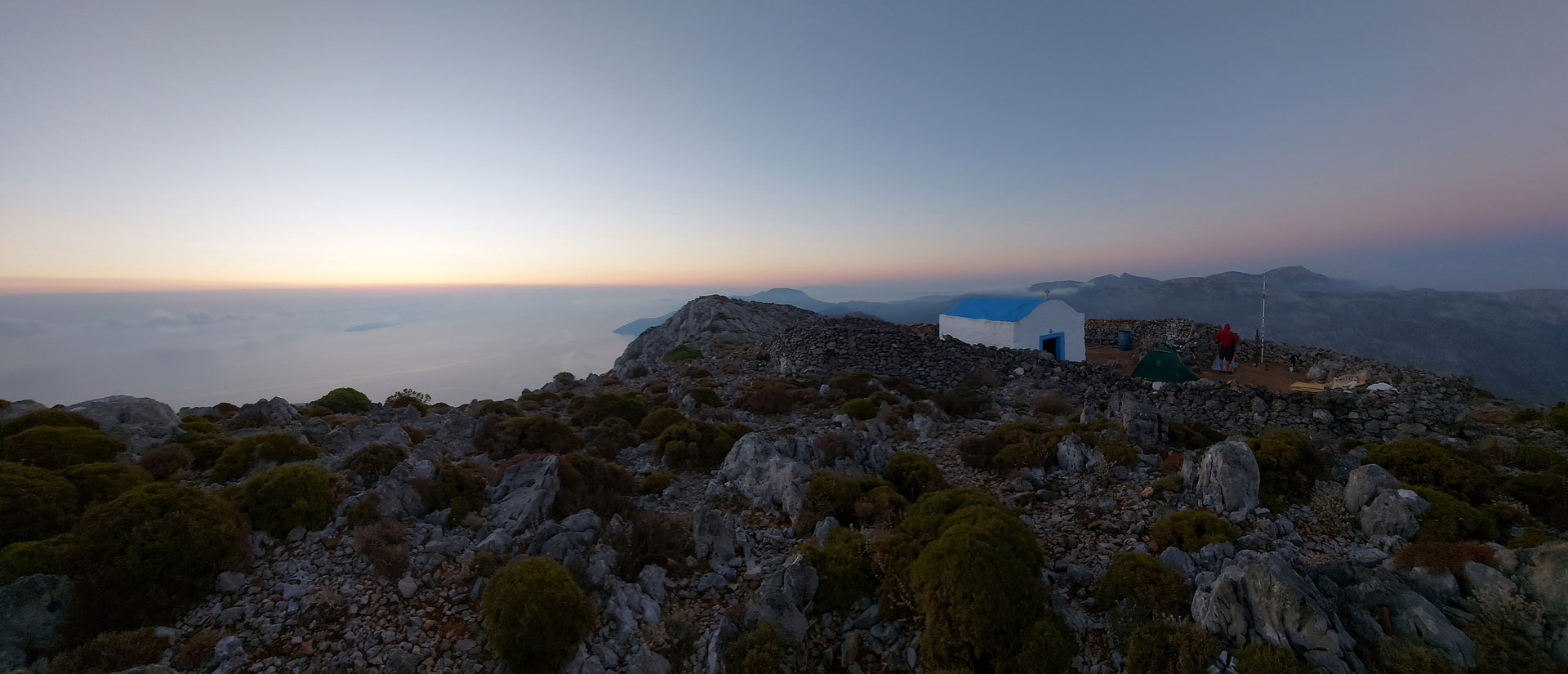
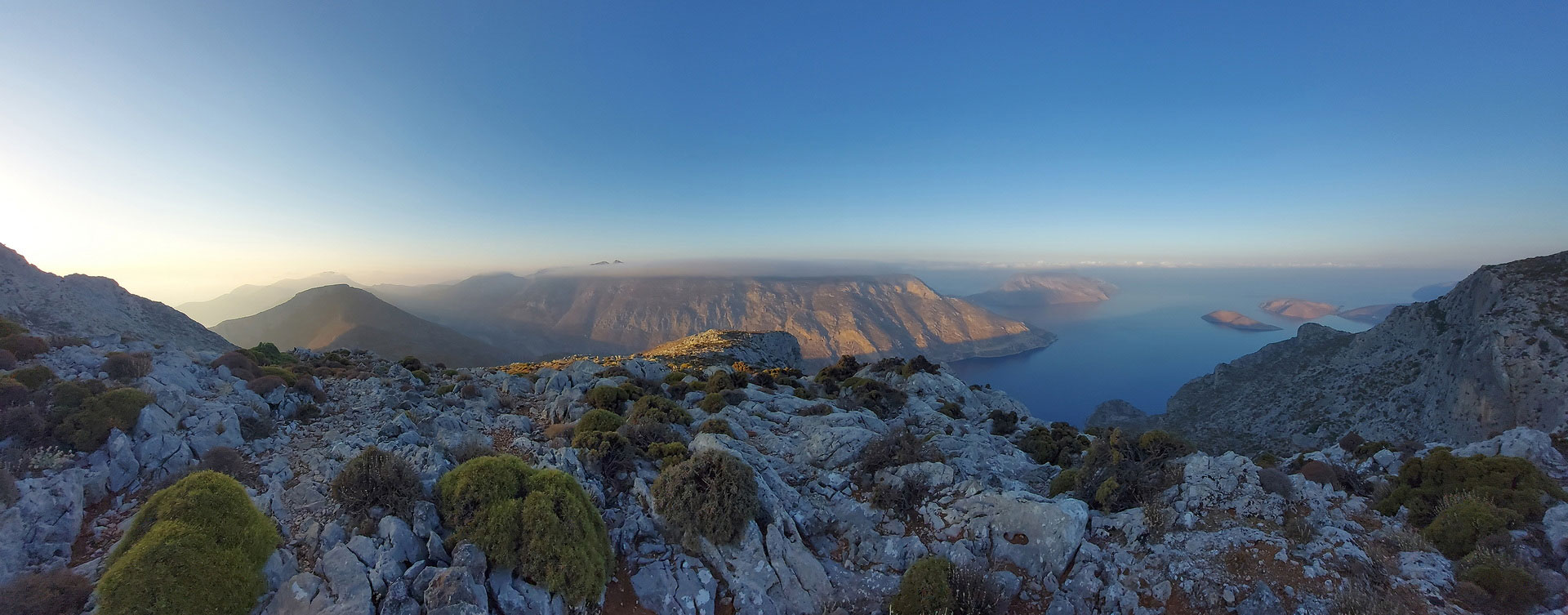
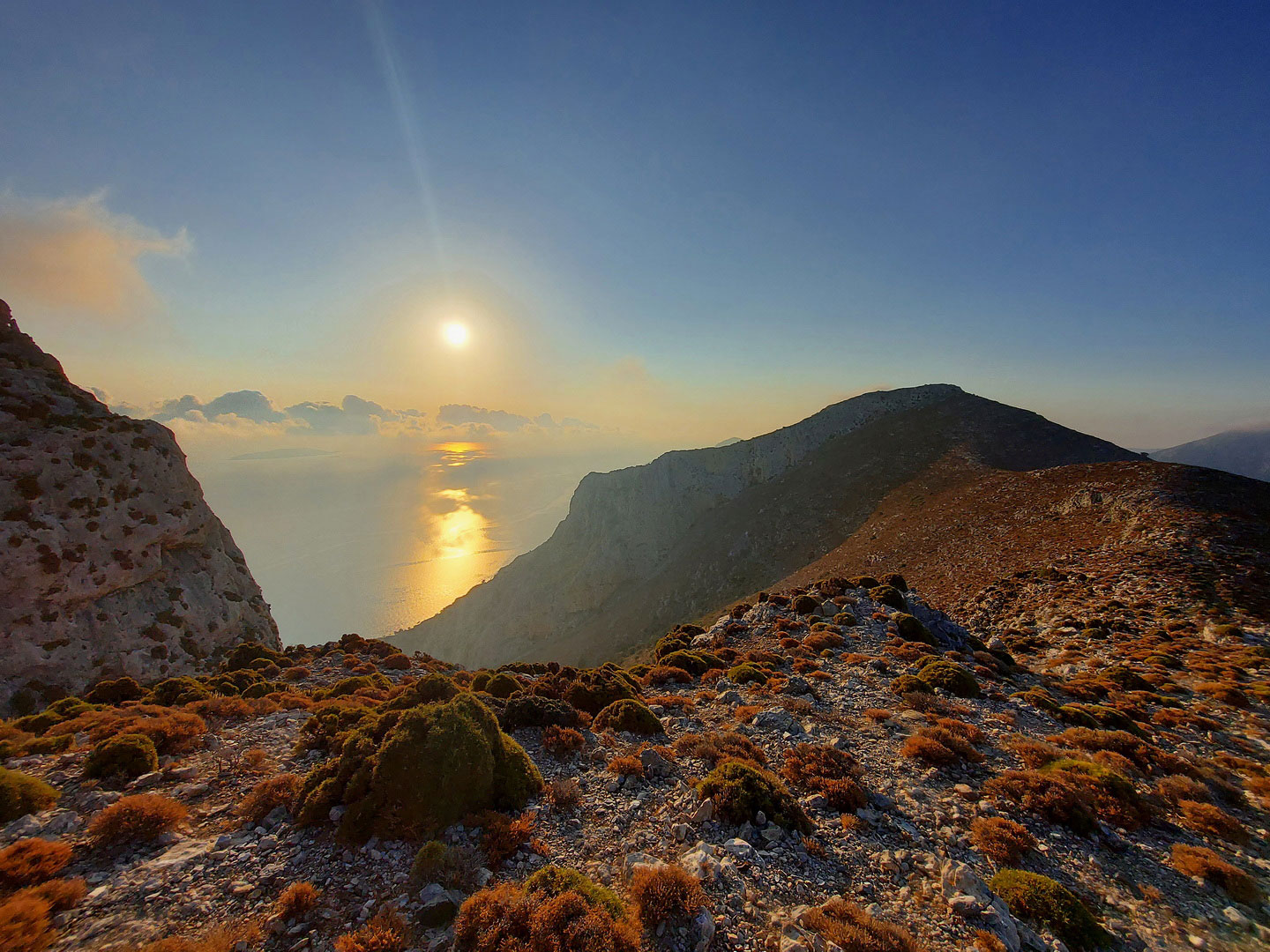
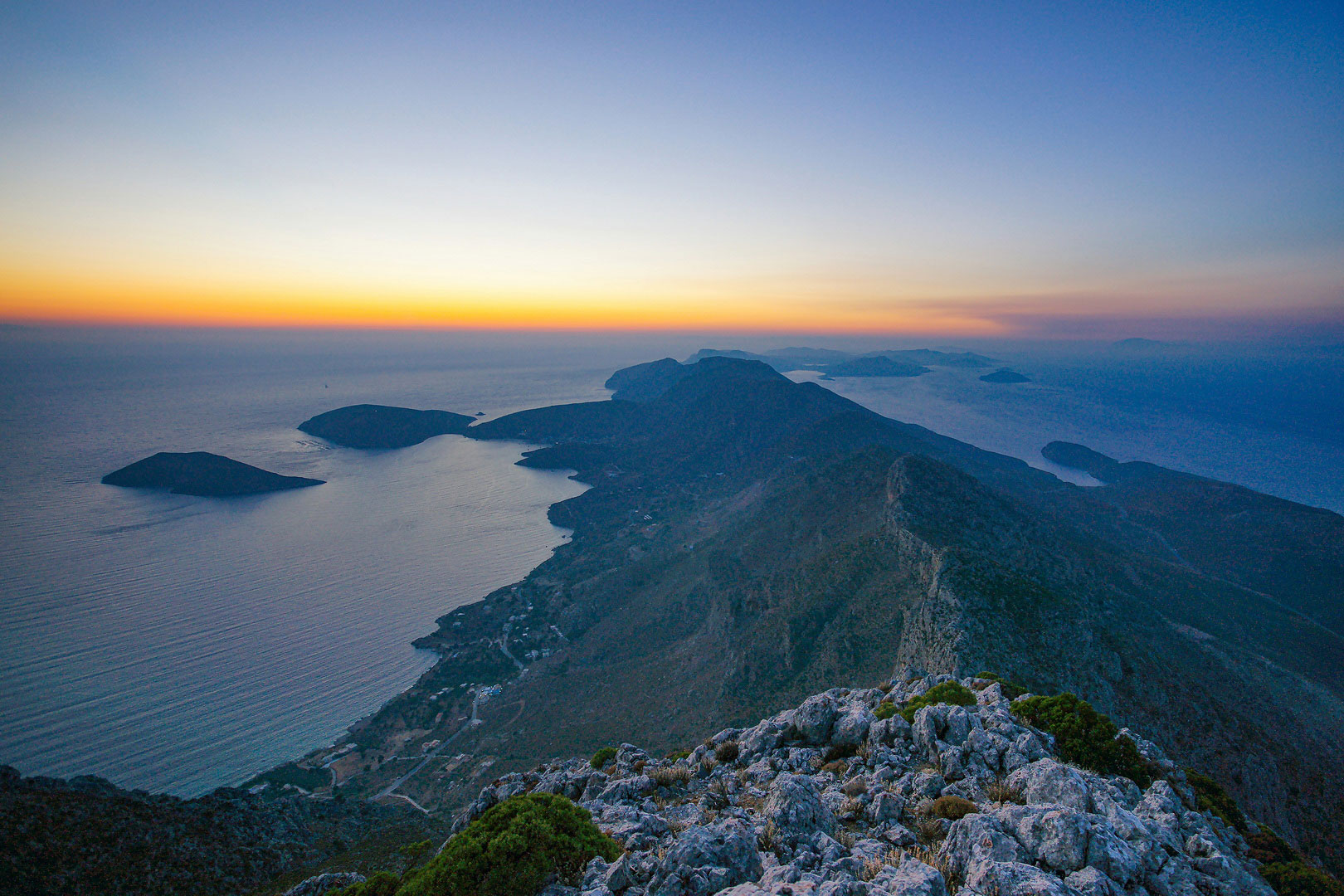
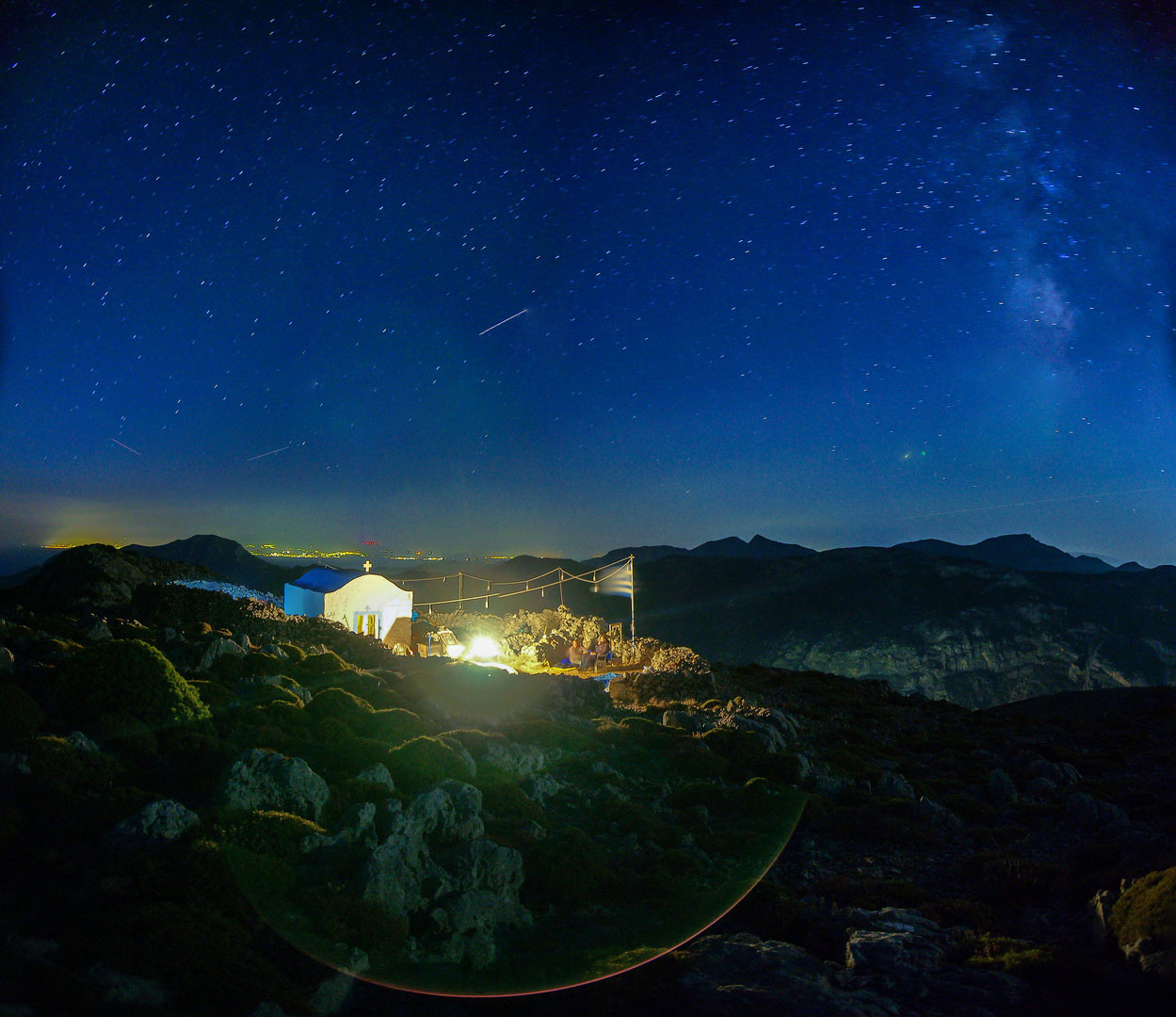
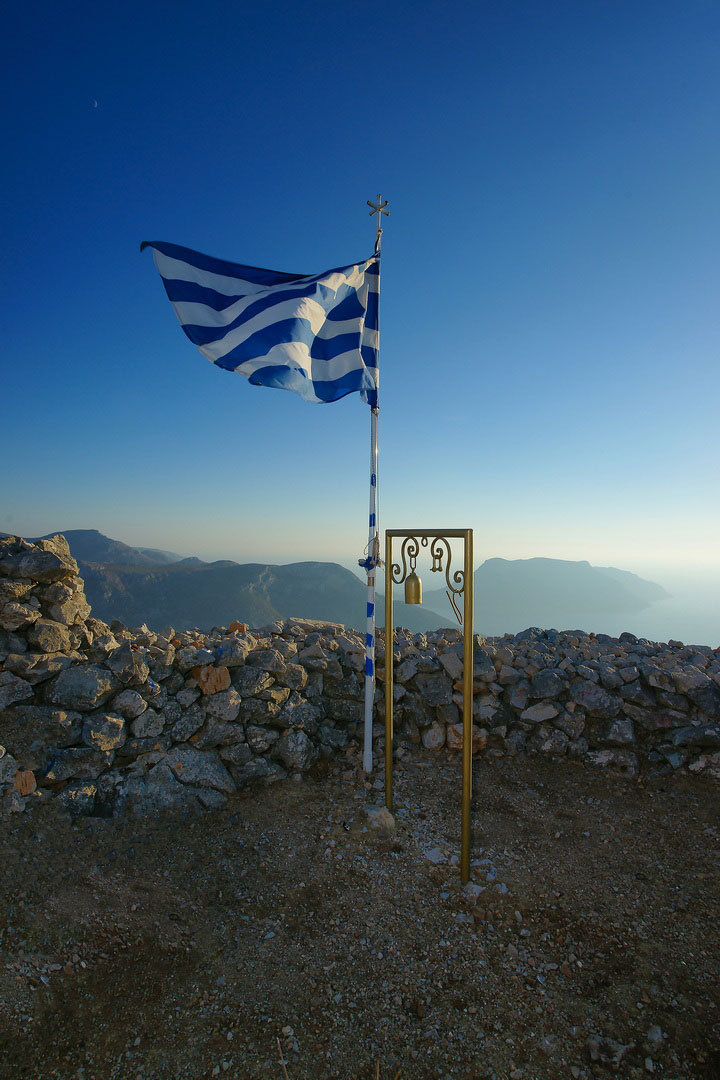
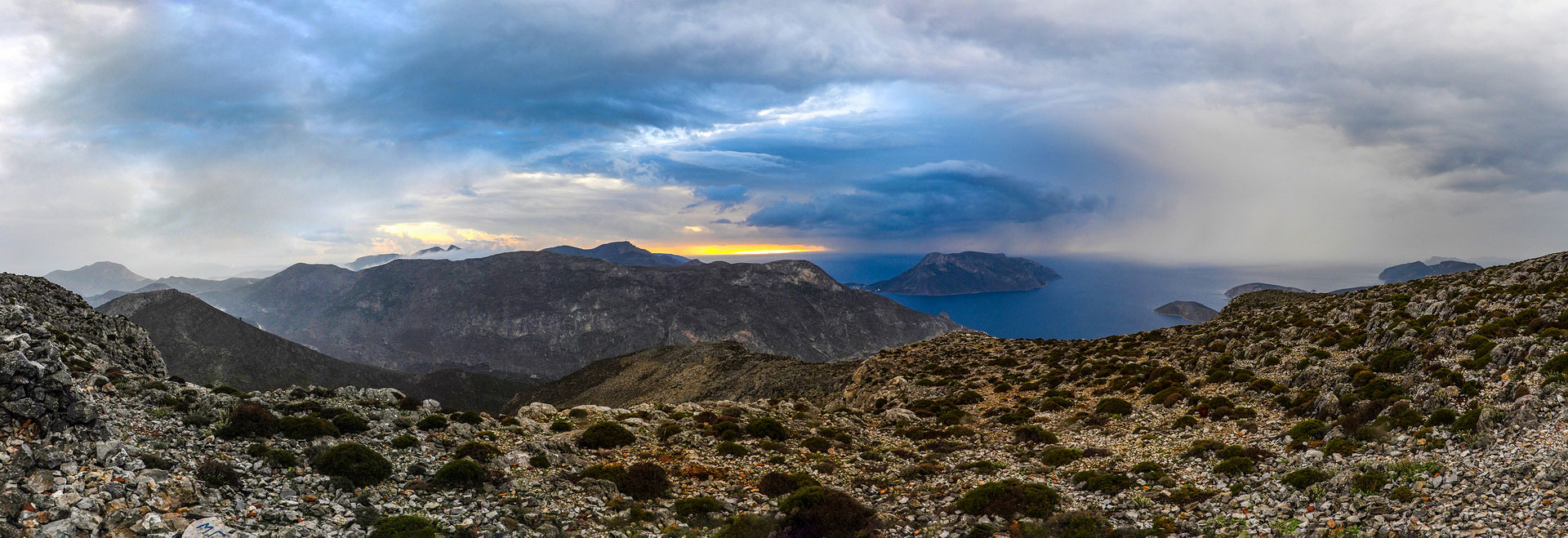
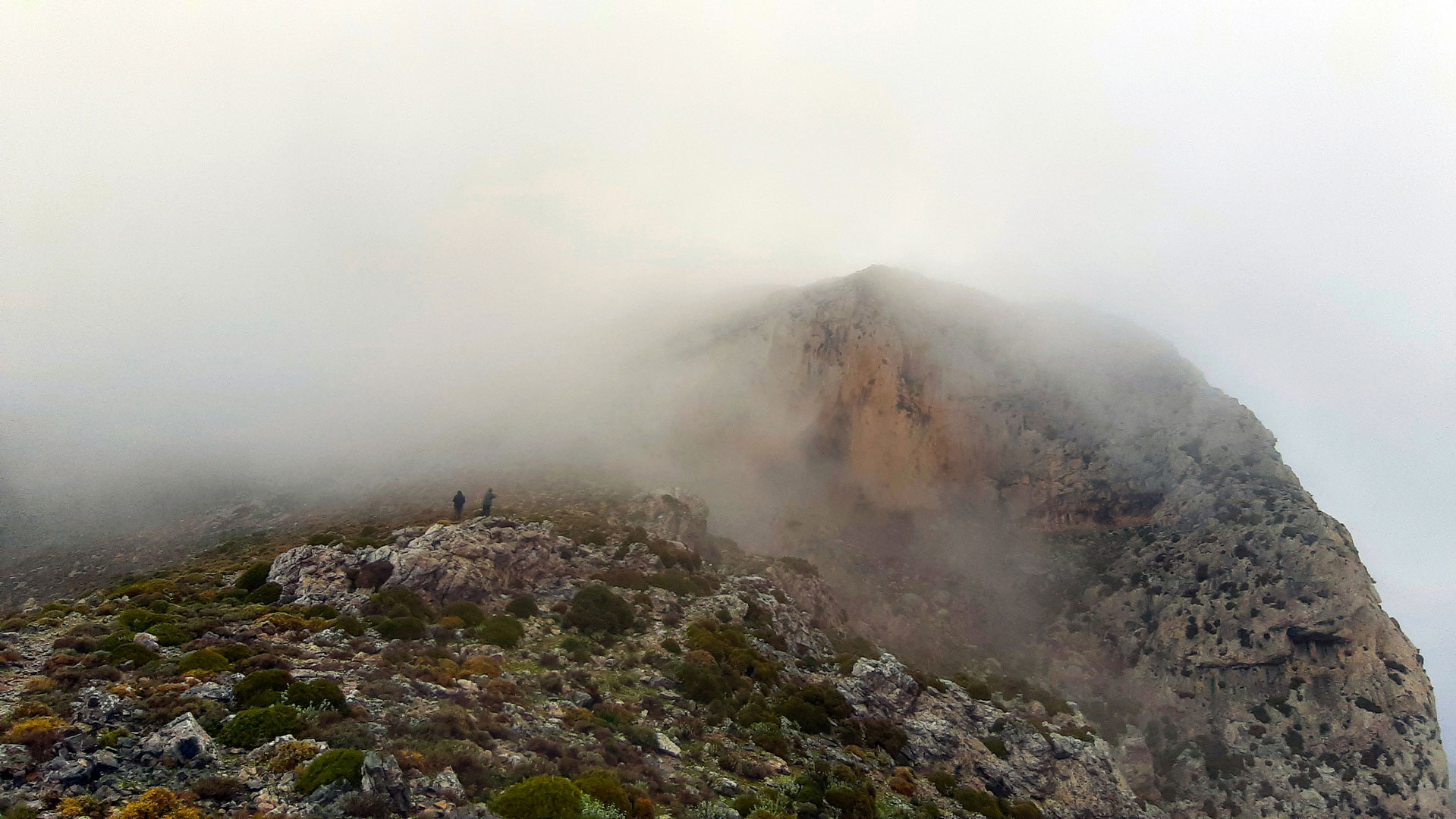
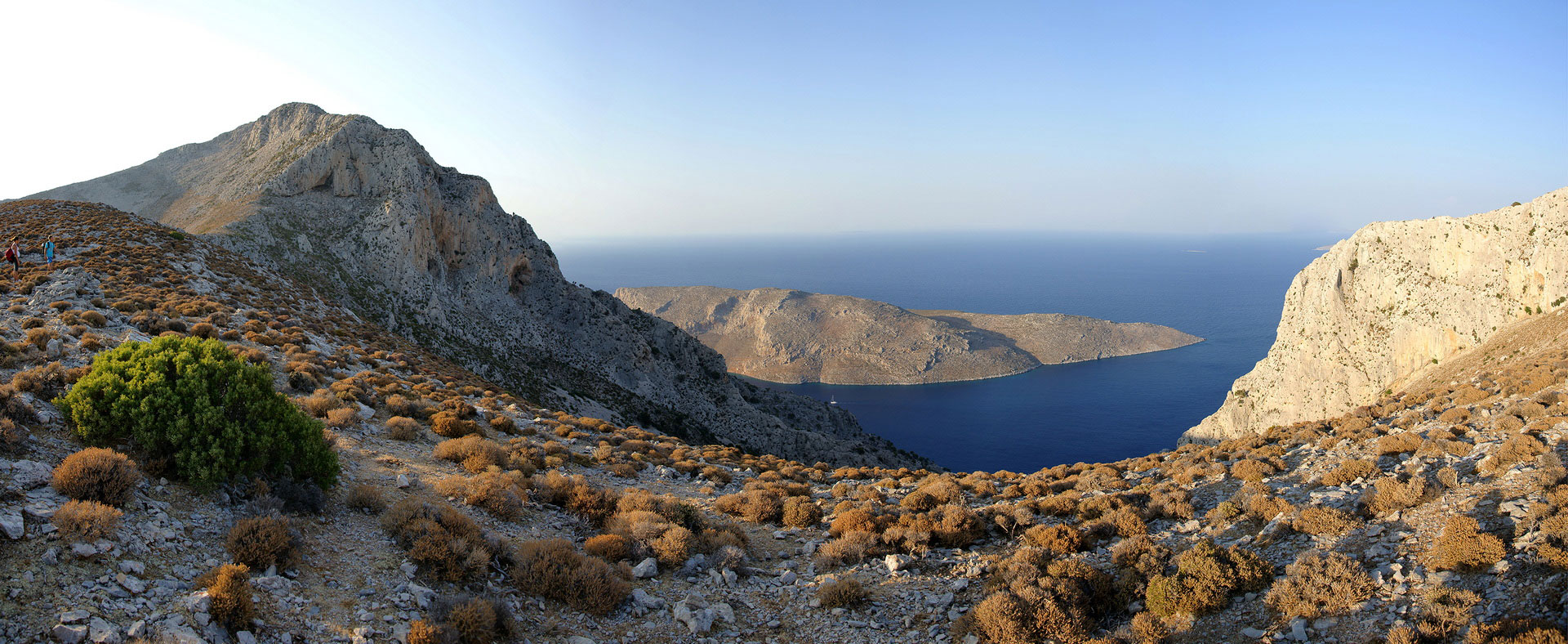
On the summit of Mount Galatiani, at an altitude of 589 meters, the remains of a fortified settlement from the Middle Byzantine period are preserved. This is an extremely inaccessible location, with access possible only through difficult paths from the settlements of Arginonta and Skalia. A wall, 1.60–2 meters thick, built of rough stone masonry and connecting lime mortar, surrounds the settlement from the southern and western sides, the only sides from which access is possible. To the north and east, the area is protected by high cliffs.
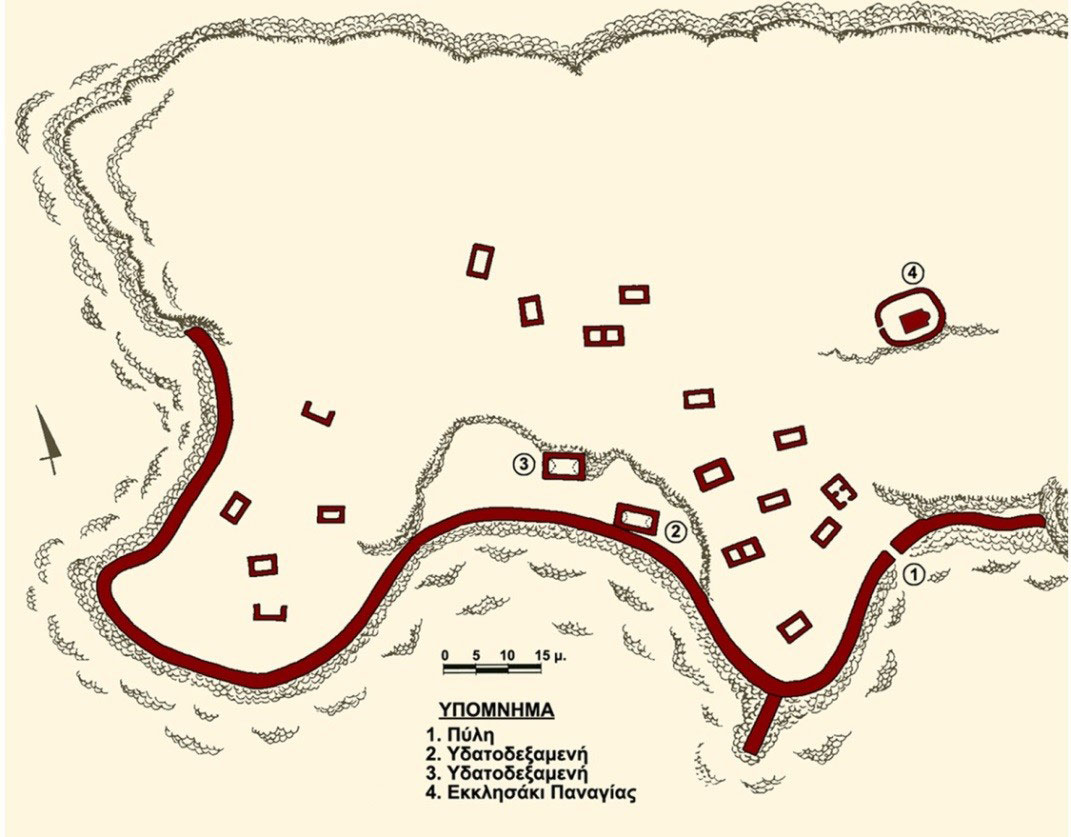
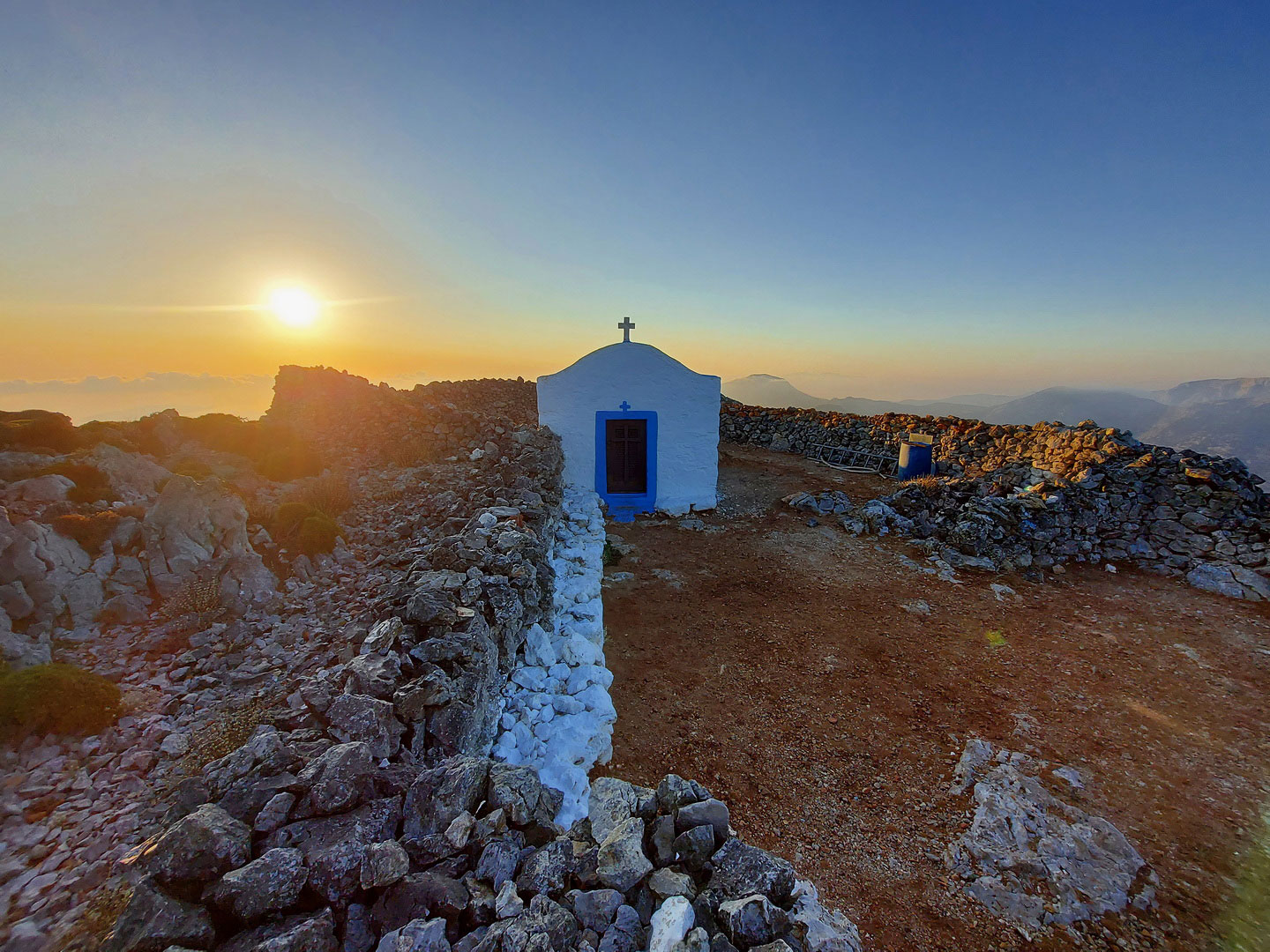
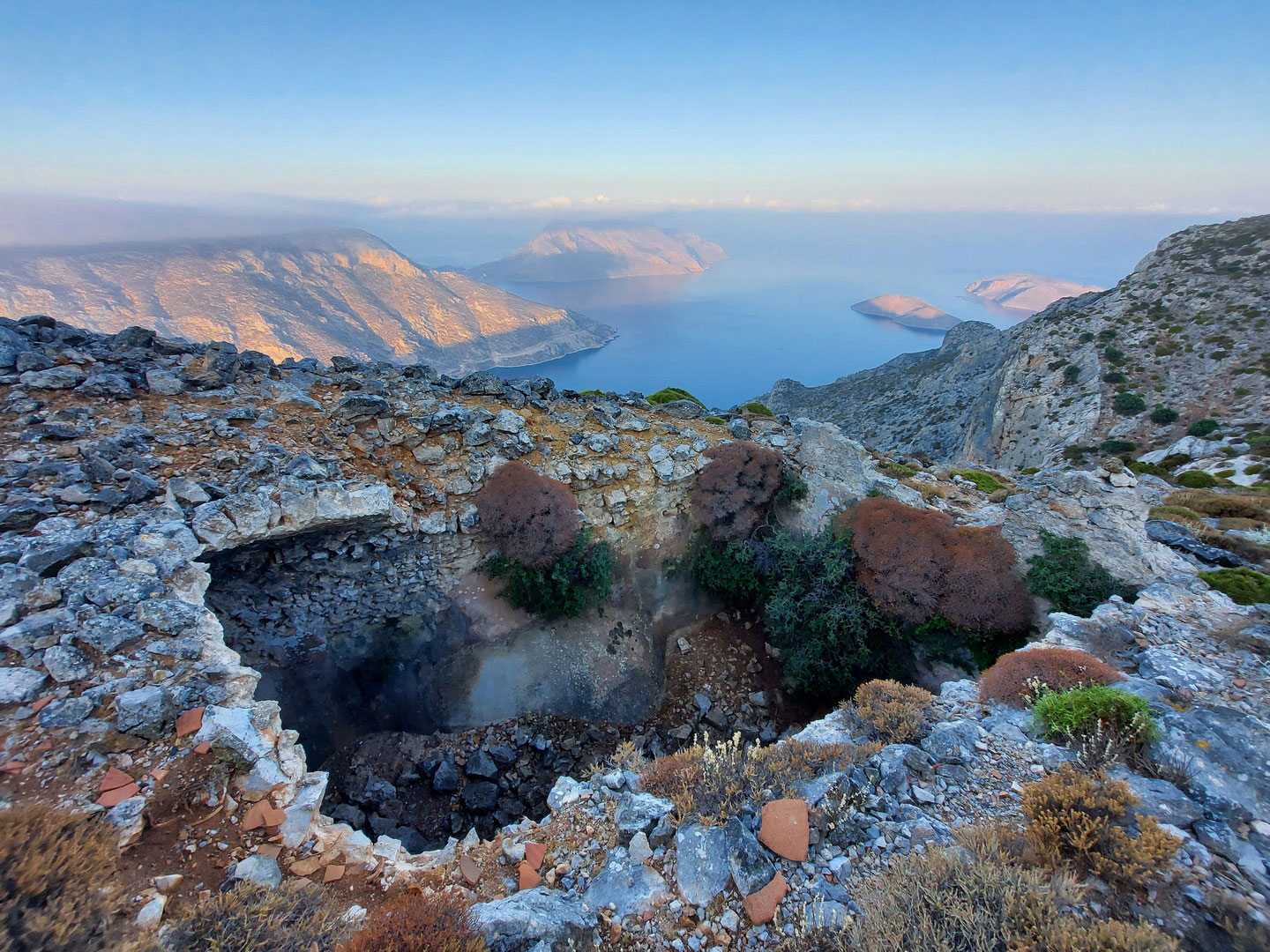
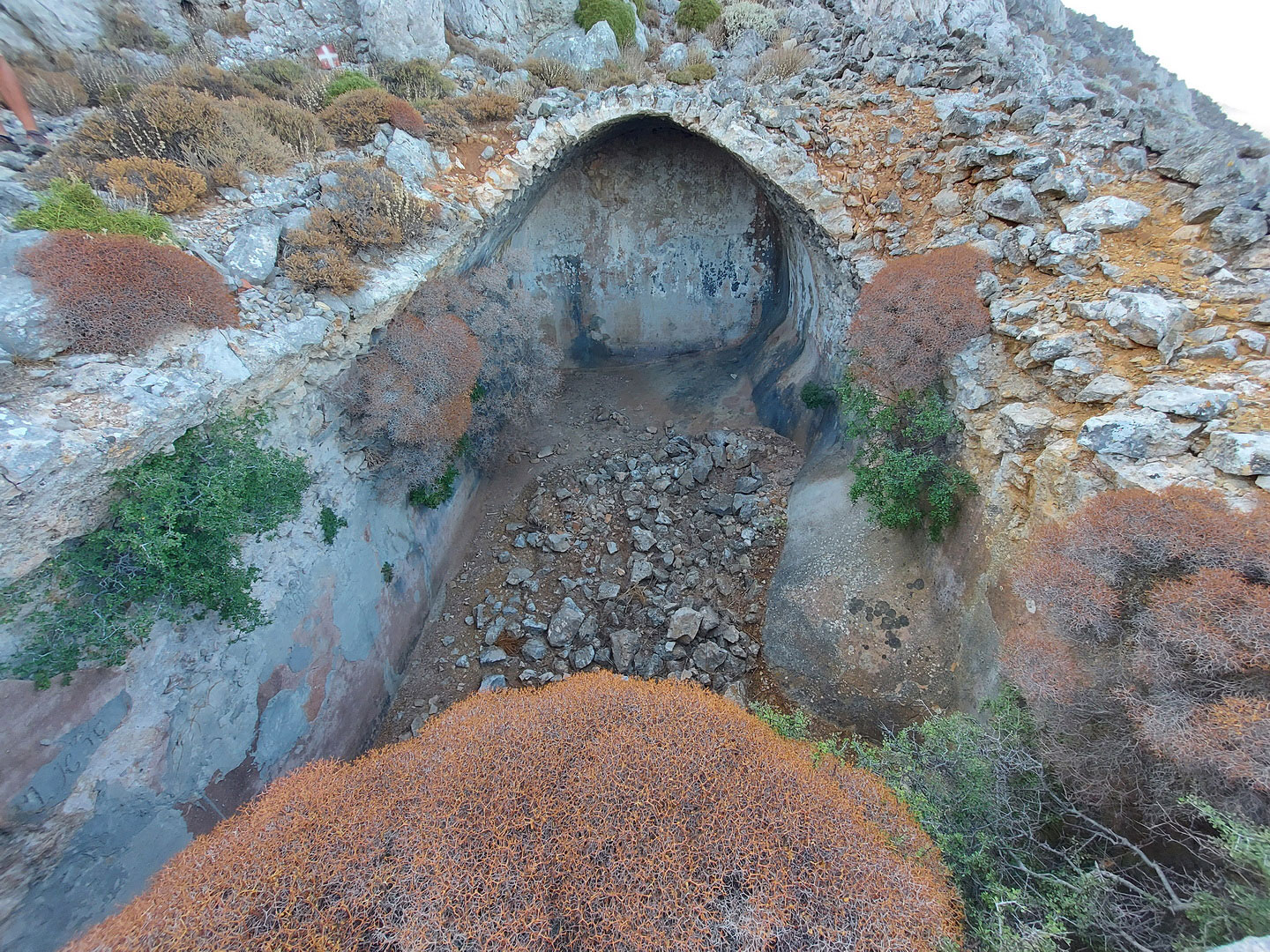
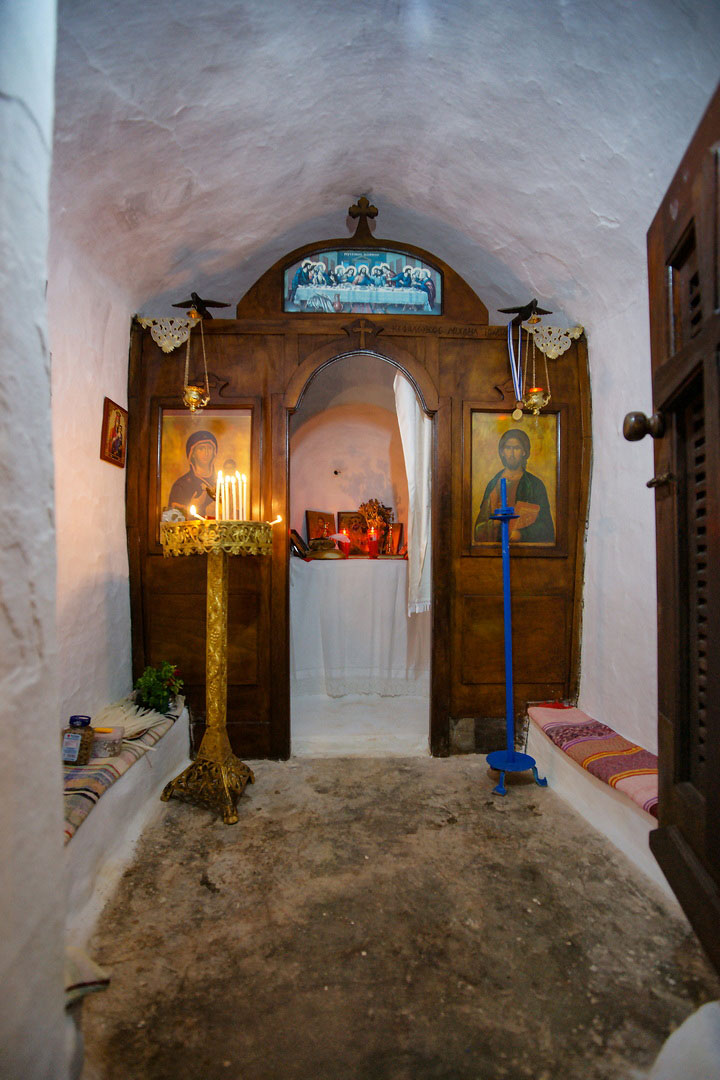
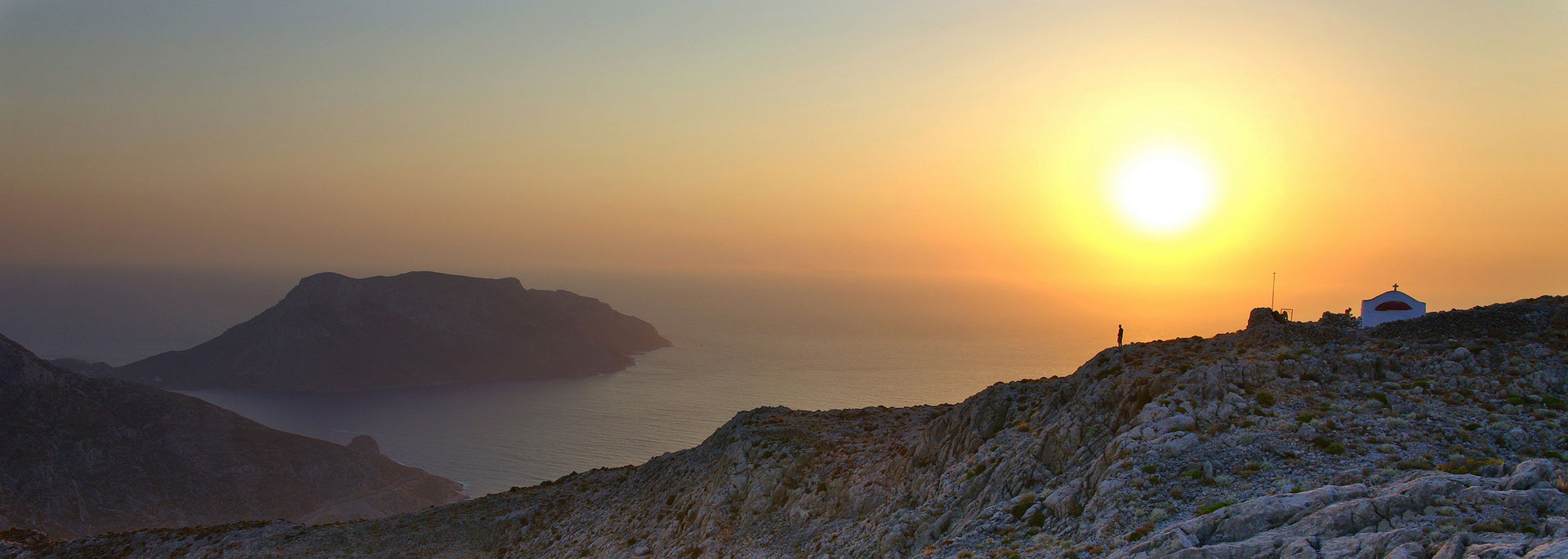
The houses of the settlement remain in foundation state. All of them have a rectangular plan. To the west of the gate, there are two large built vaulted water reservoirs. A short distance north of the entrance gate is the chapel of Panagia Galatiani.
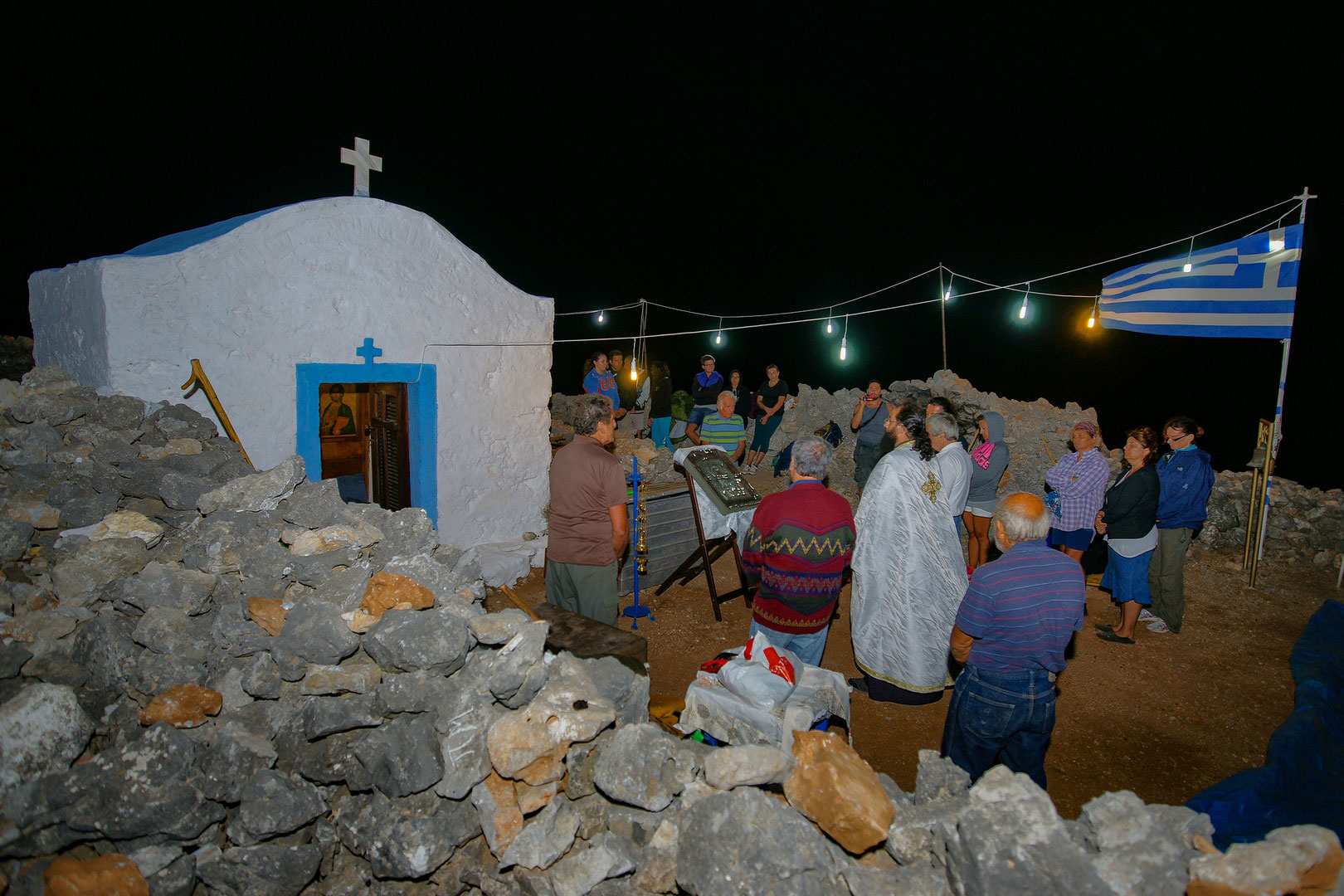
Every year, on the ninth day after the Dormition of the Virgin Mary, the icon of Panagia Galatiani is carried here from the Monastery of Galatiani in Arginonta, where it is kept, and Vespers and the morning Divine Liturgy are held.
According to tradition, the icon was discovered in the ravine near the chapel by a young shepherd from the area, which is why the chapel was built there. However, the absence of any other church in the area makes it highly probable that the chapel was built during the Middle Byzantine period, fell into ruin after the abandonment of the settlement, and was repaired in more recent times.
The fortified settlement of Galatiani was founded due to the naval raids of the Arabs, who systematically looted the Aegean islands in the mid-7th century CE. Life in the settlement continued until the 10th century. By the end of the 10th century, after the Byzantine victories over the Arabs, these inaccessible fortified settlements were abandoned, and the inhabitants of Kalymnos resettled in the coastal areas.